

Planning educational travel to Japan involves more than choosing famous destinations. Schools and institutions need to consider learning goals, student age, group size, transportation, accommodation, safety, budget, and the types of experiences that will provide real educational value.
This guide explains how educational travel in Japan works, which destinations are most suitable for different learning objectives, what school exchanges and hands-on activities can include, how much programs may cost, and what schools should prepare before the trip.
- What Is Educational Travel in Japan?
- Why Japan Is a Strong Destination for Educational Travel
- Best Destinations for Educational Travel in Japan
- School Exchanges and Hands-On Learning Experiences
- Sample Educational Travel Itineraries in Japan
- Planning a School Trip to Japan
- How Much Does Educational Travel to Japan Cost?
- Final Thoughts
- FAQ
What Is Educational Travel in Japan?
Educational travel in Japan is a school- or institution-organized trip designed around clear learning goals, rather than sightseeing alone.
Programs may include school exchanges, cultural workshops, language practice, historical study, company or university visits, and other hands-on learning experiences.
A well-planned educational trip combines travel with structured opportunities for students to understand Japanese culture, society, history, and everyday life while learning directly from the places and people they encounter.
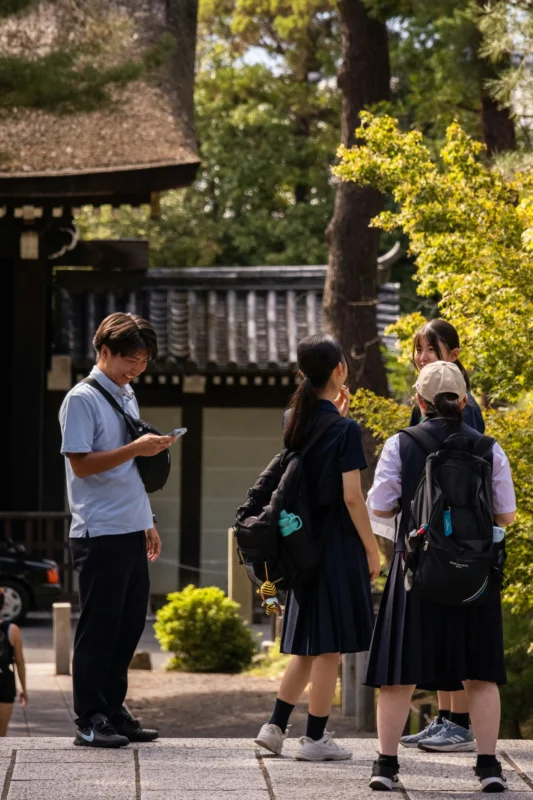
Why Japan Is a Strong Destination for Educational Travel
Japan is a strong destination for educational travel because students can explore history, culture, technology, language, and modern society within one trip.
Traditional temples and historic districts can be combined with science museums, universities, companies, and everyday interaction with local people.
Japan also offers opportunities for school exchanges and hands-on cultural learning, allowing students to connect classroom subjects with real places, communities, and experiences rather than learning only through textbooks.
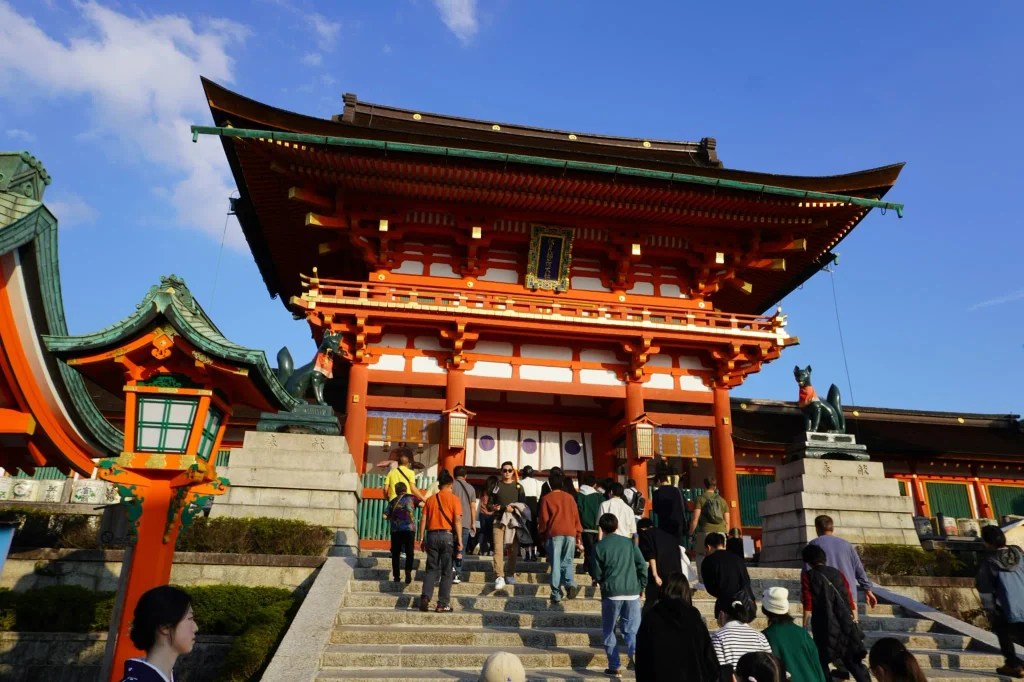
Best Destinations for Educational Travel in Japan
Japan offers several cities that work especially well for educational travel, but each is suited to different learning goals.
Tokyo is strong for modern society and technology, Kyoto for traditional culture and history, Hiroshima for peace education, and Osaka and Nara for a mix of local culture, history, and everyday life.
Tokyo
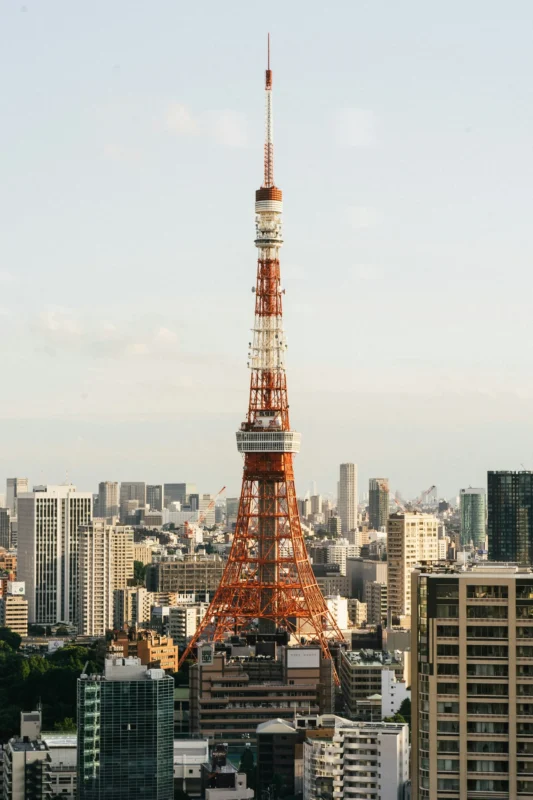
Tokyo is well suited to students interested in modern Japan, technology, business, urban life, and contemporary culture.
Educational visits can include museums, universities, company visits, and opportunities to observe how one of the world’s largest cities functions in daily life.
Kyoto
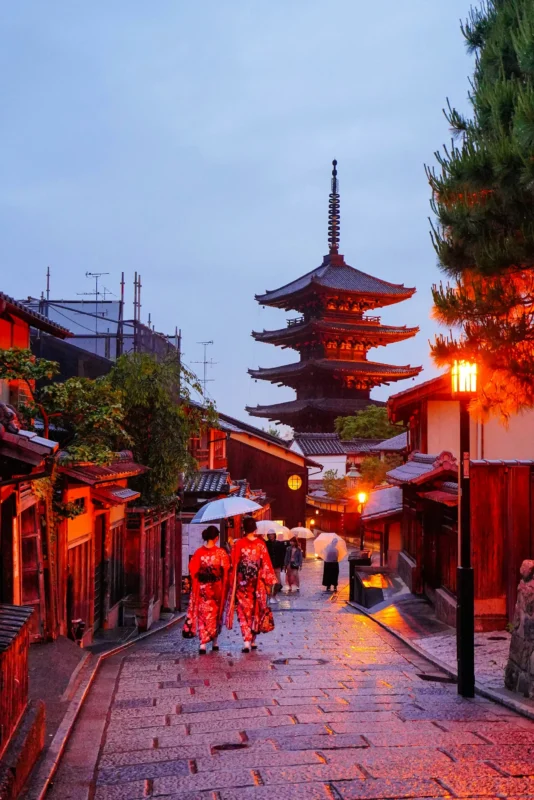
Kyoto is especially valuable for studying Japanese history, religion, architecture, and traditional culture.
Temples, shrines, historic districts, traditional crafts, and cultural activities give students opportunities to connect classroom learning with places that have shaped Japan for centuries.
Hiroshima

Hiroshima is an important destination for students studying modern history, peace, and international relations.
The city provides opportunities to learn about the atomic bombing, postwar recovery, and peace education through museums, memorial sites, and discussions connected to Hiroshima’s history.
Osaka and Nara
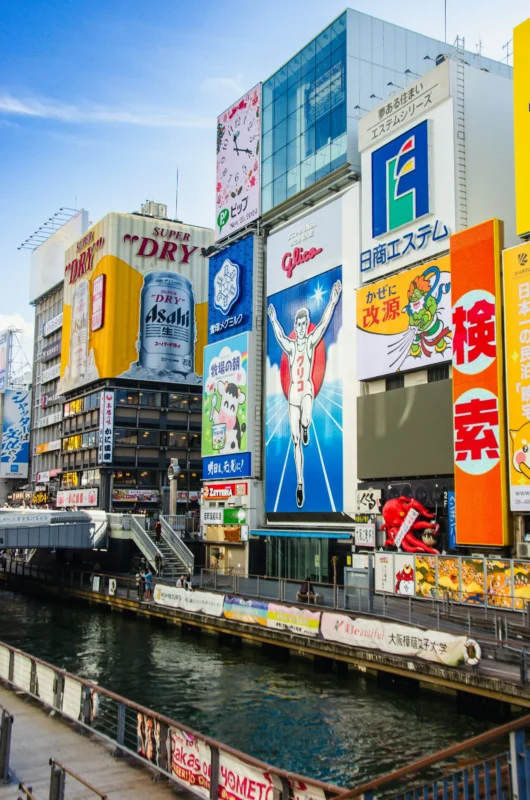
Osaka and Nara offer different but complementary learning experiences.
Osaka can help students explore local culture, food, business, and urban life, while Nara provides access to early Japanese history, Buddhism, historic temples, and some of the country’s oldest cultural heritage.
School Exchanges and Hands-On Learning Experiences
School exchanges and hands-on activities give students opportunities to learn through direct interaction in Japan.
Programs may include meeting Japanese students, joining cultural workshops, practicing Japanese, visiting universities or companies, and participating in local community activities.
These experiences help students connect classroom learning with real people and places. The best activities will depend on the students’ age, learning goals, group size, and the amount of time available during the trip.
Need help building an educational program around your students’ interests, learning goals, and schedule?
Sample Educational Travel Itineraries in Japan
Educational travel itineraries in Japan can vary depending on the group’s learning goals, age, and available time. Shorter programs may focus on one or two cities, while longer trips can include more destinations and a wider range of educational experiences.
5–7 Day Educational Trip
Day 1
Arrive in Tokyo and orientation
Day 2
Tokyo museums, technology, or urban studies
Day 3
School exchange or hands-on cultural activity
Day 4
Travel to Kyoto and explore traditional culture
Day 5
Temples, history, and cultural workshop
Day 6–7
Additional learning activities or departure
8–10 Day Multi-City Educational Trip
Tokyo
modern society, technology, and school exchange
Kyoto
history, religion, and traditional culture
Nara
early Japanese history and Buddhism
Hiroshima
peace education and modern history
Other area
Additional activities, reflection, or departure
Planning a School Trip to Japan
Planning a school trip to Japan requires early coordination of transportation, accommodation, safety, and student needs. Starting with the practical details early can make the itinerary easier to manage and reduce last-minute changes.
When to Start Planning
Schools should begin planning several months in advance, especially when arranging school exchanges. JNTO recommends starting major trip planning around six months before arrival, while school exchange coordination should generally begin at least three months ahead.
Transportation and Accommodation
Transportation and accommodation should match the group size and itinerary. Public transport can work well in major cities, while larger groups may need more structured arrangements. Hotels should be checked for location, room setup, and access to transportation.
Safety, Dietary and Accessibility Needs
Schools should confirm food allergies, dietary requirements, mobility needs, medical considerations, and supervision needs in advance. Sharing these details early helps avoid problems when choosing restaurants, activities, accommodation, and transportation.
How Much Does Educational Travel to Japan Cost?
The cost of educational travel to Japan varies depending on trip length, group size, flights, accommodation, transportation, and activities.
Publicly listed examples suggest that a 7–10 day educational trip can cost roughly ¥259,000 to ¥523,000 per student before international flights. Programs that include return international flights may cost around ¥565,000 per student or more.
| Example | Duration | Price per Student |
|---|---|---|
| Short school program | 7 days | ¥259,000–¥367,000 |
| Longer school program | 10 days | ¥368,000–¥523,000 |
| School trip including international flights | 9 days | Approx. ¥565,000 |
These figures are publicly listed examples rather than a market average. Actual costs can vary depending on the season, group size, destinations, accommodation level, transportation method, and the amount of educational support required.
Final Thoughts
A successful educational trip to Japan starts with clear learning goals, but practical planning is just as important.
From our experience guiding larger groups in Japan, meals and transportation need particular attention. Restaurants that work well for a few travelers may not be suitable for a large group, and moving everyone together on public transport can take more time than expected.
Building extra time into the schedule and planning group-friendly meal and transport options can make the trip much easier to manage.
Planning a school or student group trip to Japan? Tell us your dates, group size, student ages, destinations, and learning goals, and we’ll help you explore the options.
FAQ
eSIM Japan tips Matcha Nightlife onsen private tour solo trip travel buddy
Educational Travel Japan: School Trips & Student Tours

Hire a Japanese Translator in Japan: Cost, Interpreter Guide

Things to Do in Tokyo with Teens: 15 Ideas They’ll Love

Founder of Rental Japanese / Tokyo-based
Guided 500+ guests from more than 30 countries.
Specializes in customized private tours, local bar hopping, onsen experiences, and flexible Tokyo day trips with English support.
All information in this article is based on real on-the-ground guiding experience in Tokyo.