
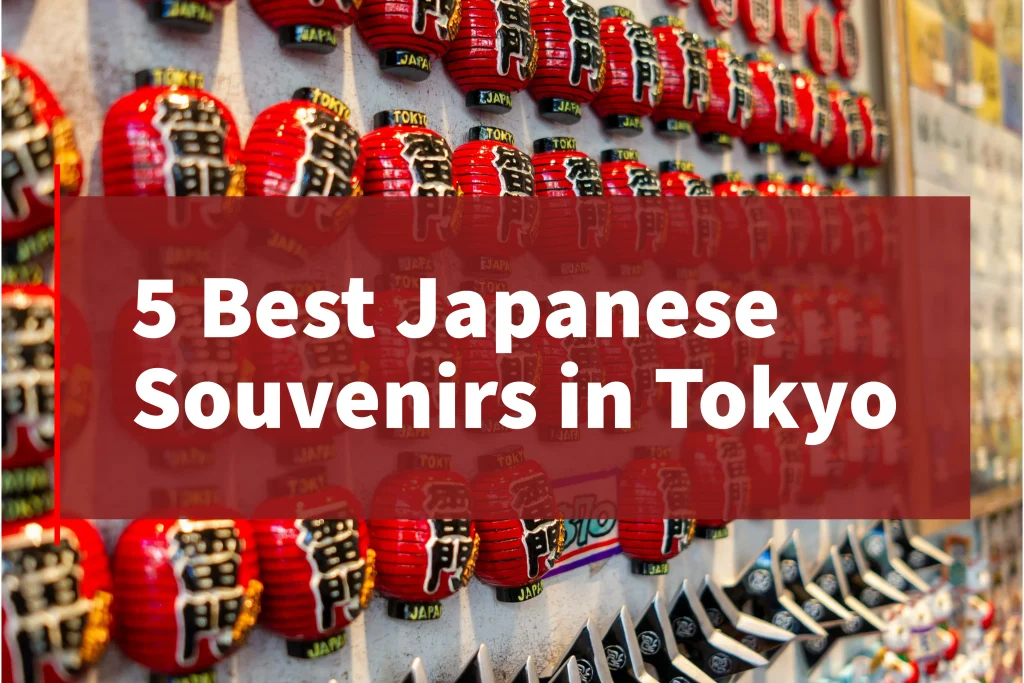
Looking for the best Japanese souvenirs in Tokyo? From traditional crafts to unique everyday items, Tokyo has plenty of gifts that capture the spirit of Japan.
But with so many options, it can be difficult to know what to buy and where to find something truly special.
We’ve selected five souvenir shops in Tokyo offering everything from traditional Japanese sweets and handcrafted glassware to practical gifts like tenugui towels and washi stationery.
Whether you’re shopping for friends, family, or yourself, these shops are worth adding to your Tokyo itinerary.
- 1. Funabashiya – Traditional Japanese Kuzumochi Sweets
- 2. Kamawanu – Japanese Tenugui Hand Towels
- 3. Ganso Shokuhin Sample-ya – Realistic Japanese Food Replicas
- 4. Haibara – Traditional Japanese Washi Paper and Stationery
- 5. Hanashyo – Handcrafted Edo Kiriko Glassware
- Where to Buy These Japanese Souvenirs in Tokyo
- Tips for Buying Japanese Souvenirs
- Frequently Asked Questions
- Final Thoughts
1. Funabashiya – Traditional Japanese Kuzumochi Sweets
Founded in 1805 near Kameido Tenjin Shrine, Funabashiya is a historic Japanese sweet shop famous for its kuzumochi, a traditional Tokyo specialty dating back to the Edo period.
Unlike regular mochi made from glutinous rice, Funabashiya’s kuzumochi is made from wheat starch naturally fermented with lactic acid bacteria for approximately 450 days. This unique process gives it a distinctive chewy texture and slightly tangy flavor.
Served with roasted soybean powder (kinako) and rich brown sugar syrup (kuromitsu), kuzumochi offers a taste of Tokyo’s traditional food culture. Despite its lengthy preparation, it has a shelf life of just two days, making it better suited for enjoying during your stay in Japan than taking home as an overseas souvenir.
| Information | Details |
|---|---|
| Address | 3-2-14 Kameido, Koto-ku, Tokyo |
| Opening Hours | 9:00 AM–6:00 PM |
| Official Website | Funabashiya |
2. Kamawanu – Japanese Tenugui Hand Towels
Founded in 1987 in Tokyo’s Daikanyama neighborhood, Kamawanu specializes in tenugui, traditional Japanese cotton cloths made using chusen, a hand-dyeing technique dating back to the Meiji period.
Unlike ordinary printed towels, these hand-dyed cloths develop a softer feel with use. Tenugui are remarkably versatile and can be used as hand towels, gift wrapping, kitchen cloths, or decorative wall hangings.
Kamawanu’s original Daikanyama store offers over 250 designs, including traditional Japanese patterns, seasonal motifs, and modern illustrations.
Lightweight, easy to pack, and practical for everyday use, tenugui make excellent Japanese souvenirs that combine traditional craftsmanship with modern design. The shop is just a three-minute walk from Daikanyama Station.
| Information | Details |
|---|---|
| Address | 23-1 Sarugakucho, Shibuya-ku, Tokyo |
| Opening Hours | 11:00 AM–7:00 PM (Sun until 6:00 PM) |
| Closed | Tuesdays |
| Official Website | Kamawanu |
3. Ganso Shokuhin Sample-ya – Realistic Japanese Food Replicas
Located in Tokyo’s Kappabashi district, Ganso Shokuhin Sample-ya specializes in realistic food replicas inspired by Japan’s restaurant display culture.
The company behind the brand, Iwasaki, has been producing food samples since 1932. Its artisans carefully recreate the textures and colors of real dishes, transforming traditional craftsmanship into playful souvenirs.
The shop sells handmade food replica keychains, magnets, bookmarks, and decorative items featuring Japanese dishes such as sushi and tempura.
Visitors can also join a hands-on workshop to make their own tempura and lettuce replicas using traditional wax techniques. Reservations are required, and English-language support is available for the workshop at the Kappabashi store.
These unique souvenirs offer a fun way to bring a piece of Japanese food culture home.
| Information | Details |
|---|---|
| Address | 3-7-6 Nishi-Asakusa, Taito-ku, Tokyo |
| Opening Hours | 10:00 AM–5:30 PM |
| Closed | New Year holidays |
| Official Website | Ganso Shokuhin Sample-ya |
4. Haibara – Traditional Japanese Washi Paper and Stationery
Founded in 1806, Haibara is a historic Japanese stationery shop in Tokyo’s Nihonbashi district, specializing in traditional washi paper.
The shop originally became famous for its high-quality gampi paper, prized during the Edo period for its smooth, silk-like texture and excellent writing surface.
Today, Haibara offers decorative chiyogami paper, letter sets, notebooks, and postcards featuring traditional Japanese designs. Some patterns were created by renowned Japanese artists, including Takehisa Yumeji and Kyosai Kawanabe.
Combining centuries-old craftsmanship with everyday practicality, Haibara’s stationery makes a thoughtful souvenir for anyone interested in Japanese art and design. Its lightweight paper products are also easy to pack and bring home.
| Information | Details |
|---|---|
| Address | 2-7-1 Nihonbashi, Chuo-ku, Tokyo (Tokyo Nihonbashi Tower) |
| Opening Hours | Mon–Fri: 10:00 AM–6:30 PM; Sat–Sun: 10:00 AM–5:30 PM |
| Closed | Public holidays and New Year holidays |
| Official Website | Haibara |
5. Hanashyo – Handcrafted Edo Kiriko Glassware
Founded in 1946 in Tokyo’s Kameido neighborhood, Hanashyo specializes in Edo Kiriko, traditional Japanese glassware decorated with intricate hand-cut patterns.
Its artisans handle everything from cutting to polishing in their own workshop. Hanashyo is particularly known for its original Kometsunagi pattern, featuring delicate, repeating rice-grain shapes.
In 2008, Hanashyo’s Kometsunagi wine glasses were presented to world leaders at the G8 Hokkaido Toyako Summit, highlighting the craftsmanship behind its designs.
The Kameido flagship store, located above the workshop, also features exclusive pieces unavailable at its Nihonbashi shop or online. For visitors seeking a special Japanese souvenir, Hanashyo offers beautifully crafted glassware with a distinctive connection to Tokyo’s artisan traditions.
| Information | Details |
|---|---|
| Address | 3-49-21 Kameido, Koto-ku, Tokyo (Shop on 3F) |
| Opening Hours | Tue–Sat: 1:00 PM–5:00 PM |
| Closed | Sundays and Mondays |
| Official Website | Hanashyo |
Where to Buy These Japanese Souvenirs in Tokyo
At RENTAL JAPANESE, we often meet international visitors who want to buy something distinctly Japanese but aren’t sure what to choose. That’s why we’ve selected these five specialty shops, each offering a different side of Japanese culture, from traditional sweets to handcrafted goods.
The shops are spread across Tokyo, so knowing where they’re located can help you plan your souvenir shopping more efficiently.
| Shop | Area | Nearest Station | Google Maps |
|---|---|---|---|
| Funabashiya | Kameido | Kameido Station (10 min walk) | Directions |
| Kamawanu | Daikanyama | Daikanyama Station (3 min walk) | Directions |
| Ganso Shokuhin Sample-ya | Kappabashi | Asakusa Station, Tsukuba Express (5 min walk) | Directions |
| Haibara | Nihonbashi | Nihonbashi Station (B6 Exit) | Directions |
| Hanashyo | Kameido | Kameido Station (12 min walk) | Directions |
Funabashiya and Hanashyo are both located in Kameido, making them convenient to visit on the same outing. You can explore traditional Japanese sweets and Edo Kiriko glassware in one area. Be sure to check each shop’s opening hours before visiting.
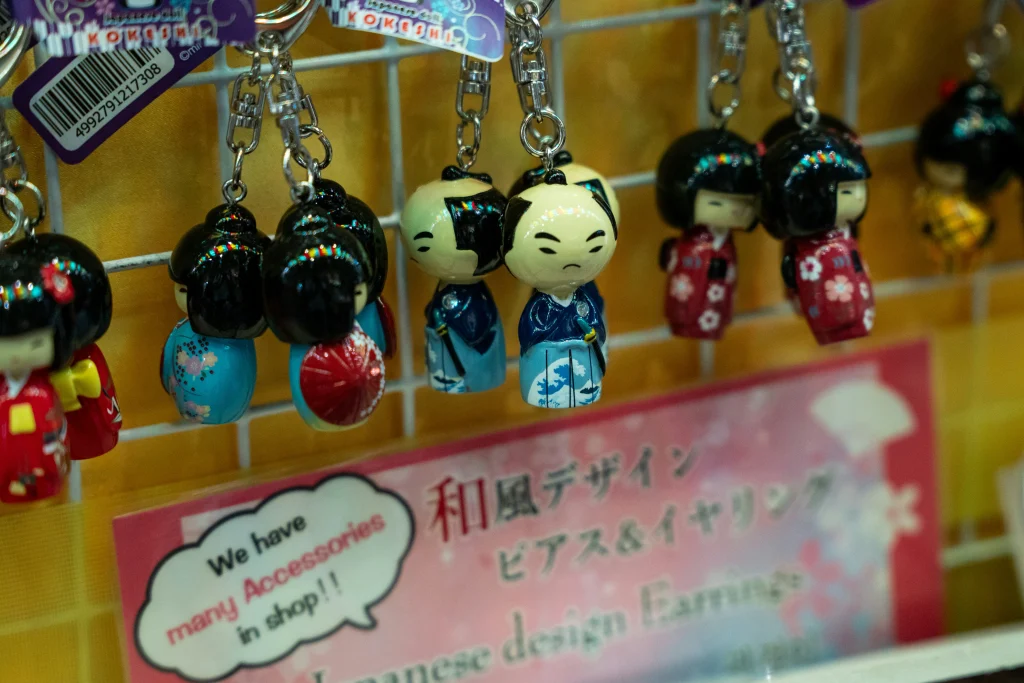
Tips for Buying Japanese Souvenirs
Before buying souvenirs in Tokyo, think about how you’ll bring them home. Here are a few practical things to check, especially if you’re traveling internationally.
Choosing Souvenirs That Are Easy to Bring Home
When shopping for Japanese souvenirs, consider their size, weight, and durability, especially if you have limited luggage space.
Tenugui towels from Kamawanu and washi stationery from Haibara are lightweight and easy to pack. Miniature food replicas from Ganso Shokuhin Sample-ya are another practical option.
If you’re buying delicate Edo Kiriko glassware from Hanashyo, ask the shop for protective packaging and keep it securely packed during your journey. Checking these details before purchasing can help prevent damage on your way home.
Bringing Japanese Food Souvenirs Overseas
Not all Japanese food souvenirs are suitable for international travel. Before purchasing, check the expiration date, storage requirements, and import regulations of your destination country.
Traditional sweets such as Funabashiya’s kuzumochi have a short shelf life, making them better suited for enjoying during your stay in Japan.
Some countries restrict certain food products or require travelers to declare them upon arrival. Always check your country’s official customs website before packing food souvenirs, even if the products are commercially packaged.
Frequently Asked Questions
Final Thoughts
Tokyo has plenty of souvenir shops, but the best gifts are often those that are both practical and distinctly Japanese.
At RENTAL JAPANESE, we accompany international visitors around Tokyo and help them discover local culture based on their interests. From our perspective as local guides, we recommend choosing souvenirs that people can actually use while still reminding them of Japan.
Kamawanu’s tenugui towels and Haibara’s washi stationery are great examples. They’re lightweight, practical, and reflect Japanese traditions. For something more special, Hanashyo’s handcrafted Edo Kiriko glassware makes a memorable gift.
You don’t need to spend a lot to find a meaningful souvenir. Look for something that reflects Japanese culture, suits the recipient’s interests, and can be enjoyed long after the trip ends.
5 Best Japanese Souvenirs in Tokyo: Unique Gifts to Buy

5 Best Cultural Experiences in Asakusa, Tokyo

Is Tokyo Safe for Solo Female Travellers? Areas to Avoid & Tips

Founder of Rental Japanese / Tokyo-based
Guided 500+ guests from more than 30 countries.
Specializes in customized private tours, local bar hopping, onsen experiences, and flexible Tokyo day trips with English support.
All information in this article is based on real on-the-ground guiding experience in Tokyo.