
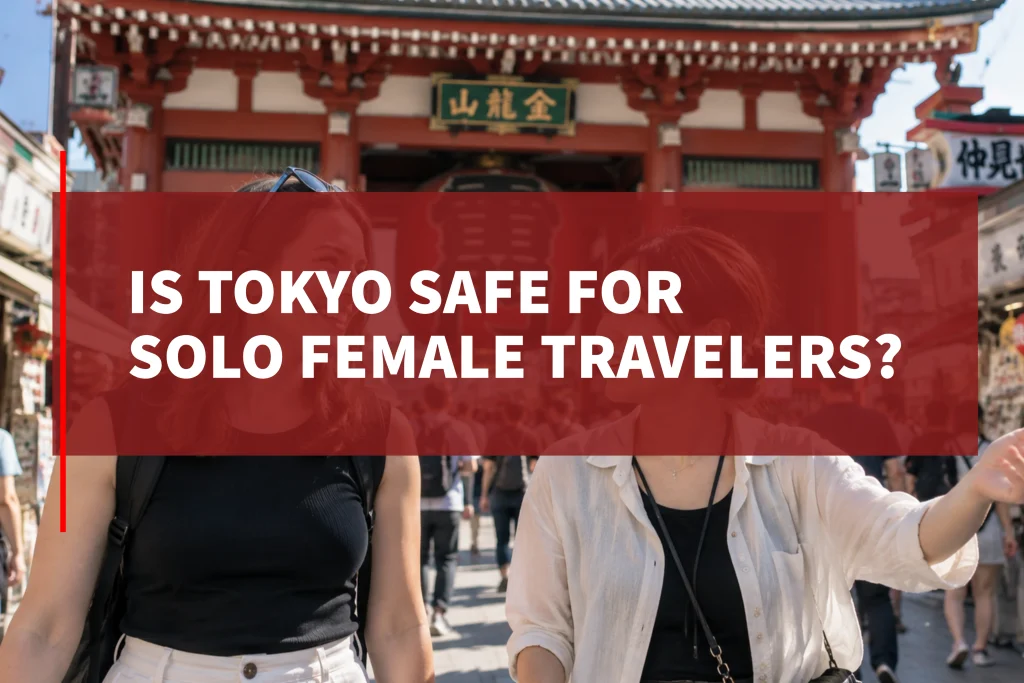
Is Tokyo safe for solo female travellers? Yes, Tokyo is generally a safe city to explore alone. However, walking at night, using public transportation, and visiting unfamiliar places can still raise concerns.
As local Japanese guides, we understand the challenges solo travellers face. In this guide, we’ll share practical safety tips, areas to be cautious in, and advice to help you explore Tokyo with confidence.
- Is Tokyo Safe for Women Travelling Alone?
- Are There Any Areas Solo Female Travellers Should Avoid in Tokyo?
- Is It Safe to Walk Alone in Tokyo at Night as a Woman?
- Is Public Transportation Safe for Women Travelling Alone in Tokyo?
- Where Should Solo Female Travellers Stay in Tokyo?
- Practical Safety Tips for Women Travelling Alone in Tokyo
- What Should You Do If You Feel Unsafe or Need Help in Tokyo?
- How to Enjoy Tokyo Solo Without Feeling Unsafe or Isolated
- Final Thoughts
- Frequently Asked Questions
Is Tokyo Safe for Women Travelling Alone?
Yes, Tokyo is generally a safe destination for women travelling alone, including first-time visitors. Japan has a low crime rate, and the U.S. Department of State classifies the country as Level 1, meaning travellers should exercise normal precautions.
However, being safe doesn’t mean being risk-free. Sexual harassment on crowded trains, nightlife scams, and unwanted attention can still occur.
From our experience guiding international visitors in Tokyo, we recommend distinguishing between everyday sightseeing and nightlife areas, where different precautions may be needed. Most solo female travellers can explore Tokyo independently while taking sensible precautions.
Are There Any Areas Solo Female Travellers Should Avoid in Tokyo?
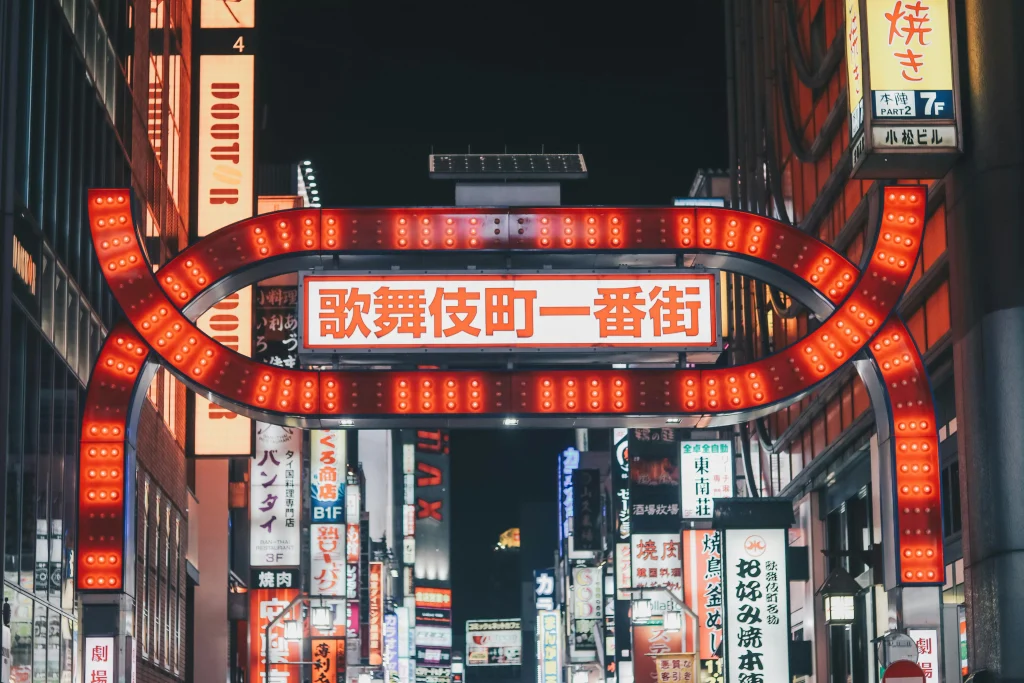
Tokyo has no major tourist districts that women need to avoid entirely. However, extra caution is recommended in nightlife areas such as Kabukicho, Roppongi, and Shibuya, particularly after dark. Tokyo’s Metropolitan Police Department warns that street touts may lead visitors into bars that impose excessive charges or misuse credit cards.
Kabukicho in Shinjuku
Kabukicho is famous for its restaurants, bars, and nightlife, but street touts frequently approach visitors. Some touts approach international visitors in English, making their invitations seem more familiar.
From our experience guiding visitors around Shinjuku, our advice is simple: don’t engage with street touts or follow them into bars. Choose your own venues and check reviews beforehand to avoid unexpected charges.
Roppongi
Roppongi is popular for its international bars and clubs, but authorities have reported drink spiking and fraudulent charges targeting visitors. Check venue reviews and prices beforehand, and avoid accepting drinks or invitations from strangers.
Shibuya at Night
Shibuya is a popular nightlife destination, especially around Center Gai and its nearby clubs. However, be cautious of street touts and unwanted attention, particularly late at night.
Even inside popular nightclubs, stay aware of your surroundings, keep an eye on your drinks and belongings, and be cautious of strangers approaching you. Being in a well-known club doesn’t automatically guarantee your safety.
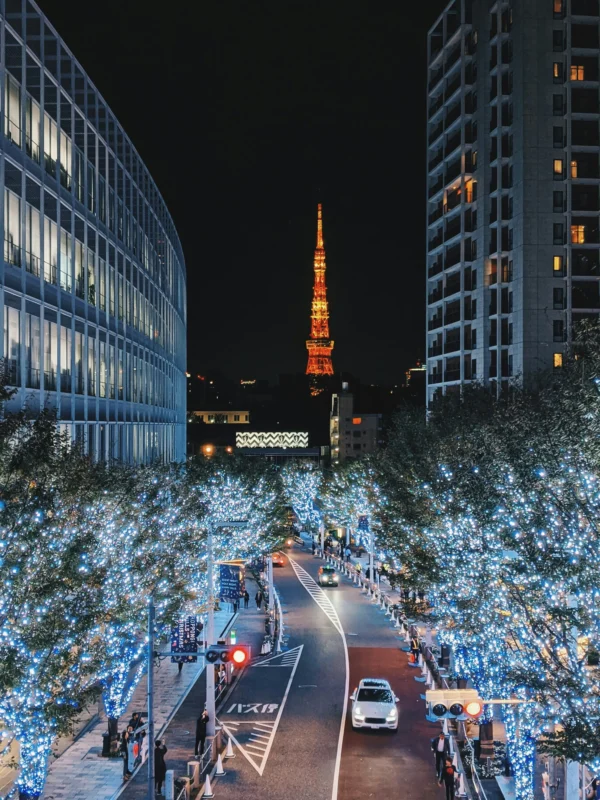
Is It Safe to Walk Alone in Tokyo at Night as a Woman?
Yes, walking alone in Tokyo at night is generally safe for women, but some areas require extra caution.
From our experience guiding visitors through Shinjuku’s nightlife, we recommend being particularly careful in Kabukicho, especially around small bars tucked away in narrow backstreets. Even in busy entertainment districts, some streets can become surprisingly quiet at night.
Stick to well-lit, busier streets, and if you feel uncomfortable, consider taking a taxi back to your hotel.
Is Public Transportation Safe for Women Travelling Alone in Tokyo?
Yes, Tokyo’s trains and subways are generally safe and convenient for solo female travellers, even if you don’t speak Japanese. However, sexual harassment, known as chikan (groping), can occur, particularly on crowded trains.
Many train lines offer women-only carriages during designated hours, usually on weekday mornings. Look for signs on station platforms, as operating times vary by line. If someone harasses you, move away and alert a station attendant.
For a more comfortable journey, consider avoiding the morning rush hour, typically between 7:30 and 9:30 a.m.
Want to explore Tokyo but not sure where to start?
Enjoy local restaurants, hidden spots, and nightlife with a friendly Japanese companion. Just a few hours, tailored to you.
Where Should Solo Female Travellers Stay in Tokyo?
As local Japanese guides, we recommend Ginza, Kuramae, Akasaka, and Kagurazaka for solo female travellers.
- Ginza is an upscale district with a relatively calm atmosphere at night, making it a good choice for those who prefer a more relaxed stay.
- Kuramae is popular among women for its peaceful neighbourhood feel, stylish cafés, and relaxed atmosphere.
- Akasaka offers upscale hotels, excellent dining options, and convenient access to central Tokyo.
- Kagurazaka is a charming residential neighbourhood, popular among locals for its traditional streets and quieter atmosphere.
Wherever you stay, we recommend choosing a hotel near a station with a well-lit route back at night.
Practical Safety Tips for Women Travelling Alone in Tokyo
A few simple precautions can make solo travel in Tokyo more comfortable and stress-free.
- Stay connected: Use an eSIM or pocket Wi-Fi so you can access maps, translations, and transport information.
- Keep your belongings secure: Use a zipped bag and keep valuables close, especially on crowded trains.
- Protect your privacy: Avoid sharing your hotel location or telling strangers you’re travelling alone.
- Be cautious when drinking: Never leave drinks unattended or accept invitations from street promoters.
- Plan ahead: Save your hotel’s address in Japanese and check the last train before going out.
These small habits can help you explore Tokyo independently with greater confidence.
What Should You Do If You Feel Unsafe or Need Help in Tokyo?
If you feel unsafe in Tokyo, head to a staffed shop, train station, or nearby police box (koban) and ask for help. Tokyo’s police can assist foreign visitors, even if they don’t speak Japanese. In an emergency, call 110 rather than trying to handle the situation alone.
Emergency Contacts in Tokyo
Save these numbers before your trip:
- 110 – Police: Crimes and immediate danger.
- 119 – Ambulance or Fire: Medical emergencies and fires.
- #9110 – Police Consultation: Non-emergency concerns.
- 050-3816-2787 – JNTO Visitor Hotline: Free multilingual assistance by phone, available 24/7 (standard calling charges may apply).
What to Do If You’re Being Followed or Harassed
Don’t confront the person or head directly to your hotel. Move toward a busy, staffed location and ask for assistance. If you’re in immediate danger, call 110.
If harassment occurs on a train, alert station staff. Tokyo’s Metropolitan Police Department also provides support for victims of sexual harassment. If you experience harassment, Tokyo’s Railway Police also provide consultation services at major stations.
How to Ask for Help Without Speaking Japanese
You don’t need fluent Japanese to get assistance. Police can arrange interpretation during emergency calls, and JNTO offers English-language support.
Save these useful phrases on your phone:
| Japanese | English |
|---|---|
| 助けてください (Tasukete kudasai) | Please help me. |
| 警察を呼んでください (Keisatsu o yonde kudasai) | Please call the police. |
| つけられています (Tsukerarete imasu) | Someone is following me. |
How to Enjoy Tokyo Solo Without Feeling Unsafe or Isolated
Travelling alone in Tokyo doesn’t mean you have to spend every moment by yourself. Joining a small group activity, visiting local cafés, or chatting with other travellers can make your trip more enjoyable without giving up your independence.
If you’re nervous about exploring local restaurants or nightlife alone, spending a few hours with a local Japanese guide can help you feel more comfortable.
For more ideas, read our Tokyo guide for introverted solo travellers or our advice about eating at an izakaya alone.
Final Thoughts
Tokyo is generally a safe destination for solo female travellers, but feeling safe and feeling comfortable aren’t always the same thing.
At RENTAL JAPANESE, we’ve welcomed solo travellers who felt nervous about exploring unfamiliar places alone or simply wanted someone to share their experiences with. Having a local companion can make exploring Tokyo’s nightlife and cultural experiences feel more comfortable and enjoyable.
For women who prefer female company, a local female guide can offer a more relaxed, personal experience.
You don’t need a guide for your entire trip. Tokyo is a wonderful city to explore independently, but having someone local by your side for a few hours can make certain experiences even more memorable.
Want company for part of your Tokyo trip? Explore our flexible local guide service.
Your Tokyo adventure, your way.
Whether you want to explore nightlife, discover local culture, or simply share the experience with someone, we’re here to help you enjoy Tokyo your way.
Frequently Asked Questions
eSIM Japan tips Matcha Nightlife onsen private tour solo trip travel buddy
Is Tokyo Safe for Solo Female Travellers? Areas to Avoid & Tips
Japan Private Tour Guide Cost: Prices & What to Expect

How Many Days in Tokyo and Kyoto? 7–10 Day Itineraries
Founder of Rental Japanese / Tokyo-based
Guided 500+ guests from more than 30 countries.
Specializes in customized private tours, local bar hopping, onsen experiences, and flexible Tokyo day trips with English support.
All information in this article is based on real on-the-ground guiding experience in Tokyo.