
eSIM Japan tips Matcha Nightlife onsen private tour solo trip travel buddy

Japanese public baths, known as sento in Japan, are an important part of everyday Japanese culture. For many foreign visitors, however, using a public bath for the first time can feel confusing because of the unique rules, etiquette, and tattoo policies.
This guide explains how Japanese public baths work, what to wear, and the differences between sento and onsen. Whether you are a solo traveler, a tattooed visitor, or simply curious about local culture, visiting a sento can become one of the most memorable experiences in Japan.
- What Is a Japanese Public Bath?
- Sento vs Onsen: What’s the Difference?
- How to Use a Japanese Public Bath Step by Step
- Japanese Public Bath Rules and Etiquette
- Can You Use a Japanese Public Bath With Tattoos?
- What to Wear in a Japanese Public Bath
- Japanese Public Bath Culture and History
- Benefits of Visiting a Japanese Public Bath
- Final Thoughts
- FAQ About Japanese Public Baths
What Is a Japanese Public Bath?
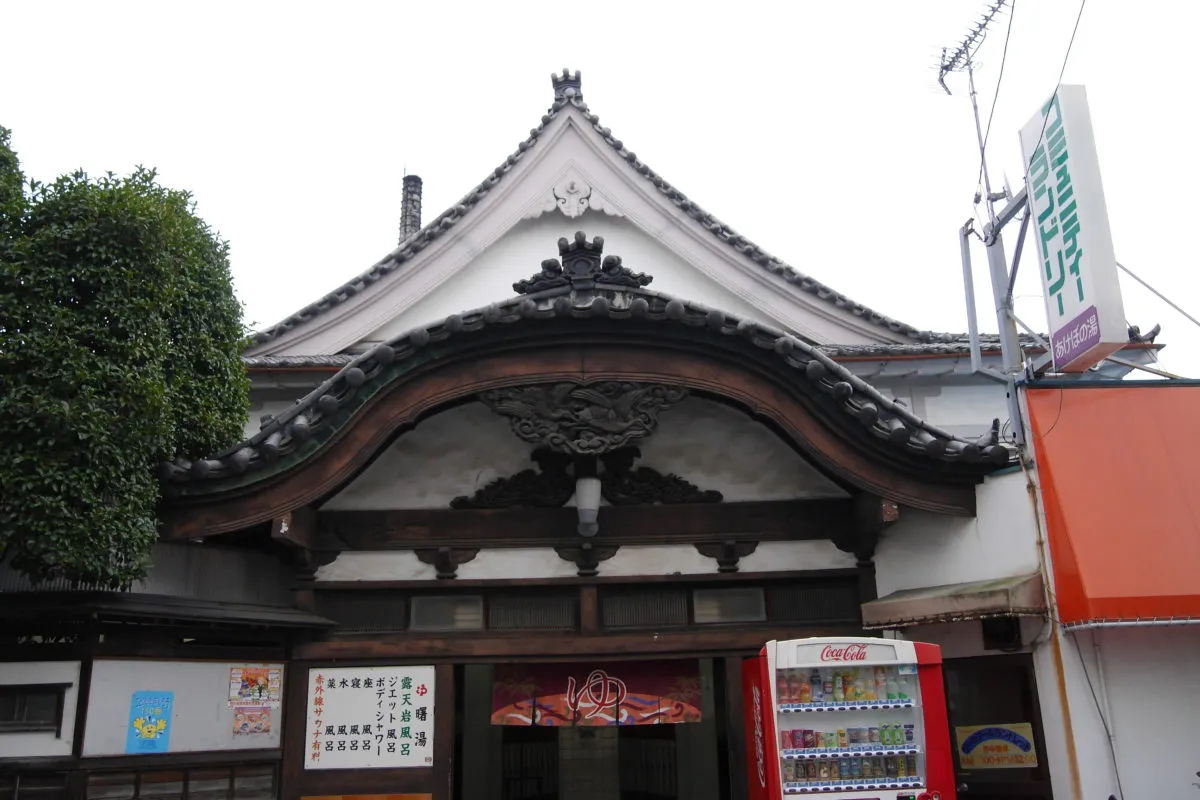
A Japanese public bath, known as a sento in Japanese, is a traditional communal bathhouse where people relax and wash together. Unlike an onsen, which uses natural hot spring water, most sento use heated tap water. Japanese public baths are an important part of local culture and daily life, especially in cities like Tokyo and Osaka.
Many visitors are surprised by the calm atmosphere, old-fashioned design, and bathing etiquette. Today, sento remain popular for relaxation, cultural experiences, and affordable bathing in Japan.
Sento vs Onsen: What’s the Difference?
A sento and an onsen may look similar, but they are different types of Japanese public baths. An onsen uses natural hot spring water from underground sources, while a sento typically uses heated water prepared for bathing. Some sento also use natural spring water or mineral-rich baths.
Onsens are often found in rural areas and hot spring towns, whereas sento are more common in cities like Tokyo and Osaka. For many locals, visiting a sento after work is part of everyday Japanese bath culture.
| Feature | Sento(Pubic Bath) | Onsen |
|---|---|---|
| Water Type | Heated or Natural water | Natural hot spring water |
| Location | Cities and neighborhoods | Hot spring towns and rural areas |
| Atmosphere | Everyday local culture | Relaxation and travel experience |
| Price | Usually affordable | Often more expensive |
How to Use a Japanese Public Bath Step by Step
Visiting a Japanese public bath for the first time can feel intimidating, especially for foreign travelers unfamiliar with sento etiquette. However, the process is usually simple and relaxing once you understand the basic rules. Most Japanese public baths follow a similar flow, from removing your shoes to washing your body before entering the bath.
Learning how to use a sento properly helps visitors avoid common mistakes and enjoy a more authentic Japanese bath culture experience.
Take Off Your Shoes
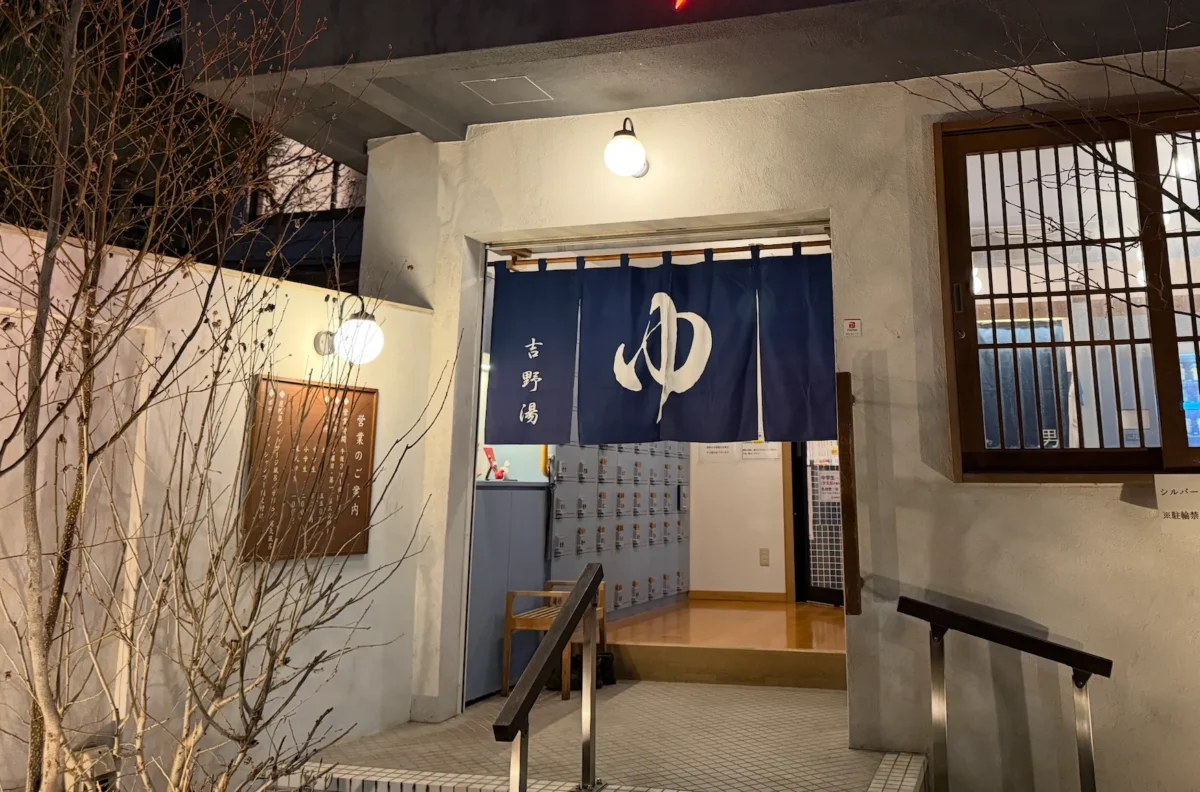
Remove your shoes at the entrance and place them in a shoe locker before entering the bath area.
Use the Locker Room
Store your clothes and belongings in a locker. Most people bring only a small towel into the bathing area.
Wash Your Body Before Entering
Sit at the washing station and clean your body thoroughly before entering the shared bath.
Relax in the Bath
Soak quietly in the hot bath and avoid swimming, splashing, or loud conversations.
Dry Off Before Returning
Use your towel to dry your body before going back into the locker room to keep the floor dry.
Japanese Public Bath Rules and Etiquette
Japanese public bath etiquette is based on cleanliness, quietness, and respect for others sharing the space. Before entering the bath, visitors are expected to wash and rinse their bodies thoroughly at the washing station. Towels should not touch the bath water, and loud conversations or swimming are generally considered impolite. Many sento also ask guests to avoid taking photos inside the bathing area.
Understanding these basic Japanese public bath rules helps first-time visitors enjoy the experience comfortably and respectfully.
Can You Use a Japanese Public Bath With Tattoos?
Tattoo policies at Japanese public baths vary depending on the facility, but sento are generally more tattoo-friendly than traditional onsen. While some onsen may refuse entry because tattoos have historically been associated with organized crime in Japan, many local sento are more relaxed, especially in large cities like Tokyo and Osaka.
In recent years, tattoo-friendly public baths have become increasingly common among foreign travelers. Some facilities may still ask visitors to use cover stickers or private baths.
→About tattoo friendly onsen in Tokyo
Experience a Tattoo-Friendly Japanese Bath With a Local Guide
What to Wear in a Japanese Public Bath
Many first-time visitors are unsure what to wear in a Japanese public bath, but most sento and onsen are traditionally enjoyed without swimsuits. After changing in the locker room, guests usually bring only a small towel into the bathing area. The towel is used for modesty and drying off, but it should not touch the bath water. Some public baths also provide rental towels, shampoo, and soap.
Understanding what to wear helps foreign travelers feel more comfortable when visiting a Japanese public bath for the first time.
Japanese Public Bath Culture and History
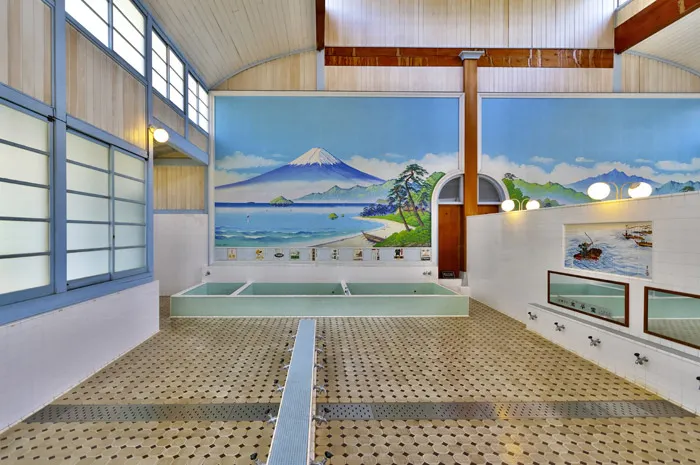
Japanese public baths have been part of daily life for centuries and remain an important part of Japanese bath culture today. During the Edo period, sento became popular gathering places where local people could relax, socialize, and wash after work.
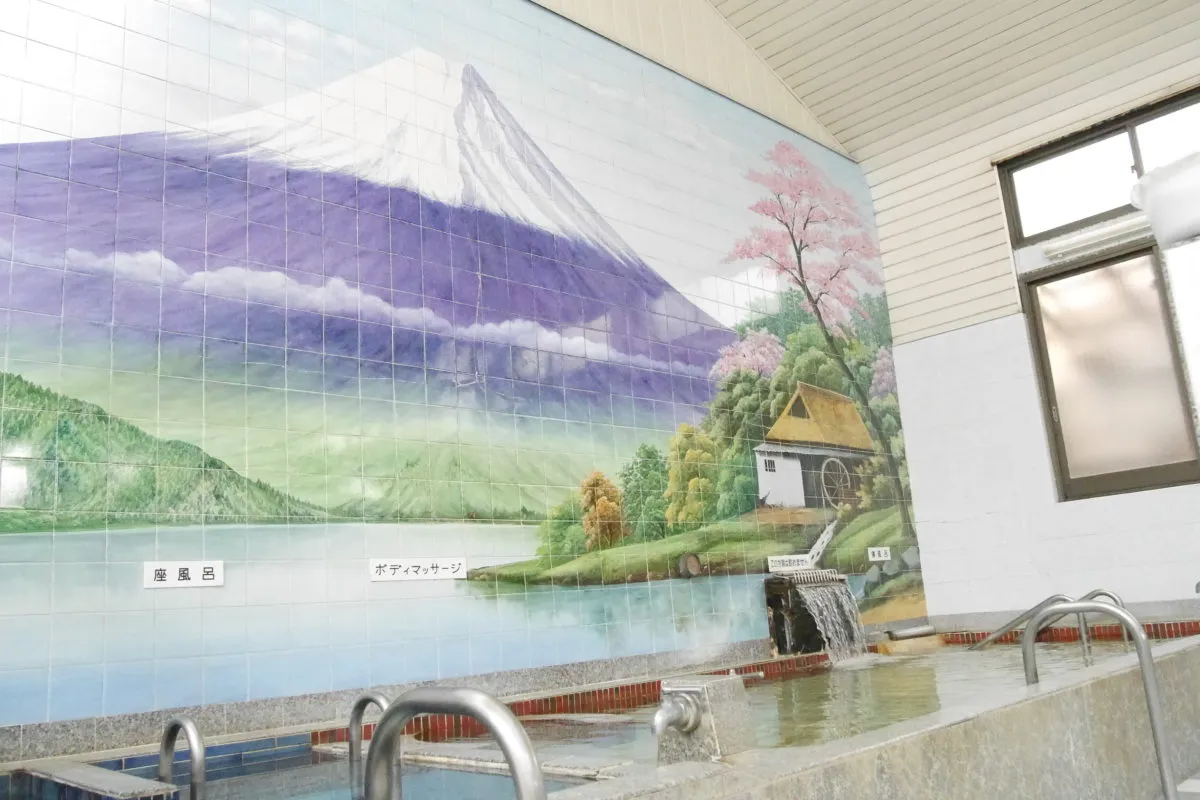
Even now, many neighborhood bathhouses keep their traditional atmosphere with tiled walls, steam-filled rooms, and retro designs. For many visitors, experiencing a sento is not only about bathing, but also about discovering a quieter and more nostalgic side of Japan.
Benefits of Visiting a Japanese Public Bath
Visiting a Japanese public bath is more than just taking a bath. Many people visit sento to relax their body, reduce stress, and enjoy quiet time away from busy city life. Warm baths may also help improve circulation and ease muscle fatigue after a long day of walking or traveling.
For foreign visitors, public baths offer a unique chance to experience local Japanese culture in an affordable and authentic way. The calm atmosphere and retro design make sento especially memorable for first-time travelers.
Final Thoughts
In my opinion, visiting a Japanese public bath is one of the best ways to experience everyday Japanese culture. Unlike tourist attractions, sento are places where local people relax after work and enjoy quiet time together. I think that local atmosphere is what makes public baths so memorable for many travelers.
I also feel that sento can be a good option for visitors with tattoos, especially in large cities like Tokyo where more tattoo-friendly bathhouses are appearing. Even so, I sometimes see foreign visitors feeling nervous or confused about the rules before entering for the first time.
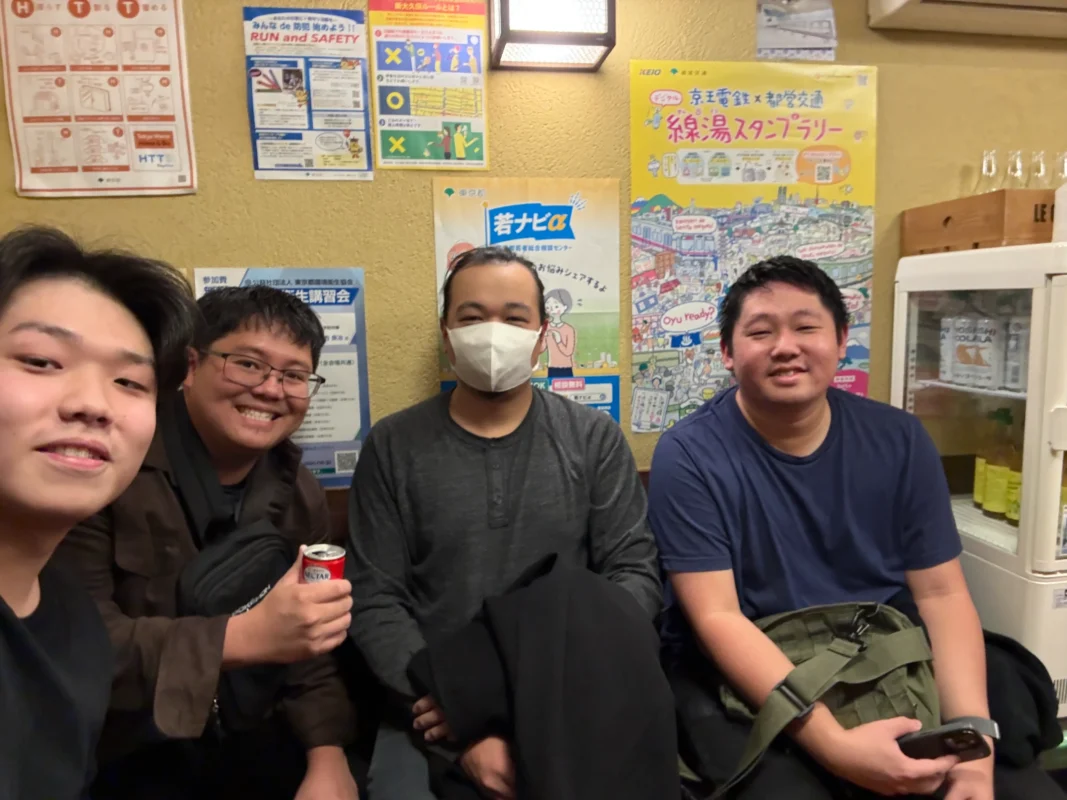
For solo travelers, visiting a sento with a local Japanese person can make the experience much easier and more enjoyable. It helps visitors feel more comfortable with the etiquette while also creating opportunities to connect with local people. I think Japanese public baths are especially worth trying for second-time visitors who want to experience a more authentic and nostalgic side of Japan.
Ready to experience Japanese bath culture for yourself?
FAQ About Japanese Public Baths
eSIM Japan tips Matcha Nightlife onsen private tour solo trip travel buddy
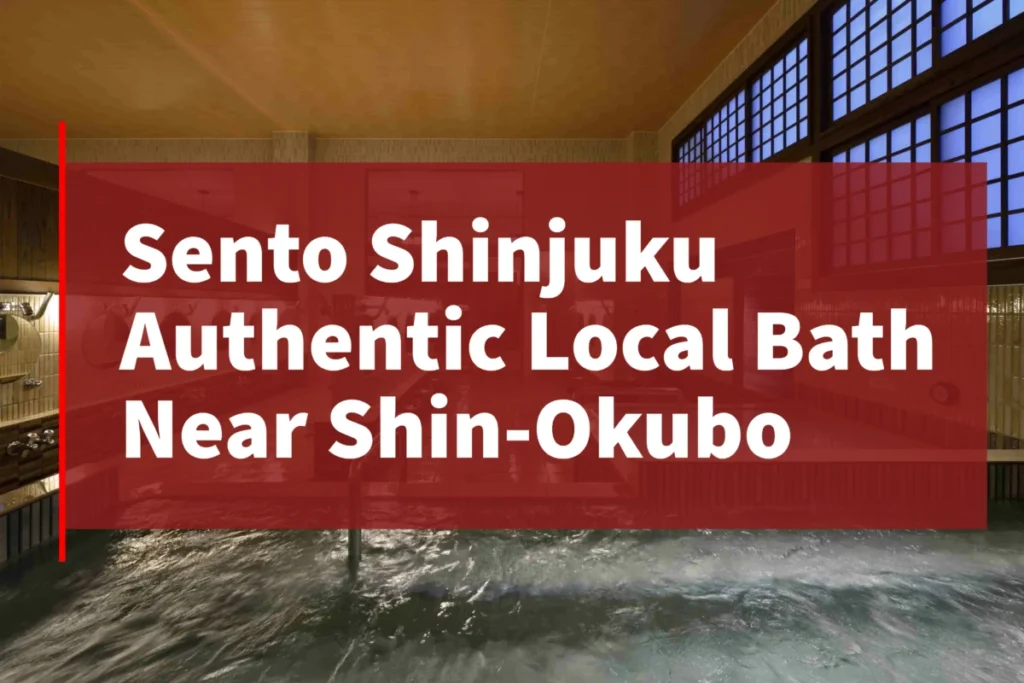
Sento Shinjuku: An Authentic Local Public Bath in Tokyo

Japanese Public Bath Guide: Rules, Etiquette & Tattoos
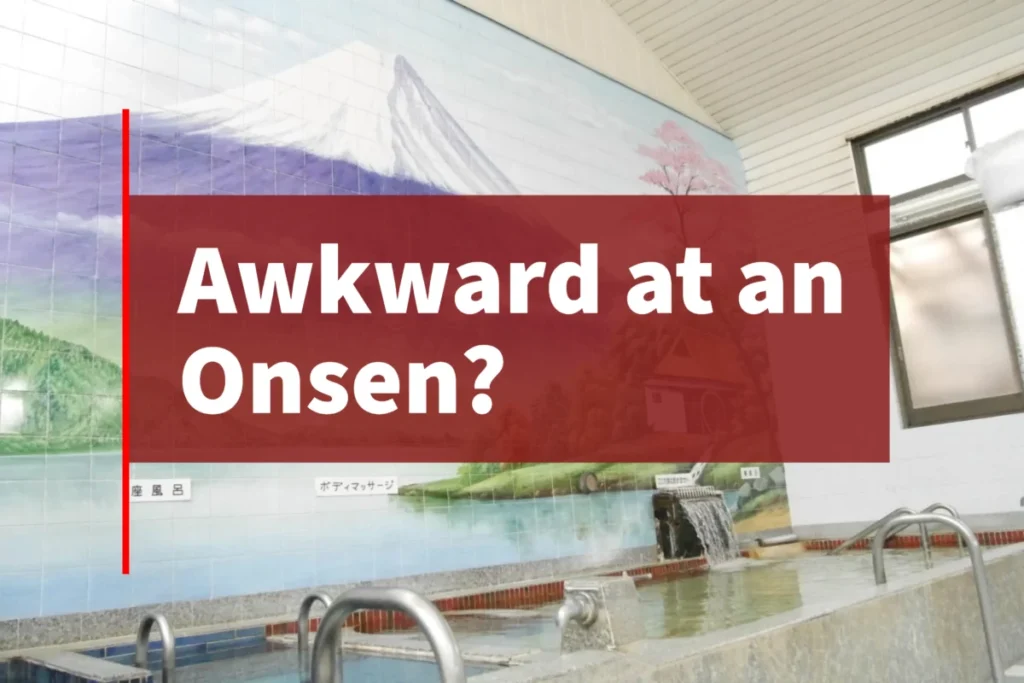
Is Going to an Onsen Awkward for First-Time Visitors?
Founder of Rental Japanese / Tokyo-based
Guided 500+ guests from more than 30 countries.
Specializes in customized private tours, local bar hopping, onsen experiences, and flexible Tokyo day trips with English support.
All information in this article is based on real on-the-ground guiding experience in Tokyo.