
eSIM Japan tips Matcha Nightlife onsen private tour solo trip travel buddy
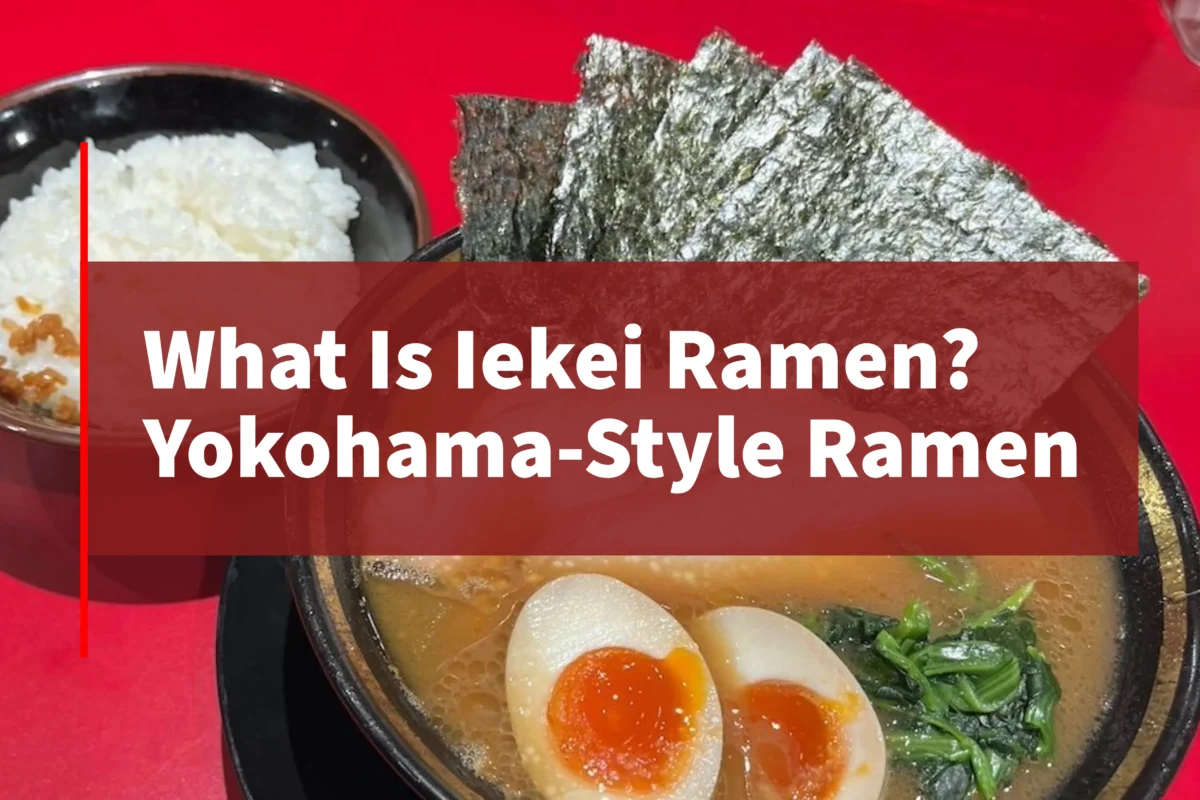
If you enjoy rich and savory ramen, Iekei ramen is one of Japan’s best local styles to try.
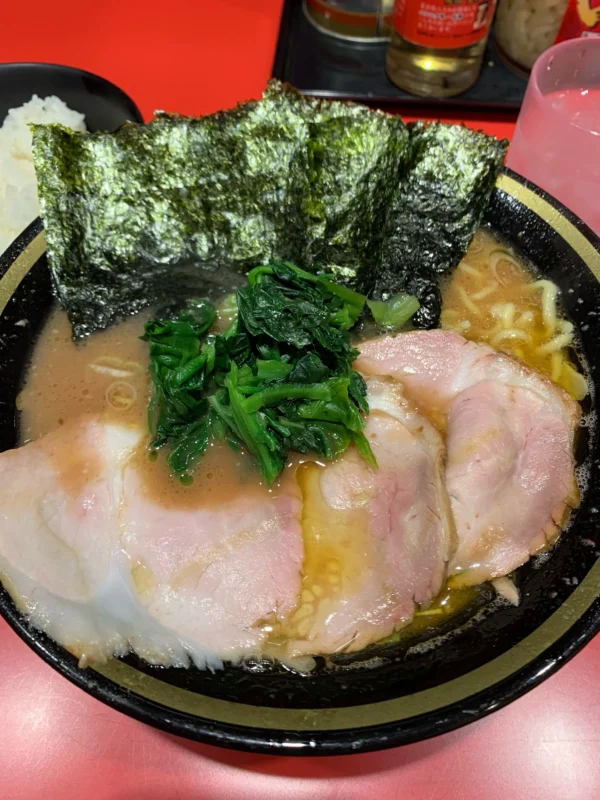
Originating in Yokohama, it combines tonkotsu shoyu broth, chicken oil, thick noodles, spinach, nori, and chashu.
This guide explains what Iekei ramen is, how to order and eat it, how it differs from tonkotsu and Jiro-style ramen, and where to find recommended shops in Yokohama, Tokyo, Osaka, and Kyoto.
What Is Iekei Ramen?
Iekei ramen is a rich Yokohama-style ramen known for its tonkotsu shoyu broth, thick noodles, and distinctive toppings.
The soup combines pork and chicken bones with soy sauce, creating a creamy, savory flavor. A traditional bowl usually includes chashu pork, spinach, and large sheets of nori seaweed.
This ramen style originated at Yoshimuraya in Yokohama in 1974. Today, many Iekei restaurants also let customers customize the noodle firmness, flavor strength, and amount of chicken oil.
What Makes Iekei Ramen Unique?
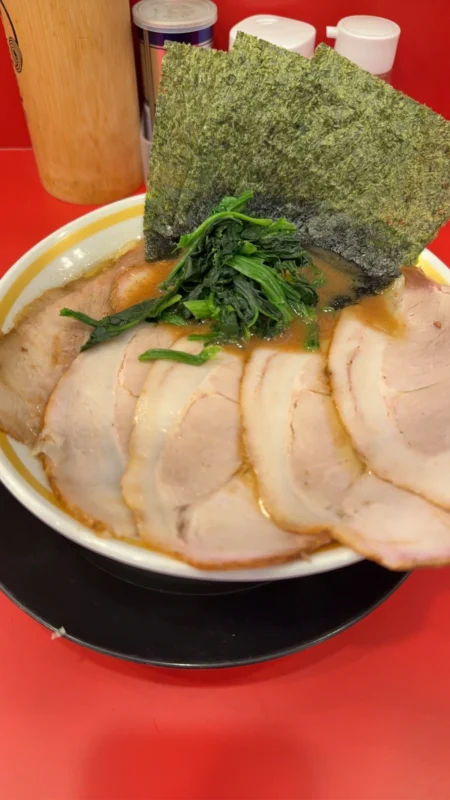
What makes Iekei ramen unique is the balance between its rich tonkotsu shoyu broth, aromatic chicken oil, thick noodles, and simple toppings.
Unlike many regional ramen styles, each element is designed to work together. The powerful soup coats the noodles, while spinach and nori add contrast to every bowl.
Tonkotsu Shoyu Broth and Chicken Oil
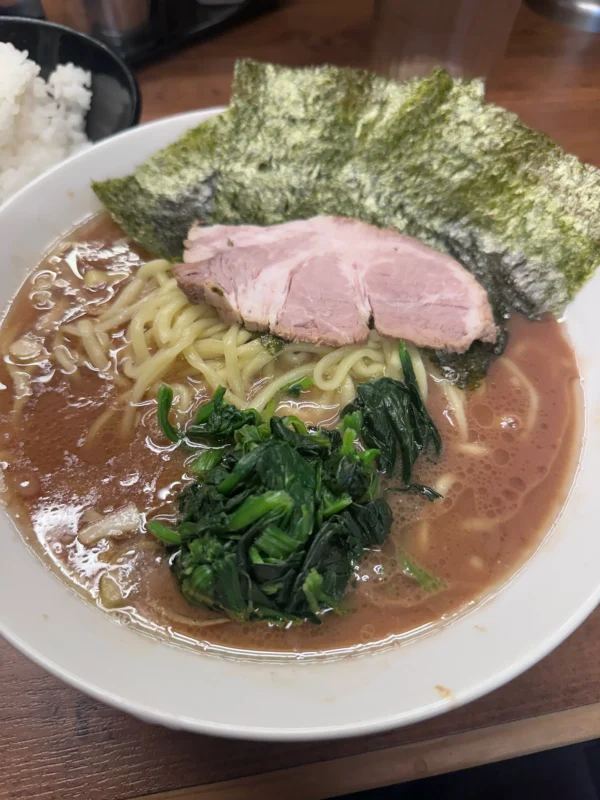
The foundation of Iekei ramen is a rich tonkotsu shoyu broth made with pork bones, soy sauce, and often chicken stock. A layer of chicken oil, called chiyu, adds aroma, richness, and a smooth finish.
This combination creates a savory, creamy soup with stronger soy sauce notes than typical tonkotsu ramen. Many Iekei shops also let diners adjust the flavor strength and amount of oil when ordering.
Thick Noodles and Classic Toppings
Iekei ramen is usually served with thick, straight noodles that hold the heavy broth well.
Classic toppings include chashu pork, spinach, and large sheets of nori seaweed. The spinach brings freshness, while the nori absorbs the soup and pairs especially well with rice.
Although eggs, green onions, and extra pork are common additions, the traditional combination remains simple and instantly recognizable.
How to Order Iekei Ramen
Ordering Iekei ramen is simple once you clearly understand its three standard customization choices. Most shops let you adjust noodle firmness, flavor strength, and the amount of chicken oil.
Noodles, Flavor and Oil Customization
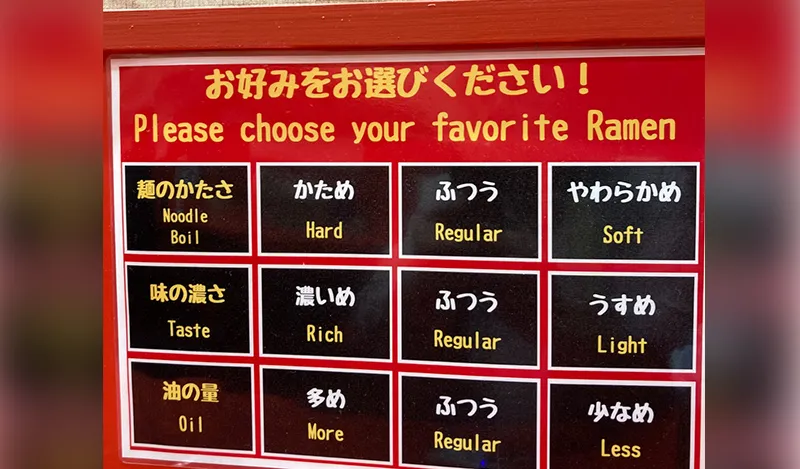
When ordering Iekei ramen, you can usually customize three things: noodle firmness, flavor strength, and the amount of chicken oil.
For your first bowl, choosing regular for all three is the safest option. At shops with ticket machines, buy your ramen ticket first, then tell the staff your preferences.
| Customization | Less / Light / Soft | Regular | More / Strong / Firm |
|---|---|---|---|
| Noodle firmness | Yawarakame — soft | Futsū — regular | Katame — firm |
| Flavor strength | Usume — lighter | Futsū — regular | Koime — stronger |
| Chicken oil | Sukuname — less | Futsū — regular | Oome — extra |
How to Eat Iekei Ramen Like a Local
To eat Iekei ramen like a local, consider ordering a bowl of white rice with your ramen. This is a popular way to enjoy the rich tonkotsu shoyu broth, and some Iekei ramen shops offer rice for free.
First, taste the noodles and soup without condiments. Then, soak a sheet of nori in the broth and use it to wrap a small portion of rice. Add garlic, ginger, pepper, or spicy paste gradually to create different flavors.
Iekei ramen is only one part of Japan’s local food culture. Explore neighborhood restaurants, hidden streets, and everyday Japanese life with a private local guide.
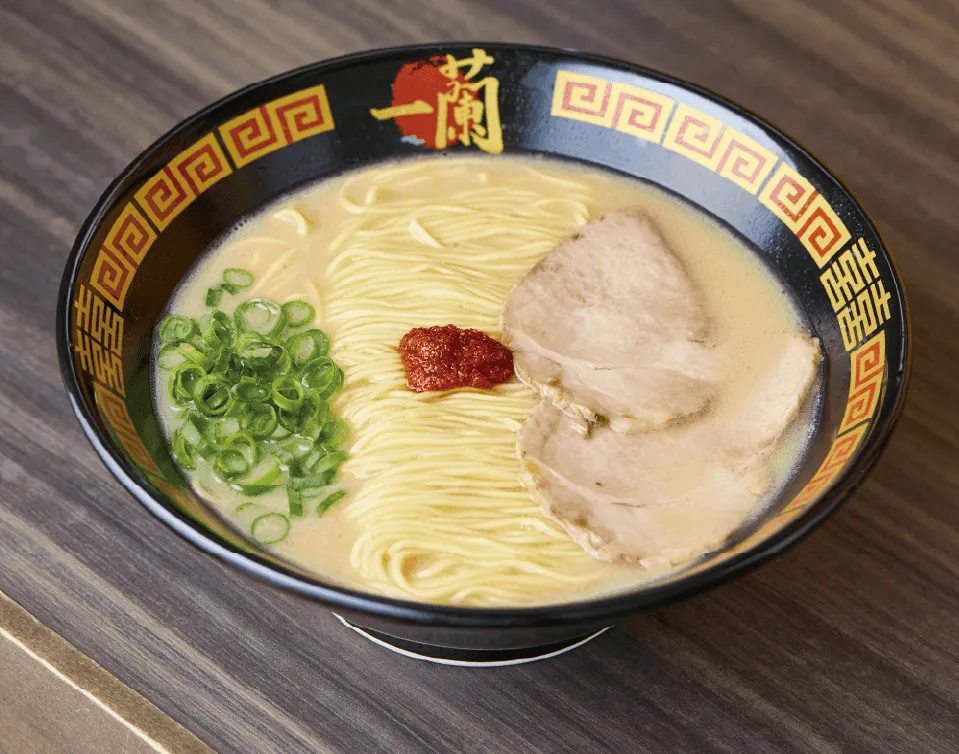
Iekei Ramen vs Tonkotsu Ramen
Iekei ramen and tonkotsu ramen both use pork bone broth, but they are different ramen styles. Iekei ramen originated in Yokohama and combines pork bone broth with soy sauce, chicken oil, and thick, straight noodles. It is commonly topped with spinach, nori, and chashu.
Traditional Hakata-style tonkotsu ramen comes from Fukuoka and usually features a creamy pork broth, thin noodles, green onions, and wood ear mushrooms. Iekei tastes more soy-forward, while tonkotsu emphasizes pork richness.
Iekei Ramen vs Jiro-Style Ramen
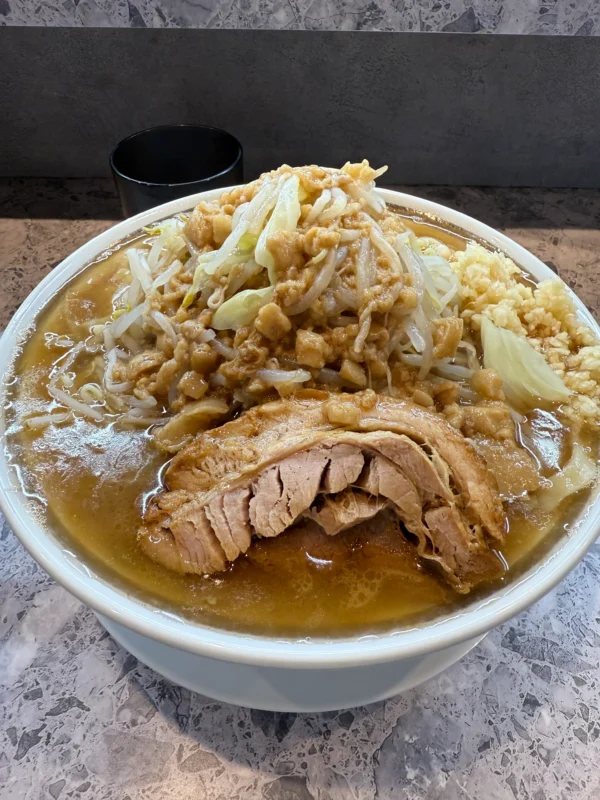
Iekei ramen and Jiro-style ramen are both rich, filling Japanese ramen styles, but they are not the same. Iekei ramen uses tonkotsu shoyu broth, chicken oil, thick noodles, spinach, nori, and chashu.
Jiro-style ramen is known for its much larger portions, extra-thick noodles, fatty pork, bean sprouts, cabbage, garlic, and pork fat. Choose Iekei for a balanced, customizable bowl, or Jiro-style ramen when you want a heavier and more intense meal.
Where to Eat Iekei Ramen in Japan
Iekei ramen originated in Yokohama, but excellent shops can now be found across Japan. Yokohama is best for history, Tokyo offers the widest variety, and Osaka and Kyoto provide strong options for travelers visiting Kansai.
Yokohama
For classic Yokohama Iekei ramen, try Yoshimuraya, the birthplace of the style, Sugitaya, its first direct affiliate, or Kogane-ya, a popular local favorite. These three shops offer a strong introduction to both the history and modern appeal of Iekei ramen in Yokohama.
Tokyo
Tokyo has many respected Iekei ramen shops. Musashiya-Ocha no mizu helped expand the style across the city, while IEKEI TOKYO is known for a stronger, heavier bowl. Budoka-Waseda is another popular choice, especially for diners who enjoy rich ramen with white rice.
Osaka and Kyoto
In Osaka, Osaka-ya brings the Daikiya style to the Nipponbashi area. In Kyoto, Menya Akutagawa is a popular choice for thick noodles, pork bone soy sauce broth, spinach, and nori. Both are useful options for travelers exploring Kansai.
Final Thoughts
In my opinion, Iekei ramen is one of the best local foods to try in Japan.
First-time visitors should choose regular settings, while people who dislike salty food may prefer a lighter flavor. I think the experience is even better with white rice and broth-soaked nori.
Serious ramen fans should also consider Yoshimuraya, the birthplace of Iekei ramen, although waits can sometimes reach 90 minutes or more. Some smaller shops may not have English menus, so learning the basic ordering terms is helpful.
Looking for a more local experience in Japan? Our private tours are casual, flexible, and designed around your interests, from local food and nightlife to neighborhoods most visitors never discover.
FAQ about Iekei Ramen
eSIM Japan tips Matcha Nightlife onsen private tour solo trip travel buddy

Things to Do in Tokyo with Teens: 15 Ideas They’ll Love

Is a Private Tour in Tokyo Worth It? Cost & Guide Tips

Japan Tours for Seniors & Elderly Travelers: Private Guide

Founder of Rental Japanese / Tokyo-based
Guided 500+ guests from more than 30 countries.
Specializes in customized private tours, local bar hopping, onsen experiences, and flexible Tokyo day trips with English support.
All information in this article is based on real on-the-ground guiding experience in Tokyo.