
eSIM Japan tips Matcha Nightlife onsen private tour solo trip travel buddy

Planning a Japan tour for seniors or elderly travelers can feel overwhelming at first.
Japan is safe, convenient, and full of rewarding cultural experiences, but long walking distances, large stations, crowds, and summer heat can make some days tiring.
This guide explains how to plan a slower, more comfortable trip, including transportation tips, suitable activities, private guide options, and a sample Tokyo itinerary for seniors.
- Is Japan a Good Destination for Seniors and Elderly Travelers?
- What Makes Traveling in Japan Difficult for Seniors?
- How Much Walking Should Seniors Expect in Japan?
- How to Plan a Comfortable Pace for Elderly Travelers
- Are Trains and Stations Difficult for Seniors in Japan?
- Best Things to Do in Japan for Seniors
- How to Travel Japan With Elderly Parents
- Is a Private Guide Worth It for Seniors in Japan?
- Sample Slow-Paced Tokyo Itinerary for Seniors
- Essential Japan Travel Tips for Seniors
- Final Thoughts
- FAQs About Japan Tours for Seniors
Is Japan a Good Destination for Seniors and Elderly Travelers?
Yes. Japan can be an excellent destination for seniors and elderly travelers when the trip is planned at a comfortable pace.
Public transportation is reliable, many major stations and attractions are accessible, and cities offer plenty of cultural experiences without requiring constant activity.
However, long walking distances, crowded stations, stairs, and summer heat can make some days tiring. A senior-friendly Japan tour should therefore focus on fewer stops, regular breaks, and flexible transportation options.
What Makes Traveling in Japan Difficult for Seniors?
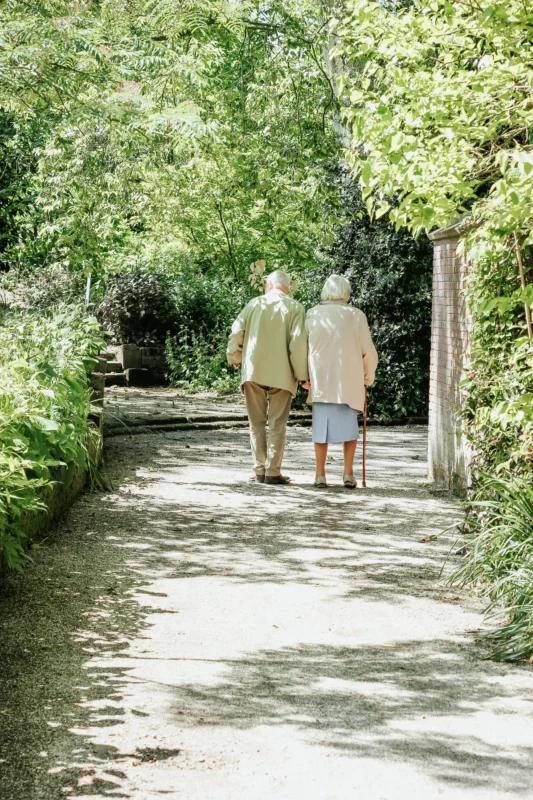
Japan is generally comfortable for senior travelers, but sightseeing can become tiring faster than expected.
The main challenges are long walking distances, large train stations, stairs, crowded areas, and seasonal heat. These issues can be especially noticeable on a Japan tour for elderly travelers or when visiting with older parents.
Planning shorter routes, avoiding unnecessary transfers, and allowing time to rest can make the trip much easier.
Long Walking Distances
Even with trains, sightseeing in Japan often involves plenty of walking through stations, shopping streets, temples, and attractions.
For seniors, limiting the day to two or three main areas can reduce fatigue and make the experience more enjoyable.
Large Train Stations and Stairs
Major stations such as Shinjuku, Tokyo, and Shibuya can involve long walks between platforms and exits. Elevators are common, but they may not always be on the shortest route, so transfers can still be tiring for elderly travelers.
Crowds, Heat, and Limited Places to Rest
Rush-hour trains, busy sightseeing areas, and Japan’s summer heat can quickly become exhausting. Regular café breaks, indoor stops, and flexible timing can make a senior-friendly Japan tour much more comfortable.
How Much Walking Should Seniors Expect in Japan?
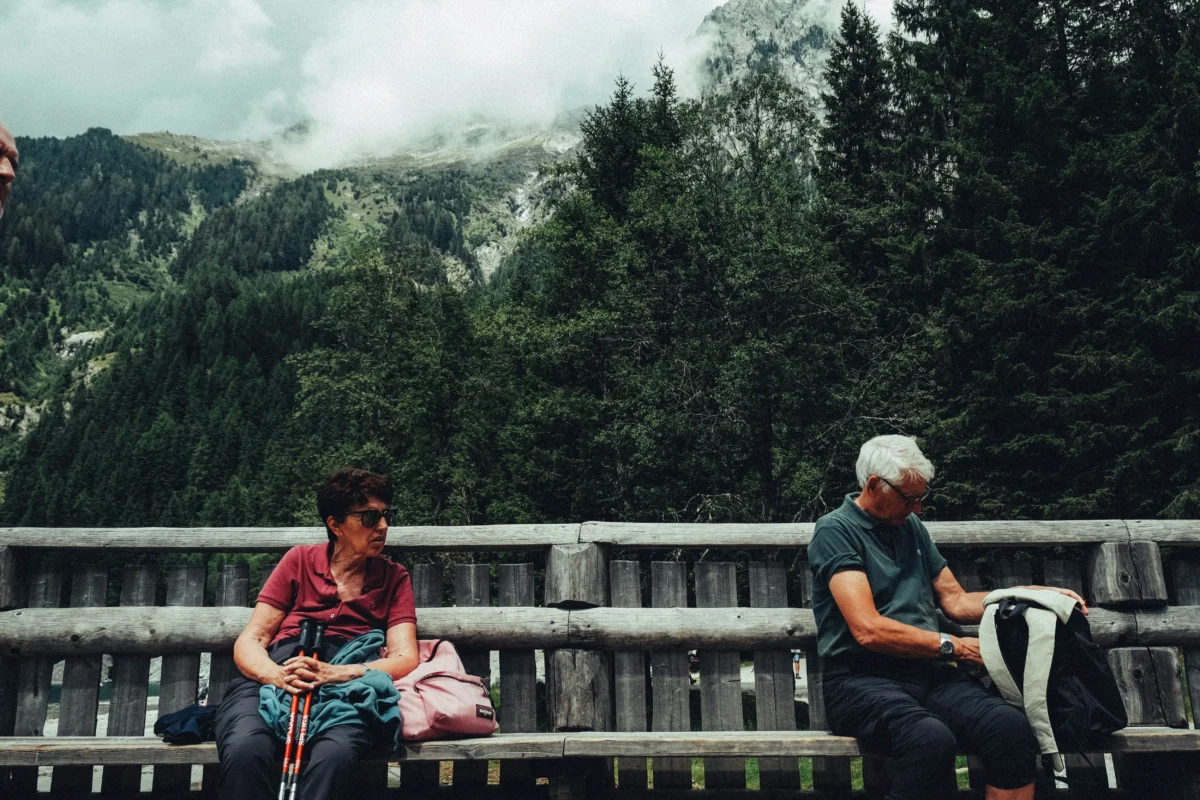
Senior travelers should expect more walking in Japan than they may initially imagine. Even when using trains, walking is often required inside large stations, between attractions, and through temples or shopping areas.
A Japan tour for elderly travelers is usually more comfortable when each day focuses on fewer neighborhoods and includes planned breaks.
Using taxis for selected journeys can also reduce unnecessary walking without limiting the overall sightseeing experience.
How to Plan a Comfortable Pace for Elderly Travelers
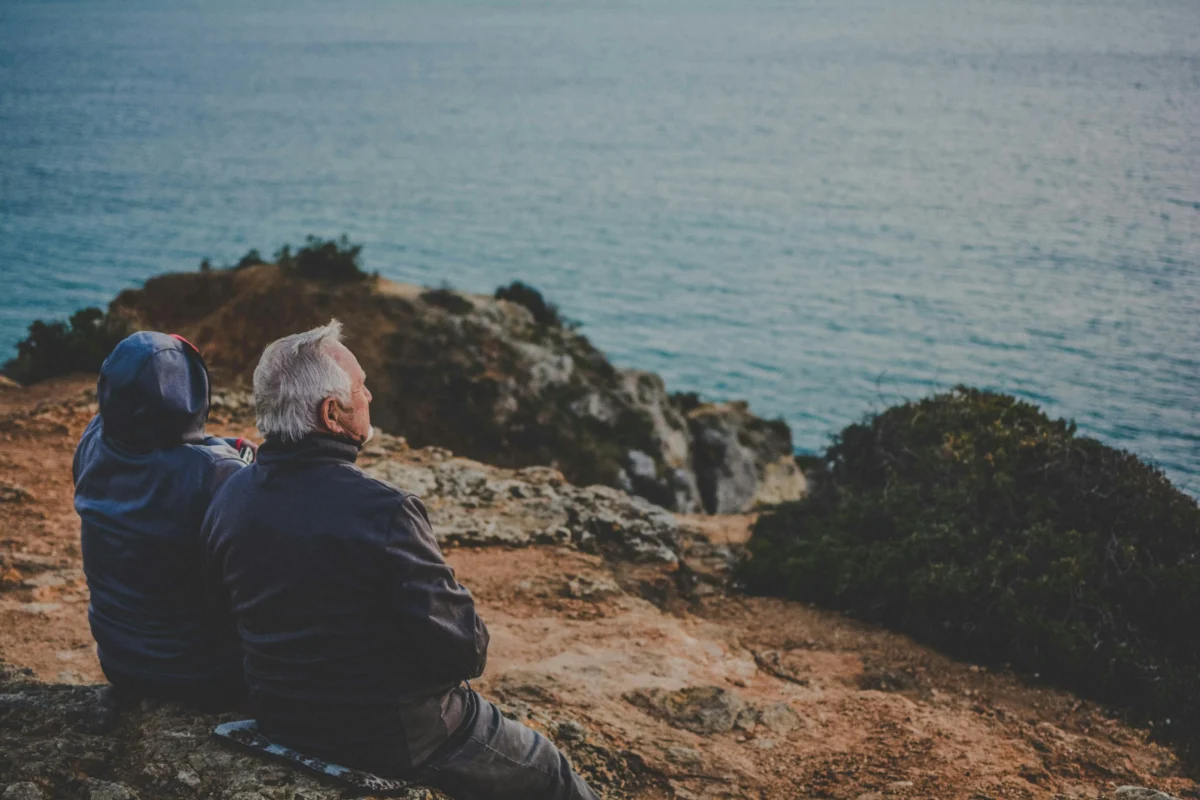
A comfortable Japan tour for elderly travelers should leave enough time to enjoy each place without feeling rushed.
Instead of filling the day with attractions, focus on a few meaningful stops and allow time for meals, cafés, and unexpected breaks. Combining trains with short taxi rides can also reduce unnecessary walking.
The goal is not to see less, but to experience Japan at a pace that remains enjoyable throughout the day.
Visit Fewer Places Each Day
Trying to cover too many neighborhoods can make a Japan trip exhausting.
For senior travelers, a shorter itinerary with enough time at each stop usually creates a more relaxed experience and leaves room to adjust the schedule when needed.
Use Taxis and Rest Breaks Strategically
Trains are convenient, but they are not always the easiest option.
Short taxi rides, café breaks, and indoor stops can reduce walking and help elderly travelers conserve energy for the places they genuinely want to experience.

Are Trains and Stations Difficult for Seniors in Japan?
Japan’s trains are generally reliable and accessible, but large stations can still be tiring for senior travelers.
Major hubs such as Shinjuku, Tokyo, and Shibuya may require long walks between platforms, exits, and elevators. For a Japan tour for elderly travelers, choosing simpler routes, avoiding rush hour, and reducing unnecessary transfers can make train travel much easier.
When a station feels overwhelming, a short taxi ride can sometimes be the more comfortable option.
Best Things to Do in Japan for Seniors
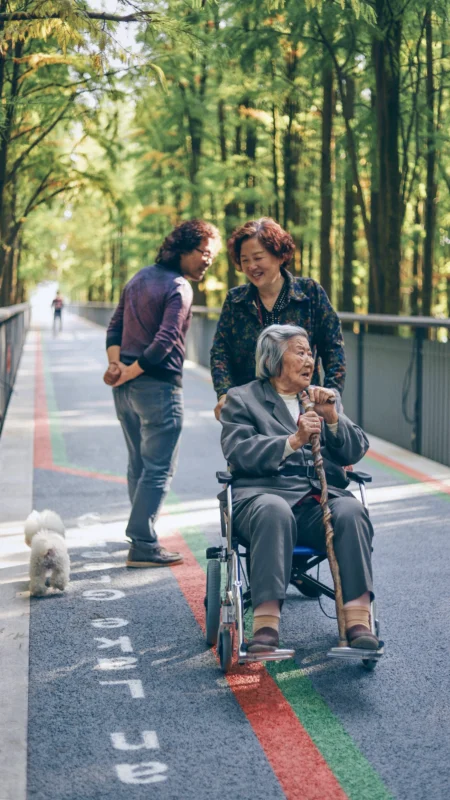
The best Japan tours for seniors usually combine culture, comfort, and enough time to enjoy each experience.
Tea ceremonies, Japanese gardens, museums, traditional neighborhoods, and local food experiences can all be enjoyed at a relaxed pace. For elderly travelers who prefer quieter activities, scenic gardens, onsen, and slower neighborhood walks are also excellent options.
The key is choosing experiences that feel meaningful without turning every day into a packed sightseeing schedule.
Cultural Experiences
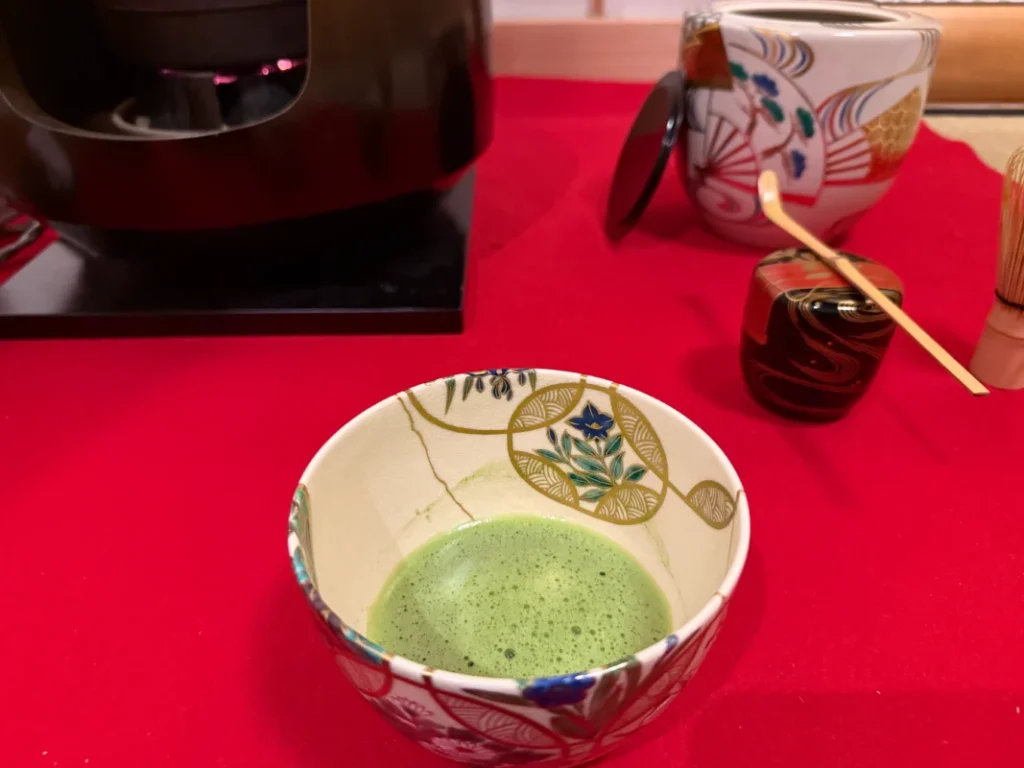
Tea ceremonies, museums, historic neighborhoods, and traditional gardens offer a deeper look at Japanese culture without requiring a fast pace.
Many of these experiences can also be enjoyed indoors or with regular places to sit and rest.
Relaxing Experiences
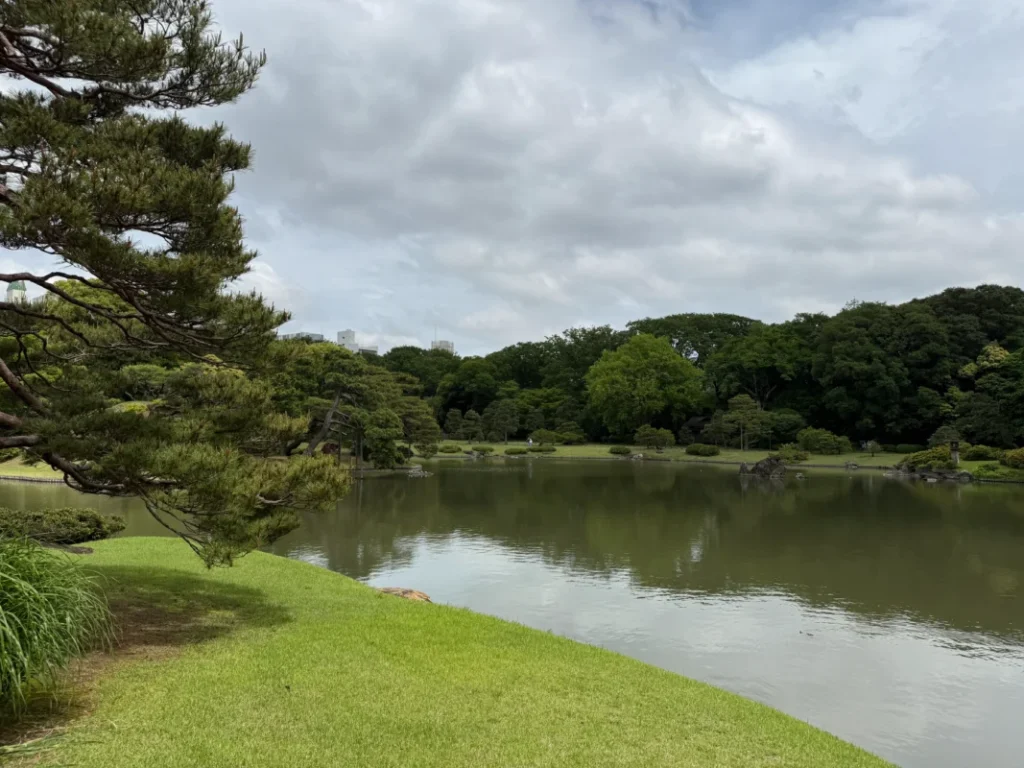
Japanese gardens, onsen, scenic cafés, and quiet neighborhood walks can add slower moments to a busy itinerary.
These experiences are especially useful for senior travelers who want to enjoy Japan without spending every day moving between major attractions.
How to Travel Japan With Elderly Parents
Traveling Japan with elderly parents is much easier when the itinerary is built around their energy and comfort. Avoid planning every hour, and leave room to slow down, rest, or change plans when needed.
A Japan tour for elderly parents should prioritize meaningful experiences over the number of attractions visited.
Choosing convenient hotels, shorter transfers, and flexible transportation can also reduce unnecessary fatigue during the trip.
Plan Around Their Energy, Not Your Schedule
Your parents may feel energetic in the morning but tire faster later in the day. Plan important activities earlier, keep afternoons lighter, and avoid pushing through a schedule simply because something was originally booked.
Keep the Itinerary Flexible
Leave enough space between activities for meals, rest, or unexpected changes. Flexible plans make it easier to use a taxi, return to the hotel early, or spend more time somewhere your parents genuinely enjoy.
Is a Private Guide Worth It for Seniors in Japan?
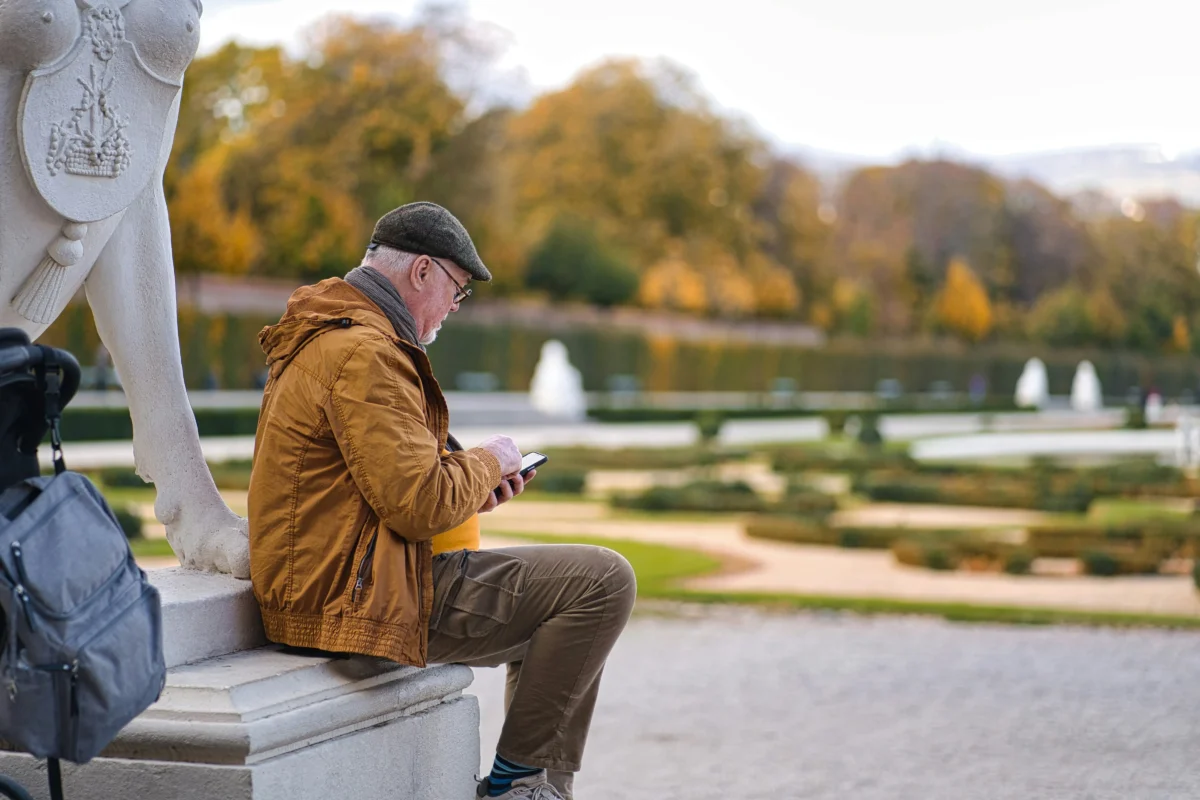
A private guide can be especially valuable for senior travelers who prefer a slower pace or feel unsure about transportation in Japan.
A private Japan tour for seniors can reduce time spent navigating large stations, help adjust plans when someone becomes tired, and make communication easier.
However, experienced travelers who are comfortable using trains may not need a guide every day. The real value is flexibility, local support, and less stress while exploring Japan.
Prefer a slower and more flexible way to explore Japan? Our private tours can be adjusted around walking ability, interests, transportation, and your preferred pace.
Sample Slow-Paced Tokyo Itinerary for Seniors
A Tokyo tour for seniors does not need to include many attractions to feel rewarding.
This sample itinerary focuses on three areas, comfortable transportation, a relaxed lunch, and time to rest. It is designed as an example rather than a fixed schedule, since walking ability, interests, weather, and energy levels differ between travelers.
A private guide can also adjust the route during the day when more rest or less walking is needed.
10:00 AM — Hotel Pickup
Meet your private guide at your hotel and start the day without navigating a busy station alone.
10:30 AM — Asakusa
Explore Sensoji Temple and the surrounding traditional streets at a comfortable pace.
12:00 PM — Relaxed Lunch
Enjoy Japanese food without rushing, with enough time to sit and recharge.
1:30 PM — Japanese Garden
Use a taxi to reduce unnecessary walking and avoid complicated train transfers.
2:00 PM — Japanese Garden & Tea Break
Enjoy a quieter cultural experience with time to walk slowly and rest.
3:30 PM — Return or Continue
Finish the tour comfortably, or add another stop if everyone still feels energetic.
Essential Japan Travel Tips for Seniors
A comfortable Japan trip for seniors often depends on practical choices made before the journey begins.
Traveling during milder seasons, staying near convenient stations, and reducing the need to carry heavy luggage can make a noticeable difference.
Senior travelers should also leave extra time for transfers and avoid overly complicated routes. Small decisions about hotels, transportation, and luggage can reduce fatigue and make each day in Japan feel much easier.
Best Time to Visit Japan
Spring and autumn are generally more comfortable for sightseeing because temperatures are milder than Japan’s hot and humid summer.
Senior travelers who are sensitive to heat may find these seasons easier for walking and spending time outdoors.
Hotels, Luggage, and Transportation
Choose hotels with convenient transportation and avoid carrying large suitcases between cities when possible.
Japan’s luggage delivery services can send bags between hotels, while IC cards and simple routes can make local transportation easier.
→Japan’s luggage delivery services
Final Thoughts
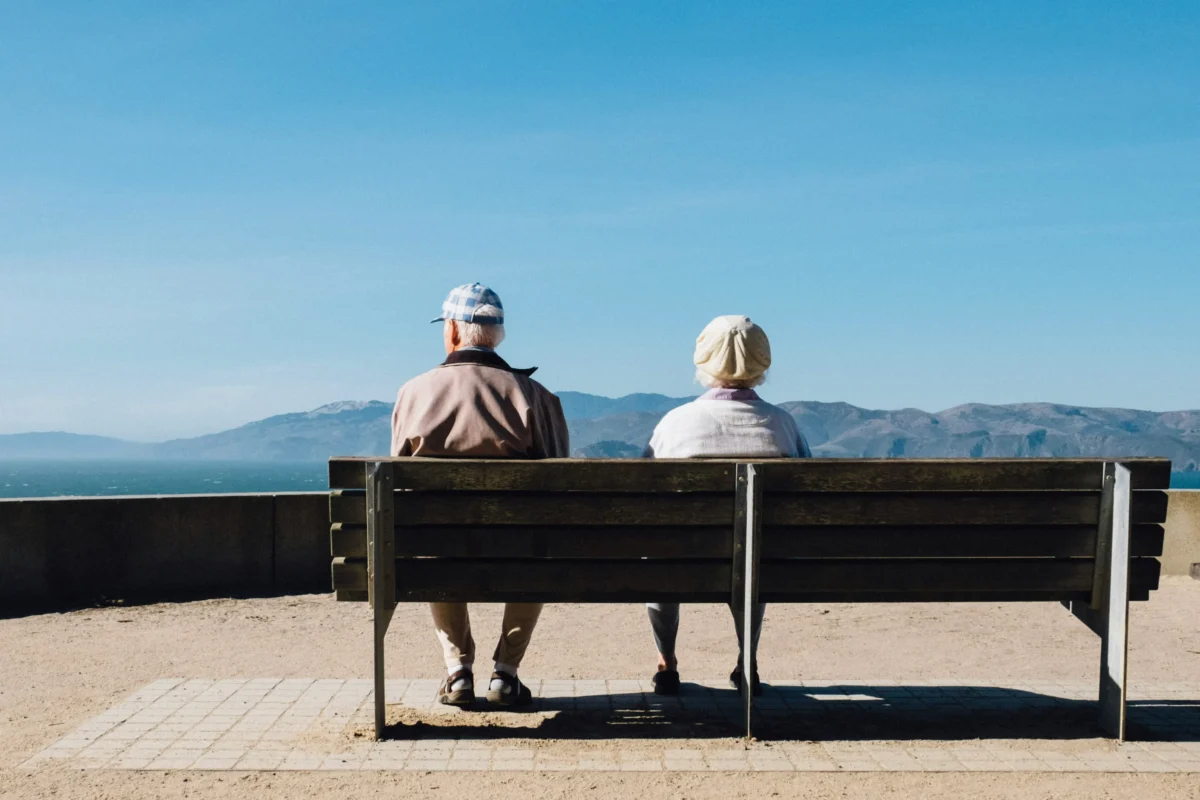
I think Japan can be a wonderful destination for seniors when the trip is planned around comfort rather than a packed schedule.
I have guided travelers in their 70s and used taxis when walking became difficult. I also prefer exploring places such as Japanese gardens at a relaxed pace and changing the itinerary when needed.
From my experience, the best Japan tours for seniors are flexible enough to match each traveler’s energy, mobility, and interests.
Planning a trip to Japan with elderly parents or looking for a more comfortable pace? We can create a private tour around your interests, mobility, and preferred schedule.
FAQs About Japan Tours for Seniors
eSIM Japan tips Matcha Nightlife onsen private tour solo trip travel buddy

Is Kyoto Worth Visiting? An Honest Guide for Your Japan Trip

Japan Private Tour Guide Cost: How Much Is a Guide?

Is a Private Tour in Tokyo Worth It? Cost & Guide Tips
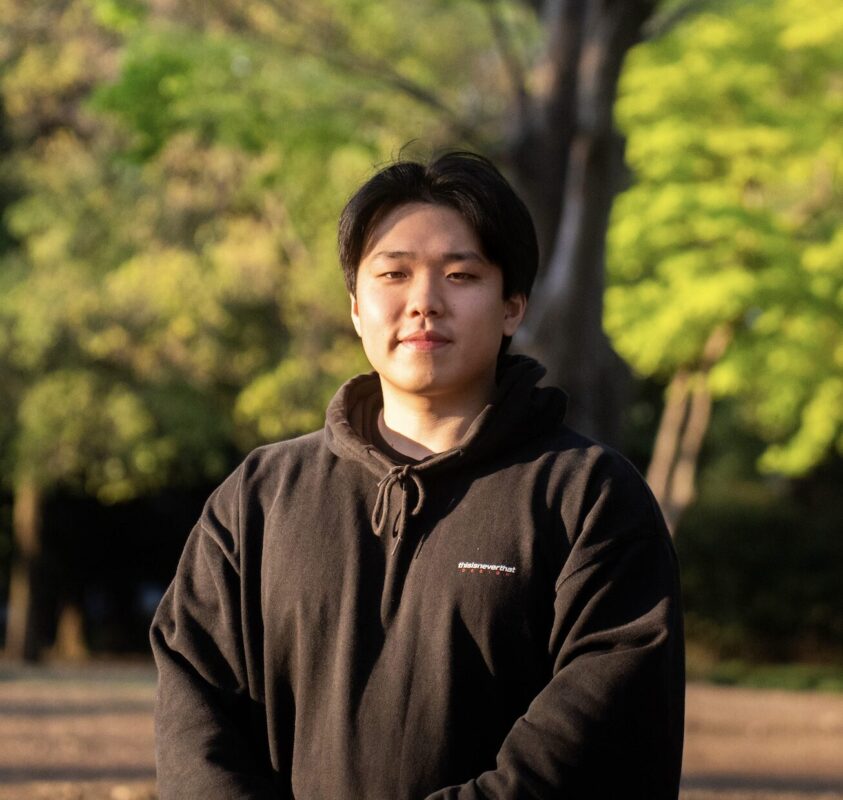
Founder of Rental Japanese / Tokyo-based
Guided 500+ guests from more than 30 countries.
Specializes in customized private tours, local bar hopping, onsen experiences, and flexible Tokyo day trips with English support.
All information in this article is based on real on-the-ground guiding experience in Tokyo.