
eSIM Japan tips Matcha Nightlife onsen private tour solo trip travel buddy
If you are planning to join an Asakusa tea ceremony in Tokyo, this guide is for you. It explains what a traditional tea ceremony is, what you will actually experience, and how it feels in real life. You will also learn the difference between a kimono tea ceremony and a simple matcha experience.
This article is written for beginners and first-time visitors who want a clear and easy explanation before booking.
- What Is an Asakusa Tea Ceremony?
- Why Asakusa Is a Great Place for a Traditional Tea Ceremony
- What Happens During an Asakusa Tea Ceremony Experience?
- Kimono Tea Ceremony in Asakusa: Is It Worth It?
- Matcha, Sweets, and Tea Ceremony Menu
- How to Choose the Best Tea Ceremony in Asakusa or Tokyo
- Tips Before Joining a Tea Ceremony in Asakusa
- Final Thoughts on the Best Asakusa Tea Ceremony Experience
- FAQ About Asakusa Tea Ceremony
What Is an Asakusa Tea Ceremony?
An Asakusa tea ceremony is a calm and traditional way to experience Japanese culture in Tokyo. In a quiet tea room, a host prepares matcha with careful movements while explaining the meaning behind each step. You can enjoy Japanese sweets, learn simple tea ceremony manners, and feel the slower rhythm of old Japan.
Since many Asakusa tea ceremony experiences are beginner-friendly, you do not need any previous knowledge. Some places also offer kimono plans, which make the experience even more memorable.
Why Asakusa Is a Great Place for a Traditional Tea Ceremony
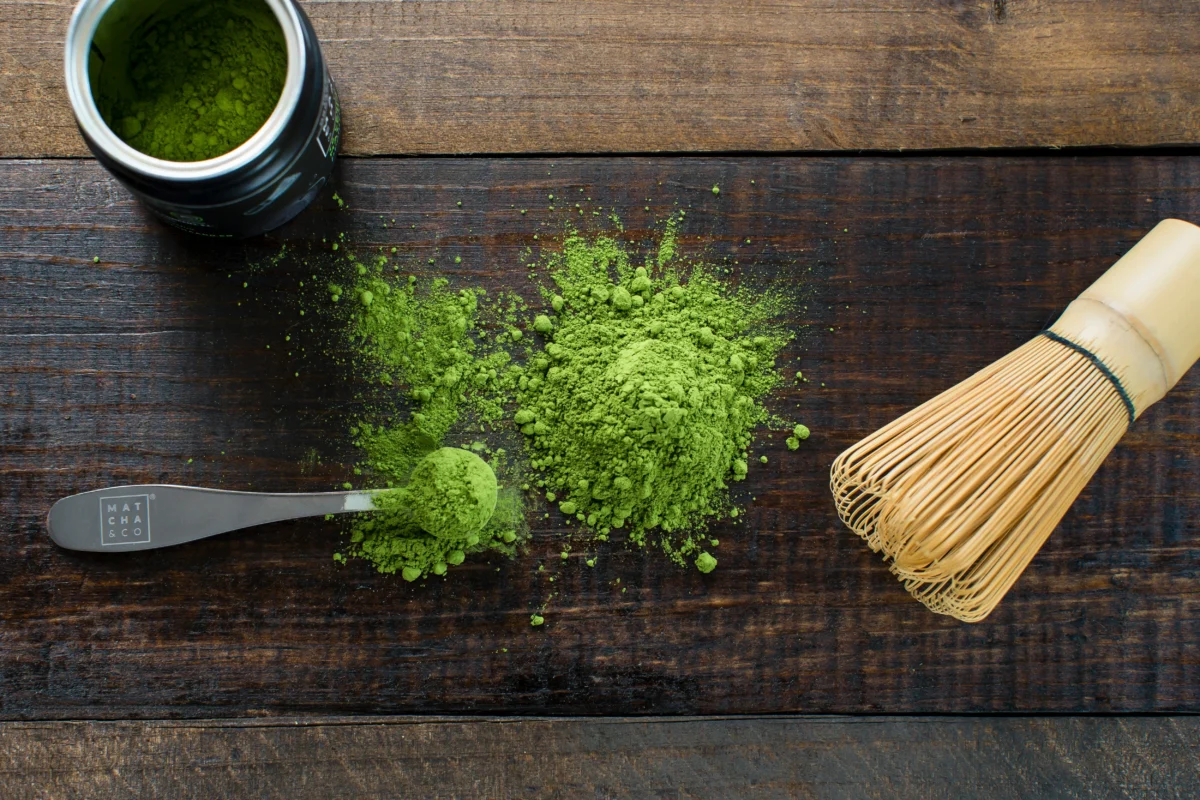
Asakusa is one of the best places for a traditional tea ceremony in Tokyo because the area still feels connected to old Japan. After visiting Sensoji Temple or walking through the historic streets, joining an Asakusa tea ceremony feels very natural. The quiet matcha experience also creates a nice contrast with the busy shopping streets around Nakamise.
Since many kimono rental shops are nearby, travelers can easily combine a kimono tea ceremony with sightseeing. This makes Asakusa a simple but memorable place to enjoy Japanese tea culture.
What Happens During an Asakusa Tea Ceremony Experience?
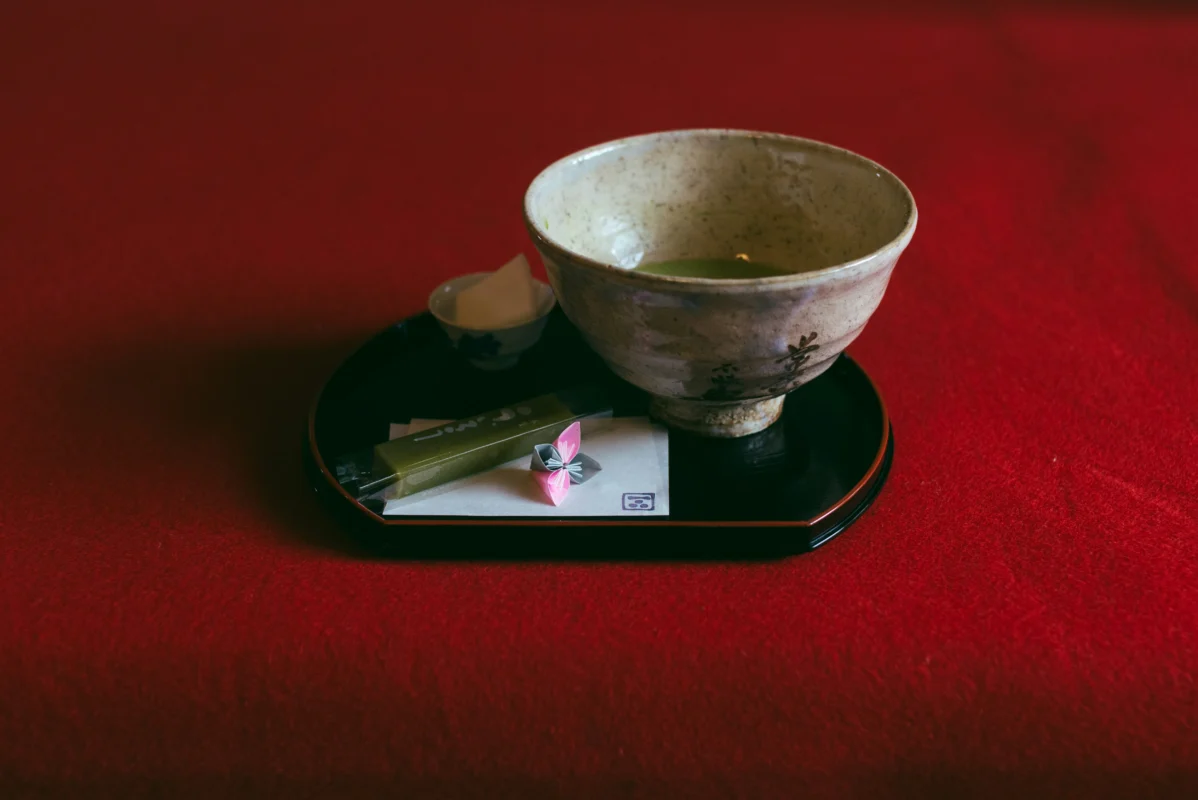
During an Asakusa tea ceremony experience, you can enjoy the quiet rhythm of Japanese culture. First, the host usually explains simple tea ceremony manners, so beginners can feel comfortable. Then, you watch matcha being prepared with careful and graceful movements. After that, you taste Japanese sweets and drink freshly made matcha in a peaceful tea room.
Some experiences are traditional and formal, while others are more relaxed for foreign travelers. Either way, a tea ceremony in Asakusa helps you understand Japan beyond sightseeing.
Learning Basic Tea Ceremony Manners
At the beginning of an Asakusa tea ceremony, the host usually explains basic manners. These may include how to enter the tea room, how to bow, and how to receive the tea bowl. You do not need to know everything before joining, because most tea ceremony experiences in Tokyo are beginner-friendly.
The goal is not to act perfectly, but to understand the respect behind each movement. This simple introduction helps foreign travelers enjoy a traditional Japanese tea ceremony with more confidence.
Watching Matcha Being Prepared
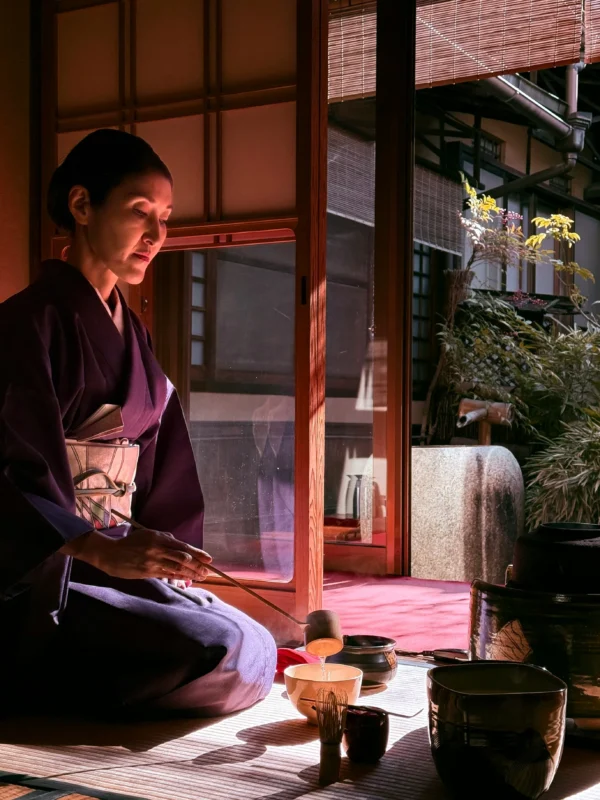
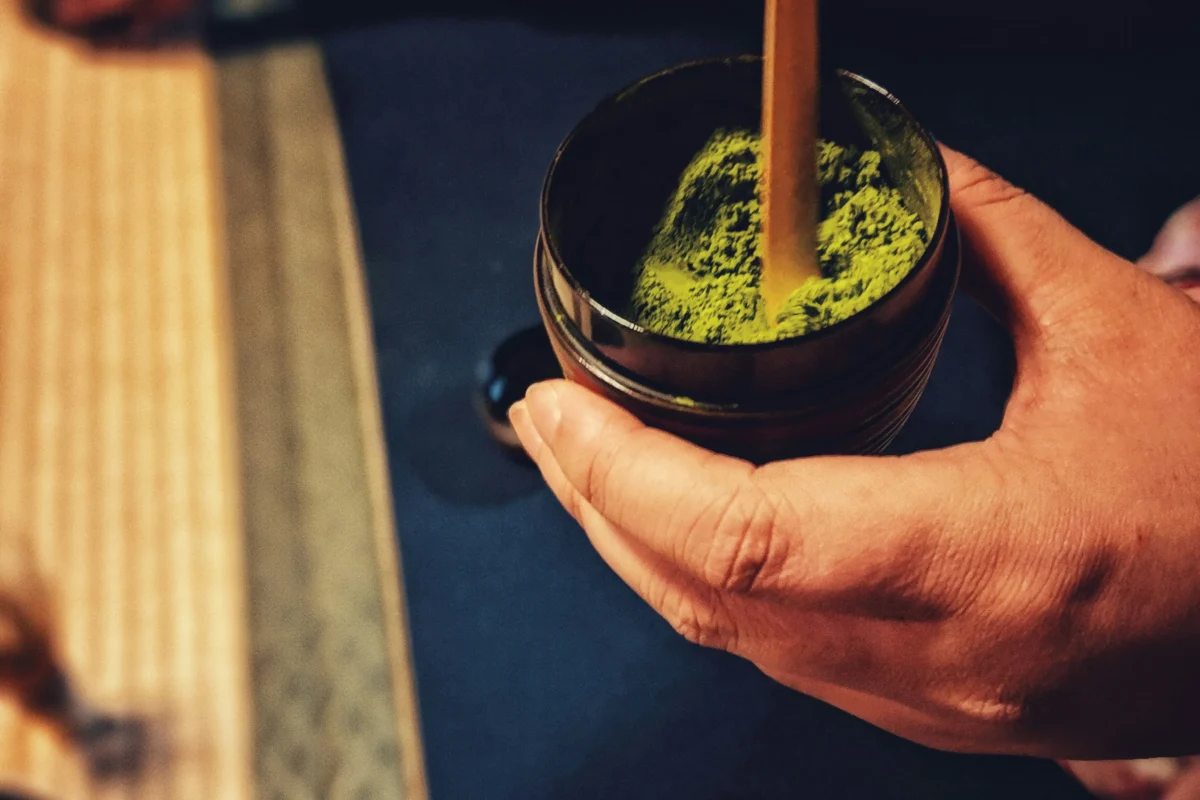
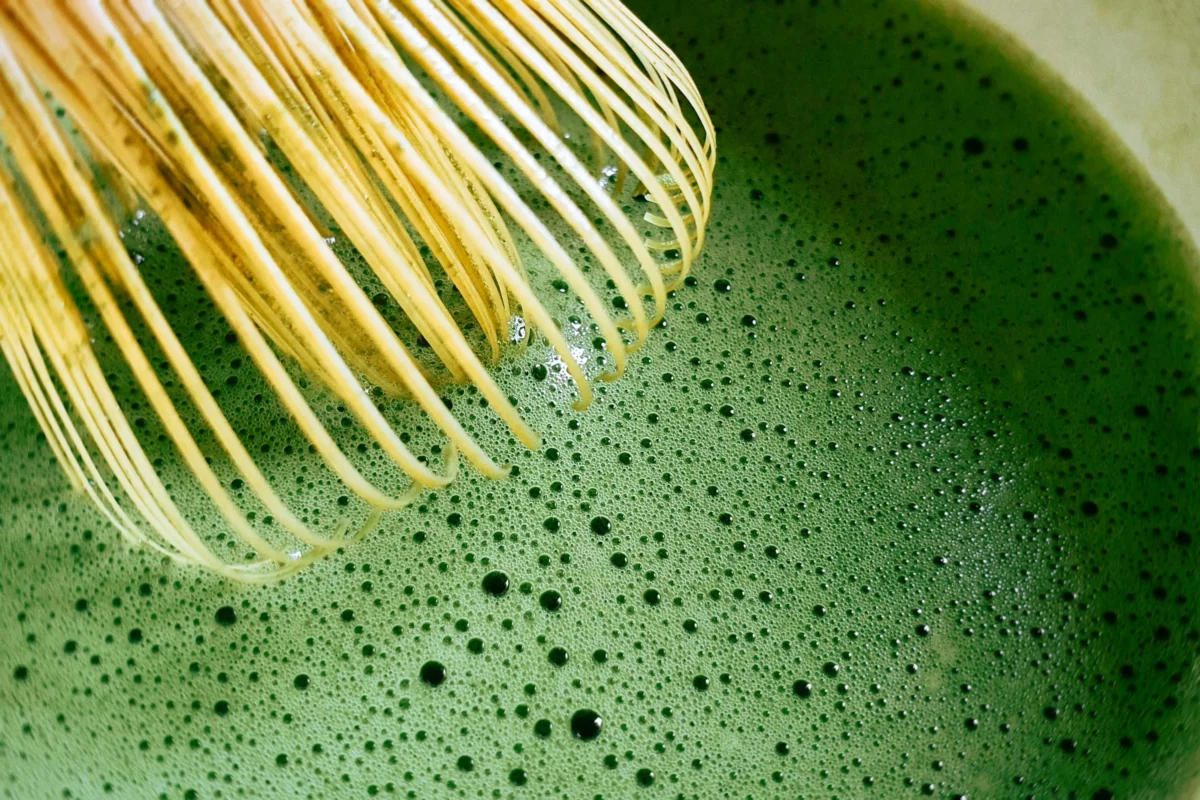
One of the most beautiful parts of a traditional tea ceremony is watching matcha being prepared. The host carefully cleans the tools, adds matcha powder, pours hot water, and whisks the tea until it becomes smooth. Each movement is slow, quiet, and meaningful.
In Asakusa, this moment feels especially memorable because the area is already connected to old Tokyo. Even if you do not know tea ceremony traditions, watching the preparation helps you feel the calm beauty of Japanese culture.
Enjoying Matcha and Japanese Sweets
After watching the preparation, you usually enjoy Japanese sweets before drinking matcha. The sweetness balances the slightly bitter taste of green tea, which is an important part of the experience. In many Asakusa tea ceremony menus, the sweets may change depending on the season. This makes the moment feel simple but special.
You can slowly drink the matcha, enjoy the quiet atmosphere, and notice the details around you. For many travelers, this is the most relaxing part of the tea ceremony.
Kimono Tea Ceremony in Asakusa: Is It Worth It?
A kimono tea ceremony in Asakusa is worth it if you want a deeper and more photogenic cultural experience. Wearing a kimono can make the traditional tea ceremony feel more special, especially in a historic area like Asakusa.
Many travelers also enjoy combining kimono rental, temple sightseeing, and a matcha tea ceremony in one day. However, a kimono is not required to enjoy the experience. If you prefer something simple and relaxed, a regular Asakusa tea ceremony can still give you a beautiful introduction to Japanese culture.
Matcha, Sweets, and Tea Ceremony Menu
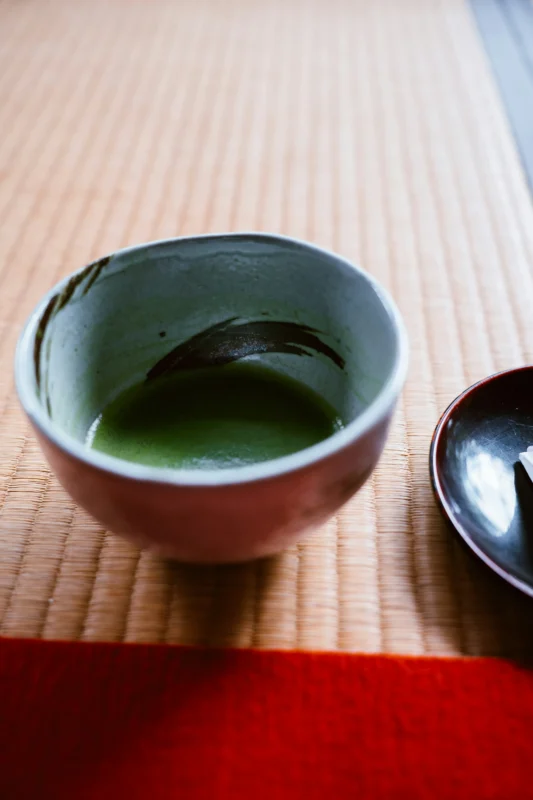
In most Asakusa tea ceremony menus, the main focus is matcha and Japanese sweets. The sweets are usually served before the tea, because their gentle sweetness balances the rich and slightly bitter taste of matcha. Some tea ceremony experiences in Asakusa may use seasonal sweets, which makes the moment feel more connected to Japanese traditions.
However, a tea ceremony is not usually a full meal. It is a quiet cultural experience where you enjoy matcha, sweets, and the careful hospitality behind each step.
How to Choose the Best Tea Ceremony in Asakusa or Tokyo
Choosing the best tea ceremony in Asakusa or Tokyo depends on what kind of experience you want. Some travelers prefer a famous tea ceremony studio with many reviews, while others want a more personal and relaxed matcha experience with local support.
Before booking, check what is included, whether English guidance is available, and how beginner-friendly the ceremony feels. If you want someone to help you understand the manners, culture, and small details, a private tea ceremony experience can be a better fit.
Check If Kimono Rental Is Included
If you want a kimono tea ceremony in Asakusa, check whether kimono rental is included before booking. Some experiences include kimono dressing, matcha, and Japanese sweets, while others charge separately for each option. A kimono can make the ceremony feel more traditional and photogenic, especially if you plan to walk around Asakusa before or after the experience.
However, it is not required. If you care more about learning Japanese tea culture in a relaxed way, a simple tea ceremony without kimono can still be meaningful.
Look for English-Friendly Support
English-friendly support is important if this is your first tea ceremony in Tokyo. A traditional tea ceremony can feel confusing when no one explains the manners, tools, or meaning behind each step. With clear English guidance, you can understand why the host prepares matcha slowly, how to receive the tea bowl, and how Japanese sweets fit into the experience.
This is especially helpful for foreign travelers who want more than just photos. A good Asakusa tea ceremony should feel calm, welcoming, and easy to follow.
Compare Private, Small Group, and Large Group Experiences
When booking a tea ceremony in Asakusa, check whether it is private, small group, or large group. A large group tea ceremony may be easier to book and have more public reviews, but it can sometimes feel busy or less personal. A small group experience can be a good balance if you want a social atmosphere without feeling rushed.
However, a private tea ceremony in Tokyo is usually more flexible and comfortable for beginners. You can ask questions, move at your own pace, and enjoy a quieter matcha experience.
Read Reviews Before Booking
Reviews are useful when choosing an Asakusa tea ceremony, especially for checking the atmosphere, English support, and beginner-friendly details. However, reviews are not the only thing that matters. Some newer or smaller tea ceremony experiences may not have many reviews yet, but they can still offer a more personal and flexible experience.
Instead of looking only at the number of reviews, check whether the experience clearly explains what is included, who it is for, and how travelers will be supported before and during the ceremony.
Traditional tea ceremony in Asakusa with a kind tea master and interpreter guide.
Beginner-friendly and relaxed.
Tips Before Joining a Tea Ceremony in Asakusa
Before joining a tea ceremony in Asakusa, it helps to know a few basic things so you can feel relaxed during the experience.
Most tea ceremony experiences in Tokyo are beginner-friendly, and you do not need any prior knowledge. The atmosphere is usually calm and traditional, but some places may feel more casual depending on the style. It is also good to understand how sitting positions, clothing, and photography rules work before you go, so you can enjoy the experience without stress.
What to Wear
For an Asakusa tea ceremony, there is usually no strict dress code. Comfortable clothing is fine, and many places also offer kimono rental if you want a more traditional experience. Since you may sit on tatami mats, it is better to wear something easy to move in. In most tea ceremony experiences in Tokyo, shoes are removed before entering the tea room.
White socks are sometimes recommended for a more traditional look, but they are not required unless stated by the host.
Taking Photos During the Experience
Photography rules vary depending on the tea ceremony location. In many Asakusa tea ceremony experiences, photos are allowed in certain parts of the session, especially during kimono moments or matcha preparation.
However, some traditional tea rooms may ask guests not to take photos during the most formal parts of the ceremony. Video recording is sometimes restricted to avoid disturbing the atmosphere. It is always best to follow the host’s instructions, as each tea ceremony in Tokyo can have slightly different rules.
Sitting in Seiza
In a traditional Japanese tea ceremony, guests may be asked to sit in seiza, which means kneeling on the floor. However, many Asakusa tea ceremony experiences today are flexible, especially for beginners and foreign travelers. If seiza feels uncomfortable, you can usually sit in a relaxed position or ask for an alternative.
Some tea rooms are designed to feel more casual, while others keep a more formal style. The most important thing is comfort and respect, not perfect posture.
Final Thoughts on the Best Asakusa Tea Ceremony Experience
I think the most important thing I realized through this experience is that a tea ceremony in Asakusa is not just about drinking matcha. It is about slowing down and experiencing a very quiet moment in the middle of Tokyo. In my opinion, the experience I introduce here uses a traditional tea room, but still feels flexible and welcoming for beginners and foreign travelers.
I feel that many people worry about things like sitting in seiza, whether photos are allowed, or if the tea room is too strict. In reality, some tea ceremony experiences are traditional, but still relaxed enough that you can sit comfortably if seiza is difficult. Photography rules also depend on each place, so it is always better to follow the host’s guidance.
There are also more casual café-style tea experiences in Tokyo today, but I personally recommend trying a traditional tea room at least once. It is hard to explain, but the silence right before the tea is served feels almost like an archer drawing a bow before releasing an arrow. A strange mix of tension and relaxation exists in that moment, and I think that is the real beauty of Japanese tea culture.
You may also like our Taiko drumming class in Tokyo, another traditional experience where you can feel the energy of Japanese culture through powerful live drumming.
A traditional tea ceremony in Asakusa with an experienced and friendly tea master.
Interpreter support included, so you can just enjoy matcha, sweets, and the moment.
FAQ About Asakusa Tea Ceremony
eSIM Japan tips Matcha Nightlife onsen private tour solo trip travel buddy

Things to Do in Tokyo with Teens: 15 Ideas They’ll Love

Is a Private Tour in Tokyo Worth It? Cost & Guide Tips

Japan Tours for Seniors & Elderly Travelers: Private Guide
Founder of Rental Japanese / Tokyo-based
Guided 500+ guests from more than 30 countries.
Specializes in customized private tours, local bar hopping, onsen experiences, and flexible Tokyo day trips with English support.
All information in this article is based on real on-the-ground guiding experience in Tokyo.