
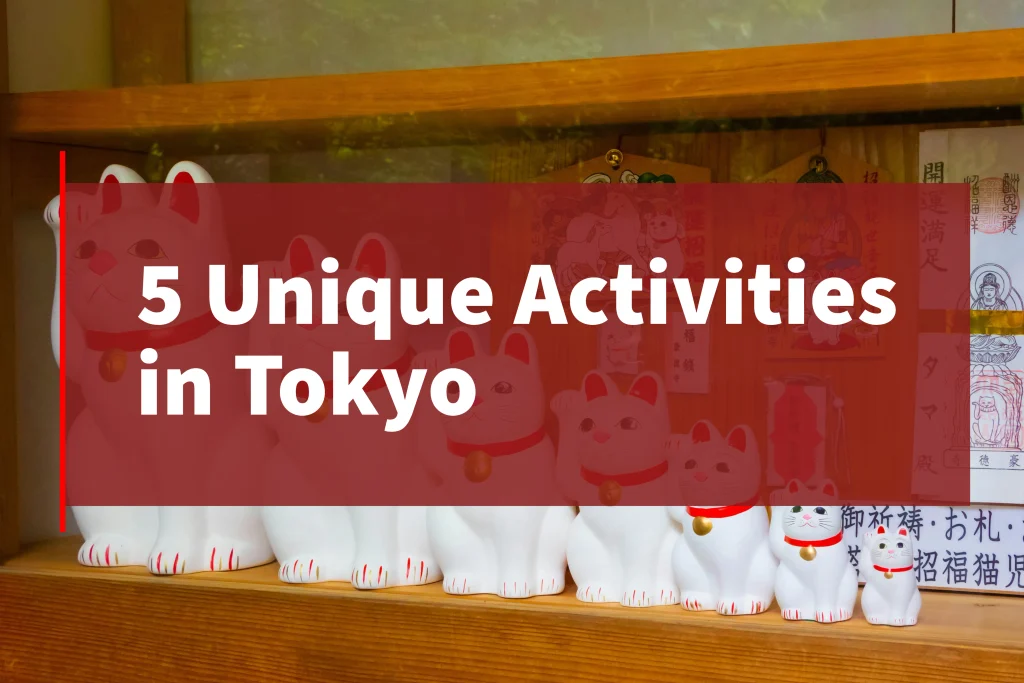
Tokyo offers more than famous landmarks, shopping streets, and popular tourist attractions. If you’re looking for something different, trying a hands-on Japanese cultural experience is a great way to discover another side of the city.
From painting traditional Japanese fans and cutting decorative glass to making fabric sandals, exploring maki-e art, and learning Japanese home cooking, Tokyo offers plenty of opportunities to get creative. Here are five unique activities in Tokyo where you can learn traditional skills, experience Japanese culture firsthand, and create something memorable to take home.
- 1. Ibasen – Paint Your Own Japanese Folding Fan
- 2. Sumida Edo Kiriko Kan – Try Traditional Japanese Glass Cutting
- 3. MERI – Make Your Own Japanese Fabric Zori Sandals
- 4. Nihonbashi MUTOH Honten – Discover Traditional Japanese Maki-e Art
- 5. YUCa's Japanese Cooking – Learn Japanese Home Cooking
- How to Choose the Right Hands-On Experience in Tokyo
- Final Thoughts
1. Ibasen – Paint Your Own Japanese Folding Fan
Founded in 1590, Ibasen is a long-established Japanese fan shop in Nihonbashi, Tokyo. For more than 430 years, it has preserved the traditions of Japanese folding fans (sensu) and flat fans (uchiwa). During the Edo period, Ibasen was also involved in publishing ukiyo-e woodblock prints, connecting the shop to Japan’s rich artistic heritage.
At Ibasen’s fan-painting workshop, visitors can create their own designs on a traditional Japanese fan. Participants can sketch ideas on washi paper and decorate their fans using brush pens, paints, stamps, a variety of design stencils, and other materials, with guidance from the staff.
No previous painting experience is needed, and English support is available. Once the artwork has dried, visitors can take their personalized fan home as a handmade souvenir from Tokyo.
| Information | Details |
|---|---|
| Location | 4-1 Nihonbashi-Kobunacho, Chuo-ku, Tokyo |
| Duration | 60–90 minutes |
| Price | From ¥4,400 per person (including materials and tax) |
| Language | Japanese and English |
| Participants | 1–20 people |
| Booking | Advance inquiry or reservation required; availability varies |
| Official Website | Ibasen Workshop |
2. Sumida Edo Kiriko Kan – Try Traditional Japanese Glass Cutting
Located in Sumida, Tokyo, Sumida Edo Kiriko Kan is a workshop and specialty shop dedicated to Edo Kiriko, a traditional Japanese glass-cutting craft that dates back to the Edo period (1603–1868). Recognized by Sumida City, the workshop showcases handcrafted glassware, traditional tools, and the techniques passed down through generations of skilled artisans.
Visitors can experience this craftsmanship firsthand by creating their own Edo Kiriko drinking glass. The 90-minute workshop begins with an introduction to the cutting equipment, followed by choosing a glass and practicing the technique. Participants then use a rotating grinding wheel to carve designs of their choice into their drinking glass, creating a unique design they can take home.
The shop also displays and sells works by experienced craftspeople, offering visitors a closer look at the precision and artistry behind Edo Kiriko. It’s a memorable hands-on experience for anyone interested in Japanese craftsmanship and a chance to bring home something they created themselves.
| Information | Details |
|---|---|
| Location | 2-10-9 Taihei, Sumida-ku, Tokyo |
| Duration | 90 minutes |
| Price | ¥5,500 per adult (including tax and materials) |
| Language | Japanese and English |
| Participants | Up to 4 per session |
| Booking | Advance reservation required |
| Official Website | Sumida Edo Kiriko Kan – Workshop |
3. MERI – Make Your Own Japanese Fabric Zori Sandals
Located in Ryogoku, Tokyo, MERI is a specialty shop dedicated to nuno-zori, traditional Japanese sandals made from braided cords. The brand combines Japan’s long-standing footwear traditions with modern designs, using soft knitted materials and colorful patterns to create comfortable slippers for everyday use. Each pair of MERI slippers is handcrafted by skilled artisans, reflecting the textile craftsmanship of Tokyo’s Sumida district.
At MERI’s hands-on workshop, visitors can create their own pair of fabric zori sandals by choosing from more than ten fabric colors and a variety of strap patterns. Experienced instructors guide participants through the weaving process, making the experience accessible even to complete beginners.
Workshops are limited to four participants, allowing everyone to receive individual attention. English-speaking staff are available, and all necessary materials and tools are provided. After approximately three hours, visitors can take home their handmade sandals—a practical souvenir that brings a piece of Japanese craftsmanship into everyday life.
| Information | Details |
|---|---|
| Location | 1-11-8 Kamezawa, Sumida-ku, Tokyo |
| Duration | Approximately 3 hours |
| Price | ¥11,000 per person |
| Language | Japanese; English-speaking staff available |
| Participants | Maximum 4 per workshop |
| Booking | Advance reservation required |
| Official Website | MERI – Workshop |
4. Nihonbashi MUTOH Honten – Discover Traditional Japanese Maki-e Art
Founded in 1923, Nihonbashi MUTOH Honten is a traditional Japanese crafts shop in Nihonbashi, Tokyo. Originally established as a wholesaler supplying department stores, the company now offers hands-on workshops where visitors can explore Japanese decorative arts, including maki-e, kintsugi, and gold leaf decoration.
Maki-e is a traditional Japanese lacquerware technique in which decorative patterns are created by sprinkling gold, silver, or other metallic powders onto painted designs. At
Nihonbashi MUTOH Honten, visitors can experience this art by selecting an item, such as a tray, cup, or small dish, and decorating it with their own patterns.
During the approximately 90-minute workshop, instructors guide participants through choosing a design, painting it, and applying metallic powders. Beginners can use prepared stencils, making the activity accessible even without artistic experience. The workshop uses a lacquer substitute rather than traditional urushi lacquer, allowing participants to explore the decorative technique without handling raw lacquer.
Once finished, visitors can take home their personalized creation as a souvenir of Japanese craftsmanship.
| Information | Details |
|---|---|
| Location | 1-8-13 Nihonbashi-Honcho, Chuo-ku, Tokyo |
| Duration | Approximately 90 minutes |
| Price | ¥6,600 per person (standard workshop); ¥14,850 per person for the international visitor plan, including interpretation and cultural explanations. Material-related charges may apply. |
| Language | Japanese; English, French, and Mandarin support available by advance arrangement |
| Participants | 1–36 participants per session; groups over 9 should inquire in advance |
| Booking | Advance reservation required |
| Official Website | Nihonbashi MUTOH Honten – Maki-e Workshop |
5. YUCa’s Japanese Cooking – Learn Japanese Home Cooking
Located in the Nishiogu neighborhood of Tokyo, YUCa’s Japanese Cooking offers hands-on cooking classes where visitors can discover the flavors and traditions of Japanese home cooking. Founded by Japanese cooking instructor YUCa, the school welcomes international travelers into a private kitchen studio, creating a relaxed, personal setting for learning about Japan’s food culture.
Visitors can choose from various classes, including ramen and gyoza, okonomiyaki, sushi, tempura, Japanese bento, and traditional sweets. Each lesson focuses on preparing dishes from scratch while learning about Japanese ingredients, cooking techniques, and the cultural background of the food.
Classes are conducted entirely in English and typically last around two and a half hours. With small groups of approximately six participants, guests receive personal guidance throughout the cooking process. After preparing their dishes, participants can enjoy the meal they have made and take home recipes to recreate the flavors of Japan.
The experience also includes a visit to a local supermarket, offering a closer look at everyday Japanese food culture.
| Information | Details |
|---|---|
| Location | 2-34-8 Nishiogu, Arakawa-ku, Tokyo |
| Duration | Approximately 2.5 hours, followed by a local supermarket visit |
| Price | Ramen & Gyoza Class: ¥16,500 per person (including 10% VAT). Prices may vary depending on the time of year. |
| Language | English |
| Participants | Small groups, typically around 6 guests |
| Booking | Advance online reservation required |
| Official Website | YUCa’s Japanese Cooking – Classes & Booking |
How to Choose the Right Hands-On Experience in Tokyo
Before booking a hands-on activity in Tokyo, consider how much time you can spend, whether English support is available, and what you’ll be making during the workshop.
Some activities take around 60–90 minutes and can fit easily into a day of sightseeing. Others, such as fabric sandal making or cooking classes, require more time, so it’s worth planning your schedule in advance.
Language support is another important factor. While some workshops offer instruction in English, others may require advance arrangements for interpretation. It’s also worth checking age restrictions, group sizes, and whether you can take your finished creation home the same day.
Finally, book directly through each workshop’s official website whenever possible, and confirm the latest prices and availability before your visit.
Final Thoughts
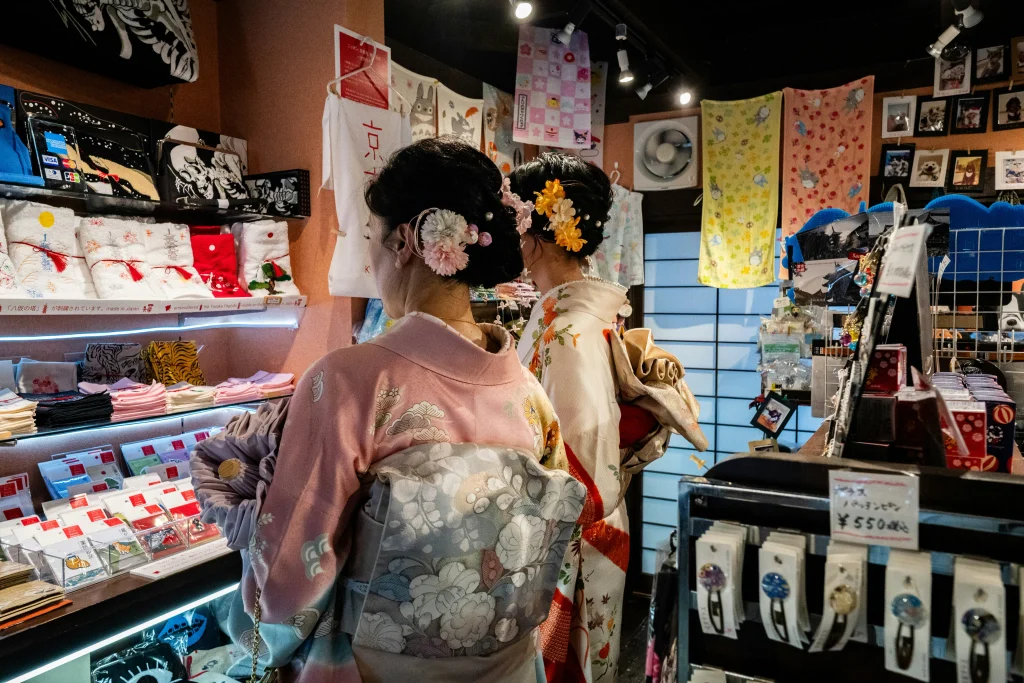
Tokyo has countless places to explore, but some of the most memorable experiences come from trying something yourself. Painting a Japanese fan, learning traditional craftsmanship, or preparing a homemade Japanese meal offers a different way to connect with the country’s culture.
At RENTAL JAPANESE, we help international visitors explore Japan with local Japanese guides. Through our work, we’ve seen how valuable it can be for travelers to interact with local people, ask questions, and experience Japanese culture beyond the usual sightseeing spots.
Each of these five activities offers something different, so choose the one that interests you most. You don’t need a guide to enjoy every experience, but if you’d like help with language barriers, reservations, or exploring the surrounding neighborhoods, having a local Japanese companion can make your day in Tokyo easier and more personal.
5 Unique Activities in Tokyo: Hands-On Japanese Experiences

5 Best Japanese Souvenirs in Tokyo: Unique Gifts to Buy
5 Best Cultural Experiences in Asakusa, Tokyo
Founder of Rental Japanese / Tokyo-based
Guided 500+ guests from more than 30 countries.
Specializes in customized private tours, local bar hopping, onsen experiences, and flexible Tokyo day trips with English support.
All information in this article is based on real on-the-ground guiding experience in Tokyo.