
eSIM Japan tips Matcha Nightlife onsen private tour solo trip travel buddy

If you are visiting Japan, you might wonder whether you should tip or not. In many countries, tipping is expected, but Japan has a very different culture. This can be confusing for first-time visitors who want to be polite and respectful.
In this guide, you will learn whether tipping is expected, why it can feel unusual, and what you should do instead. Understanding this will help you avoid awkward situations and enjoy a smoother experience in Japan.
Is Tipping Rude in Japan?
Tipping is not necessarily rude in Japan, but it is generally not expected and can feel unusual.
In Japanese culture, excellent service is considered standard and is already included in the price, so leaving extra money may cause confusion or awkwardness. Some people might accept a tip, but many will politely refuse or try to return it, as they take pride in providing high-quality service without expecting additional rewards.
In most situations, you do not need to tip in Japan. A simple “thank you” is the most appropriate and appreciated way to show respect.
→According to official tourism guidance in Japan, tipping is generally not expected.
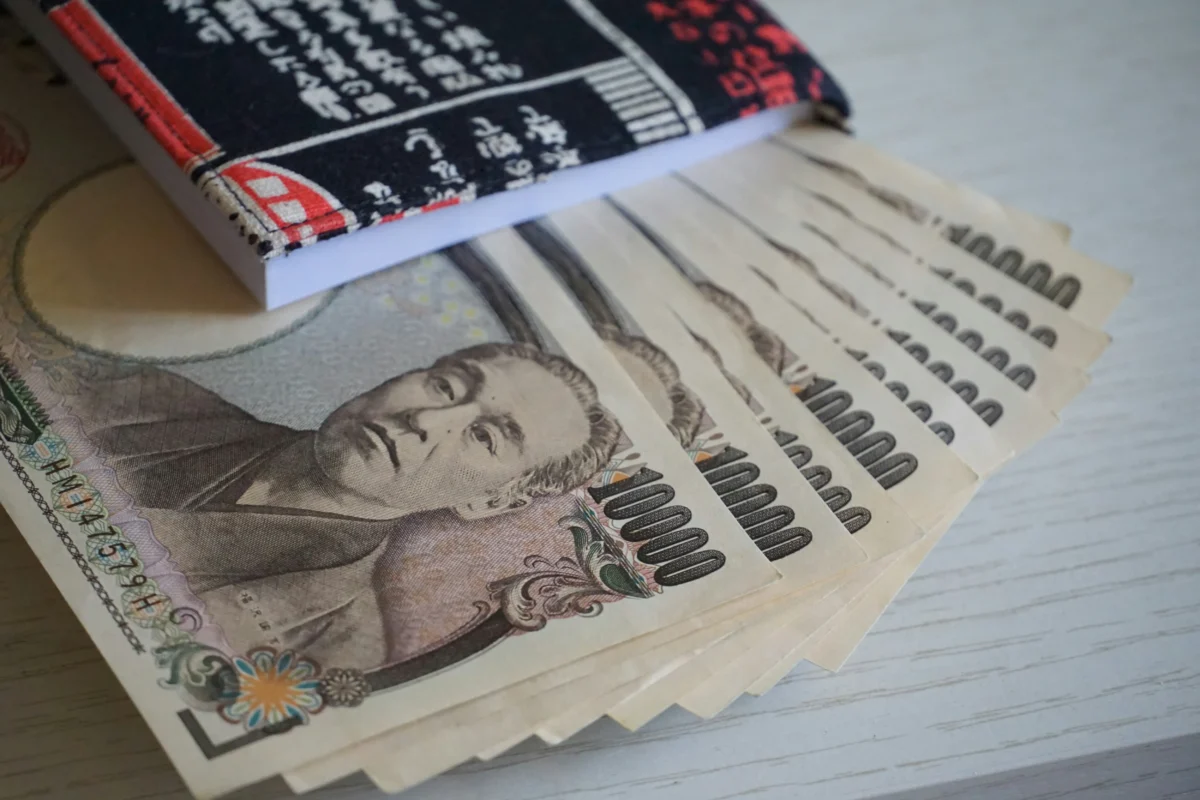
Why Is Tipping Rude in Japan?
Tipping is not necessarily rude in Japan, but it is not part of the culture.
In Japan, excellent service is expected and already included in the price, so leaving extra money can feel unusual or unnecessary. While some places have started introducing tip boxes, especially in tourist areas, tipping is still not common in everyday situations.
Cultural Reason: Omotenashi (Japanese Hospitality)
Japanese service is based on omotenashi, meaning sincere hospitality without expecting anything in return. Because of this, staff may feel uncomfortable accepting tips, as good service is seen as the standard for everyone.
No Tipping Culture in Pricing System
Prices in Japan already include service. Workers are paid stable wages, so customers are not expected to add extra money like in tipping cultures.
Why It Can Feel Awkward
Tipping can feel awkward because it is unfamiliar. Staff may be confused, politely refuse, or try to return the money. In some places, employees are even instructed not to accept tips, so it is helpful to understand this in advance.

What Happens If You Tip in Japan?
If you tip in Japan, the most common outcome is that staff will politely refuse or try to return the money. Tipping is not part of everyday culture, so it may feel unexpected for them. In some places, employees are instructed not to accept tips, which is why they may decline it.
That said, tipping is not forbidden. In certain situations, especially with private guides or when you are truly satisfied, your tip may be accepted.
However, you do not need to tip in Japan. A sincere thank you is usually more than enough to show your appreciation.
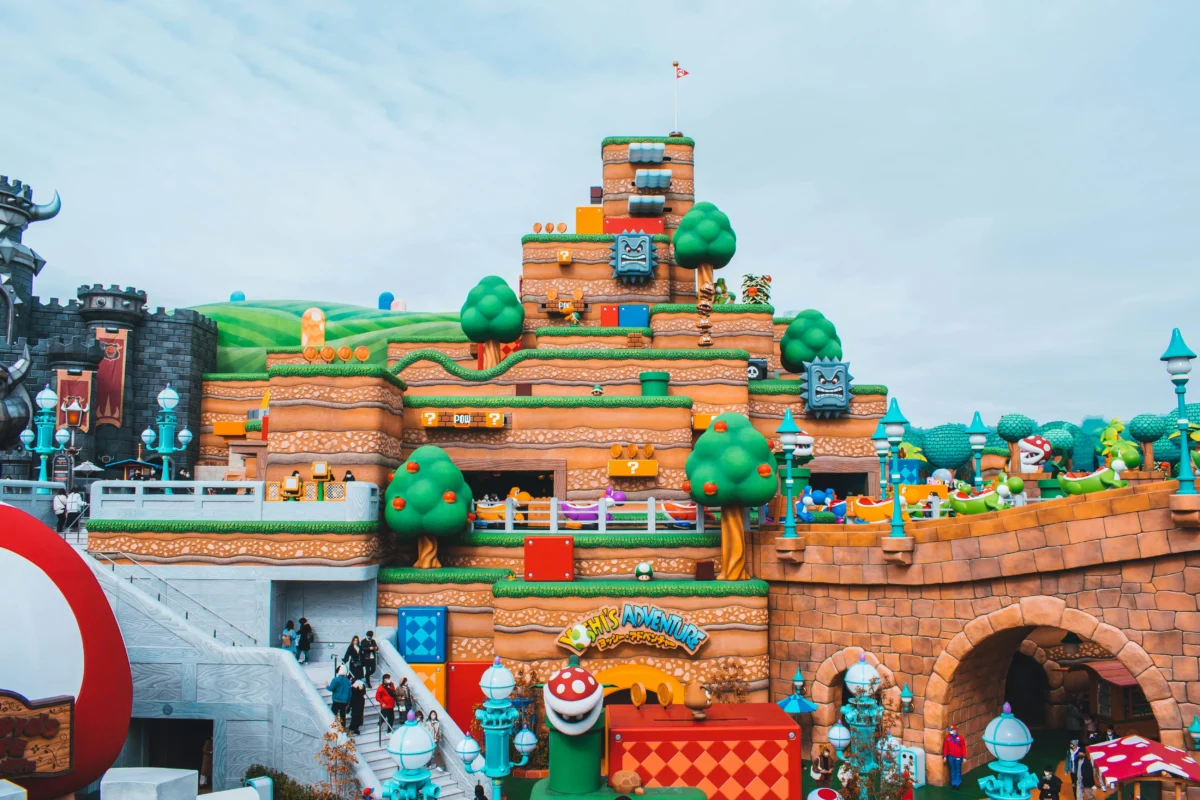
Do You Tip in Japan? Situations Explained
Tipping in Japan depends on the situation, but it is generally not expected. In restaurants, cafes, and bars, you can offer a tip, but many staff may politely refuse or feel uncomfortable accepting it. In hotels, rules are often stricter, and employees may not be allowed to accept tips.
For tour guides and private experiences, it depends on the company or individual. Some may accept tips, especially if you are very satisfied, while others may decline, so it is best to ask in advance if you are unsure.
Restaurants, Cafes, and Bars
Tipping is not required in restaurants, cafes, or bars in Japan. You can offer a tip if you wish, but many staff may feel uncomfortable or politely refuse it. Since service is already included in the price, leaving extra money is not expected in most situations.
Taxis and Hotels
Tipping is not expected for taxis or hotels. In particular, hotel staff are often not allowed to accept tips due to company rules. Because of this, they may decline or return the money even if you offer it.
Tour Guides and Private Experiences
Tipping for tour guides depends on the company or individual. Some guides may accept tips, especially in private experiences or when you are truly satisfied, while others may decline. If you are unsure, it is best to ask in advance.
If you want to experience Japan more like a local, you can join a private tour with a Japanese guide who understands the culture and small details like this.
When Is Tipping Acceptable in Japan?
Tipping is generally not expected in Japan, but there are a few situations where it may be accepted. These are usually more traditional or personalized services where appreciation is expressed in a different way.
Even in these cases, tipping is optional, and it is always best to be respectful of the situation and the rules of the place.
Ryokan and Traditional Settings
In traditional ryokan, tipping may be accepted in some cases, especially when given in an envelope as a gesture of appreciation. However, it is not required, and many places no longer expect it.
Private Guides
For private guides or personalized experiences, tipping may be accepted, especially if you are very satisfied with the service. However, this depends on the guide or company, so it is best to ask in advance.
Special Situations (High-End Service)
In high-end or luxury services, tipping may sometimes be accepted, but it is still not a standard practice. Service charges are often already included, so tipping is optional rather than expected.
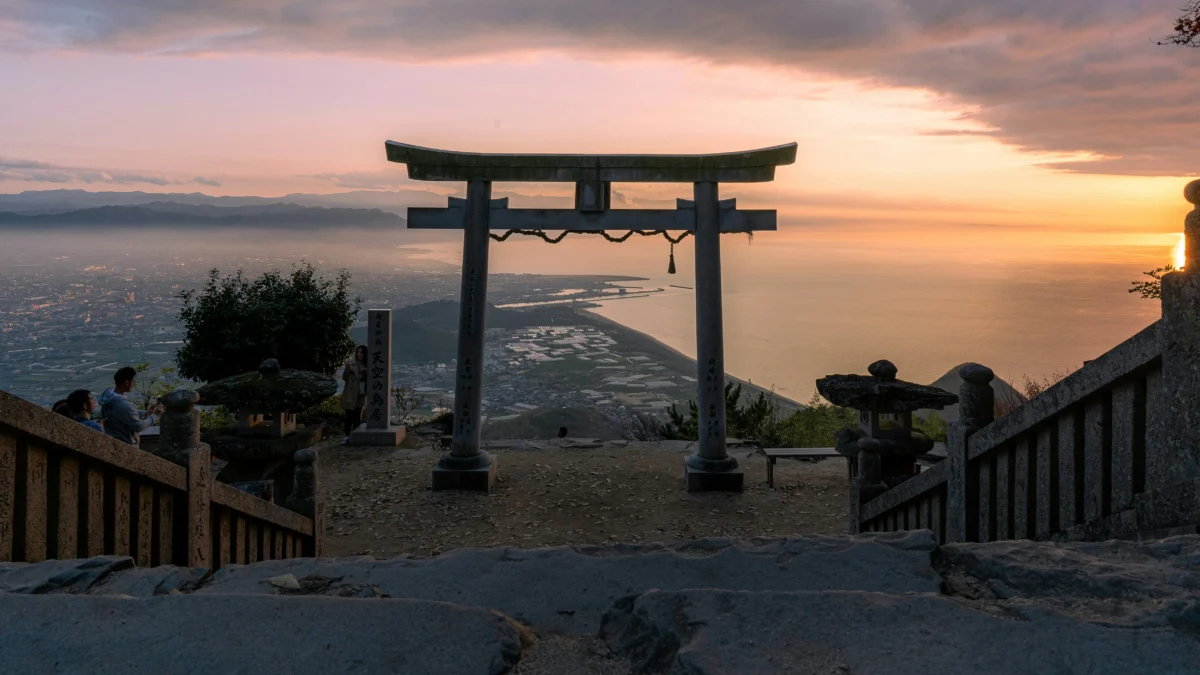
What to Do Instead of Tipping in Japan
Instead of tipping in Japan, there are better and more natural ways to show appreciation. A sincere thank you, a smile, and respectful behavior are highly valued and often mean more than money.
If you receive great service, leaving a positive review or recommending the place to others is also a meaningful way to show your gratitude. In many cases, this can have a bigger impact than giving a tip.
→Do you need Japanese to travel in Japan?

Final Thoughts: Understanding Japan’s No-Tipping Culture
In my opinion, tipping in Japan is slowly changing, but the core culture remains the same. I feel that more places, especially restaurants and tours, have started introducing tip boxes or optional tipping systems in recent years.
I have also seen that when you give a tip, some staff may genuinely appreciate it, especially since wages in Japan can be relatively low. In those moments, tipping can feel like a kind and positive gesture.
At the same time, I think it is important to understand that many parts of Japanese culture are still traditional. Company rules can be strict, and some people may choose not to accept tips out of professionalism or personal values.
Because of this, the best approach is to respect the situation. You can offer a tip if you truly feel satisfied, but it is also completely normal not to tip at all in Japan.
If you want to truly understand Japanese culture and experience it beyond typical tourist spots, exploring Japan with a local guide can make your trip more personal and memorable.
FAQ About Tipping in Japan
eSIM Japan tips Matcha Nightlife onsen private tour solo trip travel buddy

Things to Do in Tokyo with Teens: 15 Ideas They’ll Love

Kyoto Private Tour with Kids: Best Options for Families

Is Kyoto Worth Visiting? An Honest Guide for Your Japan Trip

Founder of Rental Japanese / Tokyo-based
Guided 500+ guests from more than 30 countries.
Specializes in customized private tours, local bar hopping, onsen experiences, and flexible Tokyo day trips with English support.
All information in this article is based on real on-the-ground guiding experience in Tokyo.