
Traveling alone in Japan sounds exciting, but it also raises a common question: is a solo trip to Japan actually worth it, or will it feel lonely?
If you’re planning a solo trip to Japan, you’re probably wondering about safety, daily experiences, and whether traveling alone will limit your enjoyment. Japan is known as one of the safest countries for solo travelers, including women, and it’s easy to get around even without speaking Japanese.
However, what many guides don’t explain is what solo travel in Japan really feels like on an emotional level. This article breaks down the reality of traveling alone in Japan, helping you decide if it’s the right choice for you.
- Why People Worry About a Solo Trip to Japan
- Is Japan Really Good for Solo Travelers? (Female & Male)
- What Traveling Alone in Japan Actually Feels Like
- Will You Feel Lonely on a Solo Trip to Japan?
- How Solo Travelers in Japan Naturally Meet People
- Solo Trip Japan Itinerary (7–14 Days, Realistic Pace)
- How Much Does a Solo Trip to Japan Cost?
- Final Thoughts
- FAQs About Solo Trips to Japan
Why People Worry About a Solo Trip to Japan
Many travelers feel uncertain about taking a solo trip to Japan, especially if it’s their first time traveling alone. Japan is often seen as quiet and reserved, which makes some people worry that traveling solo might feel isolating. Common concerns include eating alone, navigating cities without speaking Japanese, or spending long days without meaningful interaction.
Searches on forums like Reddit show that many solo travelers fear their experience might be less enjoyable without someone to share it with. These worries aren’t really about Japan itself, but about not knowing how social connection works in a different culture. When expectations don’t match reality, even a well-planned solo trip can feel more stressful than exciting.
Is Japan Really Good for Solo Travelers? (Female & Male)
Japan is often described as one of the easiest countries in the world for solo travelers. Public transportation is reliable, cities are well organized, and doing things alone such as eating, shopping, or sightseeing is socially normal. This makes solo travel in Japan feel less intimidating than in many other destinations.
That said, the experience can differ slightly depending on whether you are traveling as a woman or a man. Safety concerns, social expectations, and how interactions happen can feel different, so understanding these differences helps solo travelers feel more prepared and confident.
According to the Japan National Tourism Organization, Japan is widely considered one of the safest destinations for international travelers, including those traveling alone.
→Japan National Tourism Organization
Is Japan Safe for Solo Female Travelers?
Japan is generally very safe for solo female travelers, including those visiting for the first time. Serious crime is rare, streets are well lit, and public transportation is easy to use even at night. Many women travel alone in Japan without experiencing major problems.
However, it is important to be realistic. Minor harassment, such as unwanted attention on crowded trains, can happen. This is one reason women only train cars exist in larger cities. Most solo female travelers feel comfortable by staying aware of their surroundings, choosing accommodations carefully, and avoiding extremely crowded late night trains. Overall, Japan remains one of the safest countries for women traveling alone.
In major cities, Tokyo Metro officially operates women only train cars during peak hours as a practical response to crowded train conditions.
→Tokyo Metro officially operates women only train cars
What About Men Traveling Alone in Japan?
Men traveling alone in Japan usually have very few safety concerns. Walking alone at night, using public transportation, and dining alone are all common and socially accepted. Japanese cities are used to people spending time by themselves, so solo male travelers rarely feel out of place.
That said, some men are surprised by how quiet solo travel in Japan can feel. While safety is rarely an issue, social interaction does not happen automatically. Japan places a strong value on personal space, so conversations with strangers are less common unless you are in places like bars, shared activities, or group settings.
Real Safety Concerns People Don’t Talk About
While Japan is widely considered safe for solo travelers, there are a few practical safety concerns that are rarely discussed. The most common issues are not violent crime but small inconveniences that can feel stressful when traveling alone. Overcrowded trains during rush hour can be uncomfortable, especially for first time visitors. Late night drinking areas may attract pushy touts, particularly around entertainment districts.
Another concern is overconfidence. Because Japan feels safe, some travelers let their guard down too much, such as leaving belongings unattended or assuming every situation is risk free. Solo travelers who stay aware, trust their instincts, and avoid overly aggressive nightlife areas usually experience very few problems.
What Traveling Alone in Japan Actually Feels Like
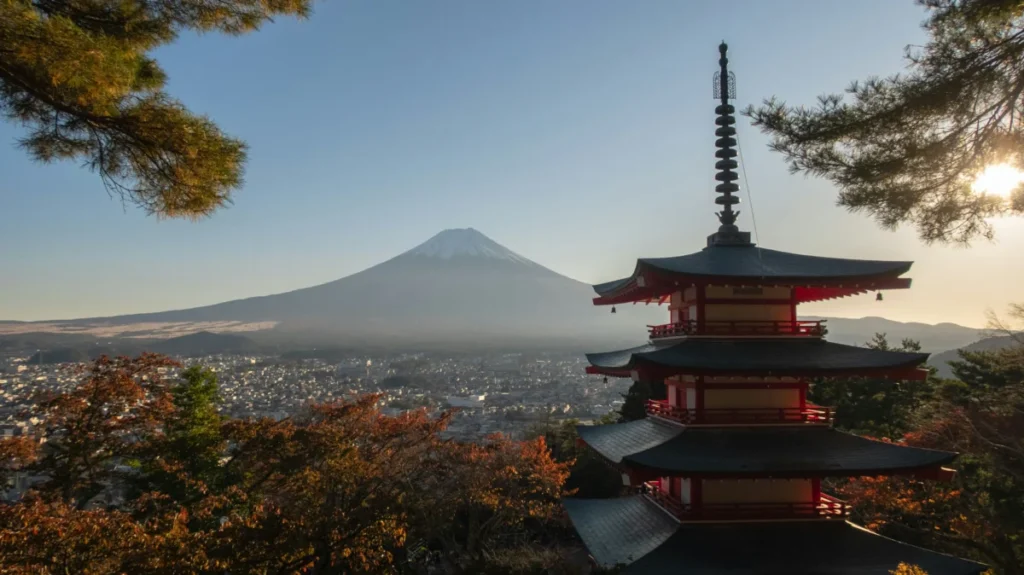
Traveling alone in Japan feels quieter than many people expect, but not in a negative way. Cities are busy and crowded, yet personal space is respected, so being alone rarely feels awkward. Eating alone, taking trains alone, or spending hours exploring neighborhoods by yourself is completely normal.
Many solo travelers describe the experience as calm and mentally freeing. There is less pressure to talk, perform, or constantly interact. At the same time, this quiet can surprise travelers who are used to more social destinations. Conversations with strangers do not happen automatically, and moments of silence are common.
Rather than feeling isolating, solo travel in Japan often feels reflective. It allows travelers to move at their own pace, notice small details, and experience daily life more deeply, as long as expectations are aligned with this cultural rhythm.
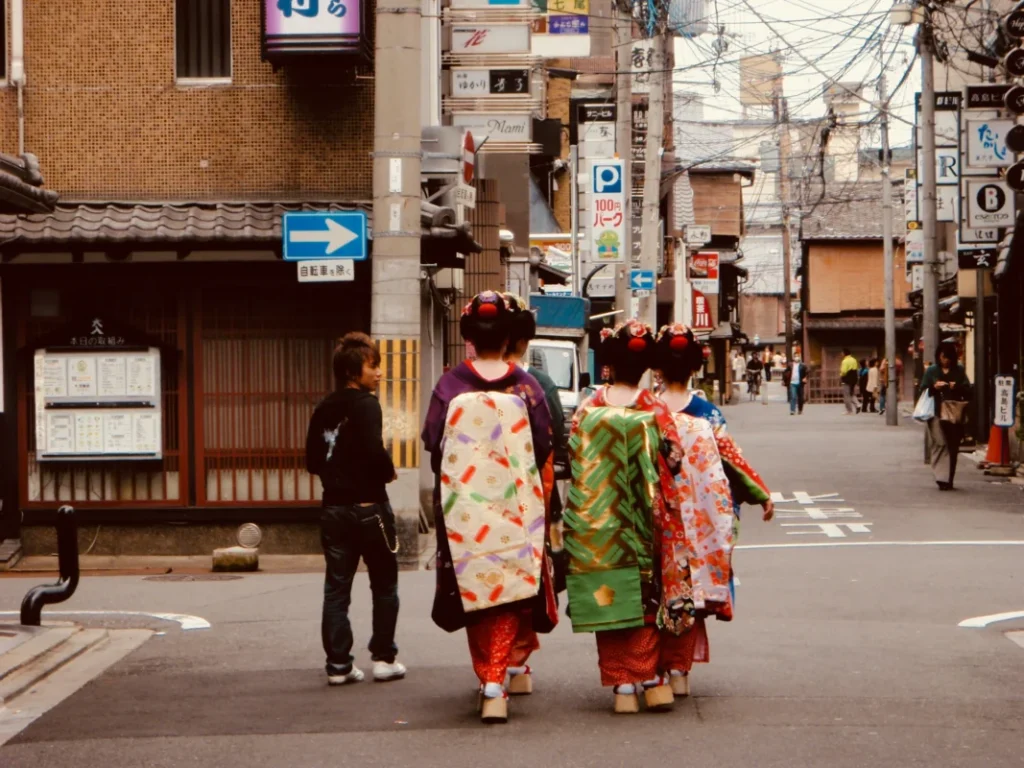
From a Japanese perspective, seeing people travel alone is very normal. Many locals spend time alone after work or on weekends, so solo travelers rarely stand out or feel judged.
Will You Feel Lonely on a Solo Trip to Japan?
Feeling lonely on a solo trip to Japan is possible, but it is not constant and it is not inevitable. Many travelers feel most lonely during specific moments, such as eating dinner alone at night or returning to their accommodation after a full day of sightseeing. Japan’s quiet social style can make these moments more noticeable.
However, loneliness during solo travel in Japan is usually situational rather than emotional. It often comes from unfamiliar routines, not from a lack of friendliness. During the day, the freedom to explore at your own pace feels refreshing. Over time, many solo travelers adjust and begin to appreciate the calm and independence.
Those who expect constant social interaction may struggle more, while travelers who value personal space often find Japan surprisingly comfortable for solo travel.
How Solo Travelers in Japan Naturally Meet People
Meeting people in Japan as a solo traveler often happens in quieter and more subtle ways than in other countries. Social interaction is usually context based rather than spontaneous, which means it feels more natural when it happens. Instead of striking up conversations on the street, solo travelers tend to connect with others in specific environments where interaction is expected. Understanding where and when conversation feels normal in Japan helps solo travelers avoid awkward moments while still enjoying meaningful connections during their trip.
Places Where Talking to Strangers Is Normal in Japan
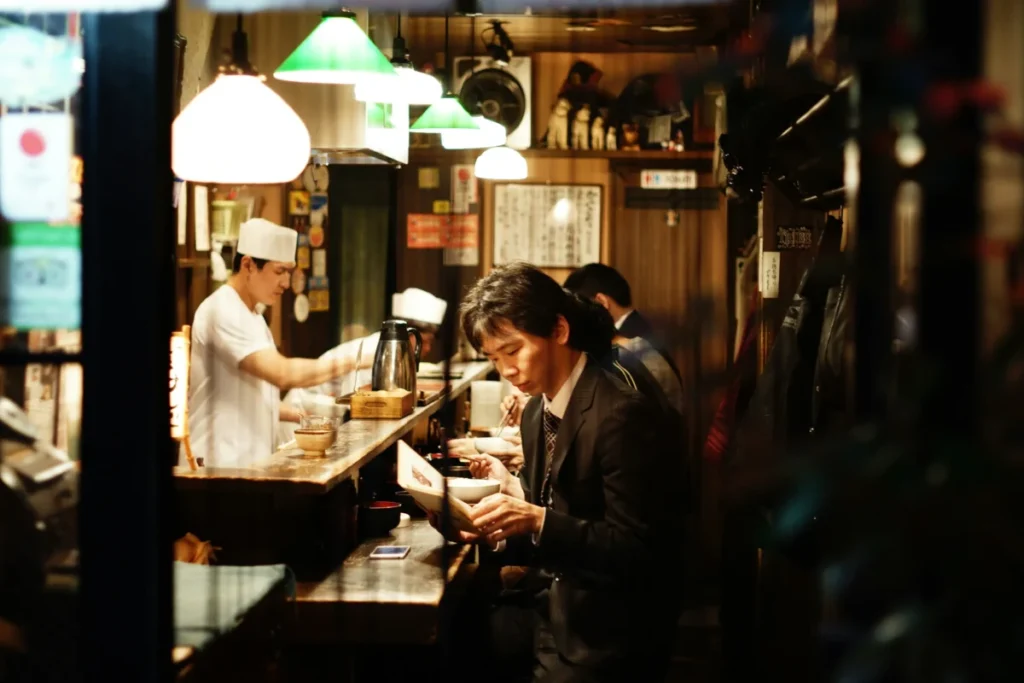
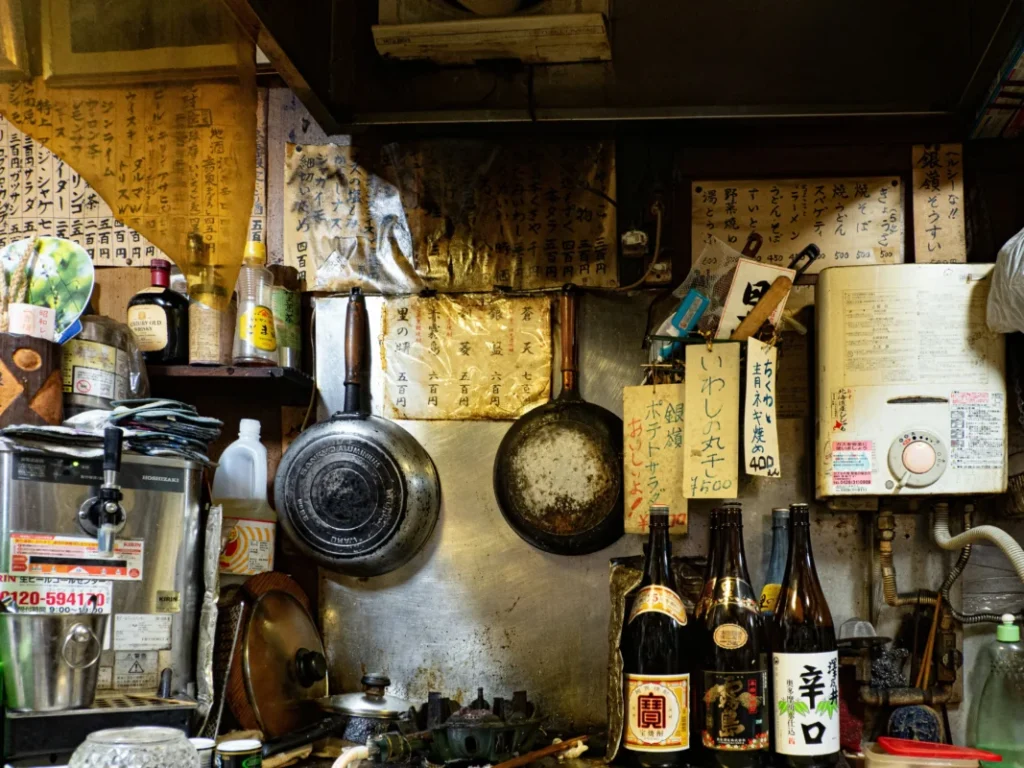
In Japan, certain places make talking to strangers feel natural and acceptable. Small local bars, izakaya with counter seating, and standing bars often encourage light conversation, especially in the evening. Guests sit close together, and short exchanges with staff or nearby customers are common. Shared experiences such as food, drinks, or waiting for service make interaction feel easy.
Another setting is guided activities or workshops, where conversation has a clear purpose. In these environments, solo travelers can interact without feeling intrusive, since participation itself creates a natural reason to talk.
When Having a Local Makes Solo Travel Easier
While solo travel in Japan works well independently, having a local connection can make certain moments smoother. Simple things like understanding unspoken rules, choosing the right places to visit, or knowing where conversation feels welcome can reduce uncertainty. A local presence can also help solo travelers feel more relaxed in social settings, especially at night or in unfamiliar neighborhoods.
This does not mean constant companionship is necessary. Even short periods of local guidance can help solo travelers feel more confident and comfortable, allowing them to enjoy independence without feeling disconnected from the culture around them.
Traveling solo does not mean you have to do everything alone.
A local Japanese guide can help you feel comfortable accessing nightlife, small bars, and local spots that are easier to enjoy with someone who knows the area.
Solo Trip Japan Itinerary (7–14 Days, Realistic Pace)
A solo trip to Japan works best when the itinerary leaves room to slow down. Traveling alone allows flexibility, but moving too quickly can feel exhausting without someone to share decisions with. A realistic pace helps solo travelers stay energized, notice details, and enjoy everyday moments. The itineraries below focus on fewer cities, simple transportation routes, and time to explore neighborhoods without pressure. Both plans are designed for first time solo travelers who want a balance of sightseeing, rest, and personal freedom.
Japan’s rail system makes solo travel simple, even for first time visitors.
The JR Group provides clear route maps, schedules, and fare information, making it easy to move between cities without stress.
→JR Group provides clear route maps, schedules, and fare information
7 Day Solo Trip Japan Itinerary
A seven day solo trip to Japan is ideal for first time visitors who want a smooth introduction. Start with three to four days in Tokyo to explore different neighborhoods, enjoy food culture, and adjust to the rhythm of solo travel. Include one day trip to a nearby area such as Kamakura or Hakone for a change of scenery.
Finish with two to three days in Kyoto, focusing on walkable areas like Gion and Higashiyama. This pace avoids constant packing and long train rides, which can feel tiring when traveling alone. It allows solo travelers to feel comfortable, oriented, and relaxed without rushing through the experience.
14 Day Solo Trip Japan Itinerary
A fourteen day solo trip to Japan allows for a deeper and more relaxed experience. Begin with four to five days in Tokyo, mixing sightseeing with quiet exploration. Add a short regional stop such as Kanazawa, Takayama, or a countryside onsen town to experience a slower side of Japan.
Spend three to four days in Kyoto, allowing time for temples, local streets, and unplanned moments. From there, consider Osaka or Hiroshima for a contrasting atmosphere before returning to Tokyo. With more time, solo travelers can adjust their pace naturally, recover from travel fatigue, and enjoy Japan without feeling constantly on the move.
How Much Does a Solo Trip to Japan Cost?
The cost of a solo trip to Japan depends on travel style, but it is often more flexible than people expect. Traveling alone makes it easier to control daily spending, since you choose where to eat, how fast to move, and when to rest. Japan can feel expensive at first glance, but reliable public transport, affordable meals, and a wide range of accommodation options make budgeting manageable. Understanding daily costs helps solo travelers plan realistically and avoid unnecessary stress before the trip begins.
Daily Budget for a Solo Trip to Japan
When planning a solo trip to Japan, many travelers want to know the total cost including flights and accommodation. While prices vary by season and departure country, a realistic estimate helps set expectations.
For a seven day solo trip to Japan, international flights typically range from 100,000 to 180,000 yen, depending on where you fly from and how early you book. Accommodation for seven nights in a private room usually costs 70,000 to 110,000 yen, based on location and comfort level. Daily expenses such as transportation, food, and activities often add another 90,000 to 130,000 yen.
In total, a realistic all inclusive budget for a seven day solo trip to Japan is around 260,000 to 420,000 yen.
Your Attractive Heading
For a seven day solo trip to Japan, total costs including accommodation, transportation, food, and activities usually range from 260,000 to 420,000 yen. Shorter trips often feel more expensive on a daily basis because travelers move faster, change cities more frequently, and have less time to settle into a routine.
For a fourteen day solo trip, total costs typically fall between 380,000 and 600,000 yen. While the overall budget is higher, the daily cost often becomes lower. Longer stays allow travelers to slow down, reduce transportation expenses, and choose better value accommodations.
Many solo travelers find that extending their trip improves overall value, as the experience feels less rushed and daily spending becomes more predictable without significantly increasing costs.
Final Thoughts
In my opinion, a solo trip to Japan is absolutely worth it, but only if you understand what kind of experience you are stepping into. From what I have seen and felt living in Japan and meeting solo travelers regularly, Japan is not a place that constantly pushes social interaction. Instead, it gives you space.
I think this is why solo travel here can feel either deeply rewarding or quietly challenging, depending on expectations. If you enjoy independence, calm moments, and moving at your own pace, Japan works incredibly well for solo travel. If you expect constant conversation or shared excitement, you may feel lonely at times.
In my experience, the most satisfied solo travelers are those who accept both sides. They enjoy the freedom of being alone while finding small, meaningful connections along the way. Japan does not make solo travel harder. It simply makes it more honest.
Solo travel in Japan gives you freedom.
At night, that freedom can feel more comfortable with a local connection.
A Japanese guide can help you access local nightlife and places you might avoid alone.
FAQs About Solo Trips to Japan
Things to Do in Tokyo with Teens: 15 Ideas They’ll Love

Is a Private Tour in Tokyo Worth It? Cost & Guide Tips

Japan Tours for Seniors & Elderly Travelers: Private Guide
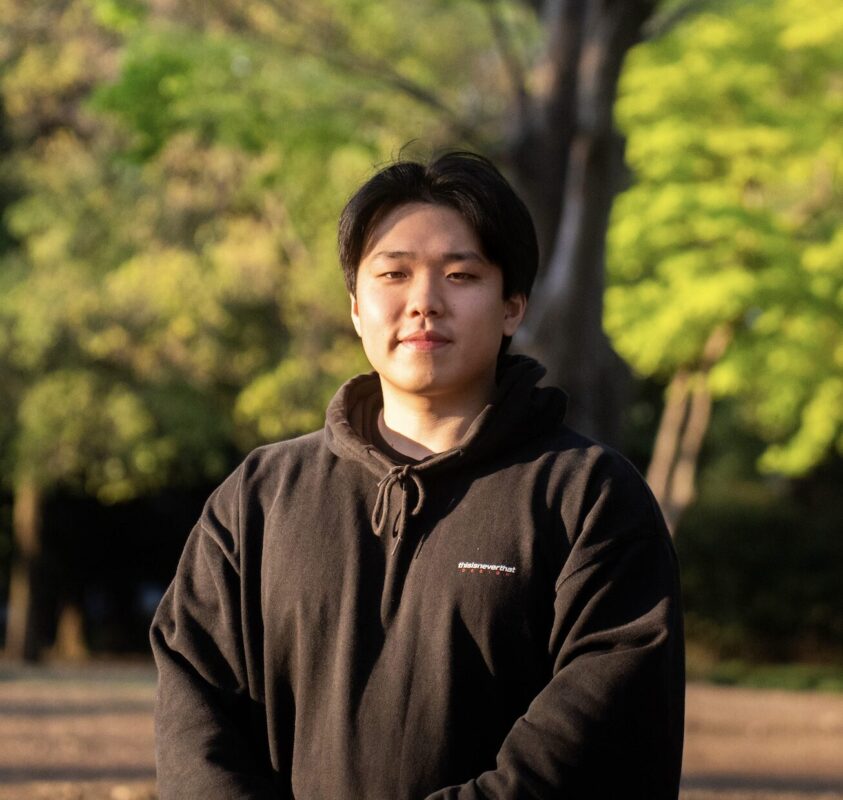
Founder of Rental Japanese / Tokyo-based
Guided 500+ guests from more than 30 countries.
Specializes in customized private tours, local bar hopping, onsen experiences, and flexible Tokyo day trips with English support.
All information in this article is based on real on-the-ground guiding experience in Tokyo.