
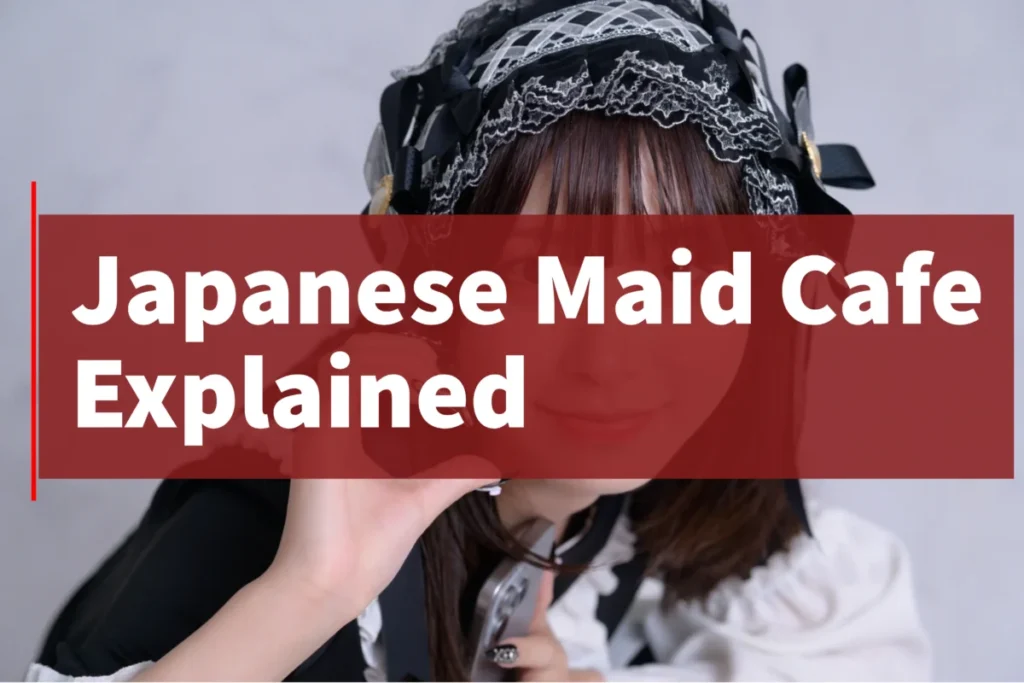
Japanese maid cafes are one of the most misunderstood experiences in Japan. Many travelers imagine something based on anime or assume it is uncomfortable or inappropriate, but the reality is very different. This guide explains what a Japanese maid cafe actually is, how the system works, and what rules guests are expected to follow. You will learn what kind of food is served, how much it typically costs, and whether maid cafes in Tokyo are safe and family friendly. By understanding the culture and etiquette in advance, you can decide if visiting a maid cafe fits your travel style and enjoy the experience with confidence.
What Is a Japanese Maid Cafe?
A Japanese maid cafe is a themed café in Japan where staff dressed as maids serve food and drinks while playing clearly defined hospitality roles. Guests are welcomed as “masters” or “ladies” of a fictional home, creating a lighthearted but structured dining experience. Despite common stereotypes, maid cafes are not dating services or adult venues. They operate under strict rules that prohibit physical contact and personal requests, making the environment safe and comfortable for visitors. Today, Japanese maid cafes are especially popular in areas like Tokyo’s Akihabara and are often visited by tourists interested in modern Japanese pop culture rather than anime fantasy alone.
→An overview of maid cafe culture in Japan
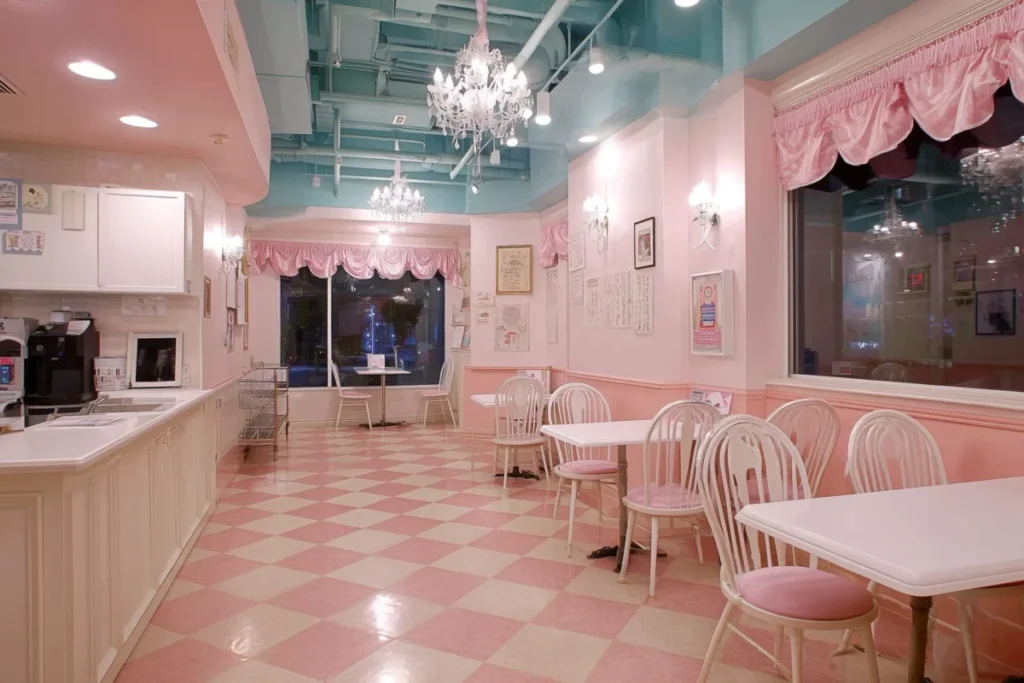
Japanese Maid Cafe Culture in Japan
Japanese maid cafe culture is part of Japan’s themed hospitality scene, where clear roles and rules shape the customer experience. Rather than focusing on romance, maid cafes emphasize service, performance, and atmosphere. This reflects a broader cultural preference in Japan for structured interactions that feel safe and predictable. Originally linked to niche subcultures, maid cafes have become mainstream attractions in major cities and are now enjoyed by both locals and international visitors.
Is a maid cafe part of anime culture?
Maid cafes are often associated with anime culture, but they are not limited to it. While the visual style may feel familiar to anime fans, the core experience is about hospitality and light entertainment. Many guests visit without any interest in anime, viewing maid cafes simply as a unique dining experience in Japan.
Japanese Maid Cafe in Tokyo: Where to Go
Tokyo is the easiest city for first-time visitors to experience a Japanese maid cafe. The city offers a wide range of cafés with clear systems, stable service quality, and environments that are generally friendly to international guests. Especially in central areas, maid cafes tend to explain rules clearly and follow consistent pricing, which helps reduce uncertainty for visitors. Choosing the right area in Tokyo can make a big difference in how comfortable and enjoyable the experience feels.
Popular maid cafe areas in Tokyo
The most well-known area for maid cafes in Tokyo is Akihabara, which is considered the center of maid cafe culture. Many major chains operate multiple locations there, and first-time visitors can find cafés with English menus and clear explanations.
Shinjuku also has maid cafes, often mixed in with nightlife districts. These locations are convenient for travelers staying nearby, but the atmosphere can feel more energetic, especially in the evening.
Ikebukuro offers a slightly different style, with some cafés focusing on a calmer or more niche audience. It can be a good option for visitors looking for a less crowded experience compared to Akihabara.
three well-known maid cafe chains in Tokyo
・CURE MAID CAFE official website
Japanese Maid Cafe Rules & Etiquette
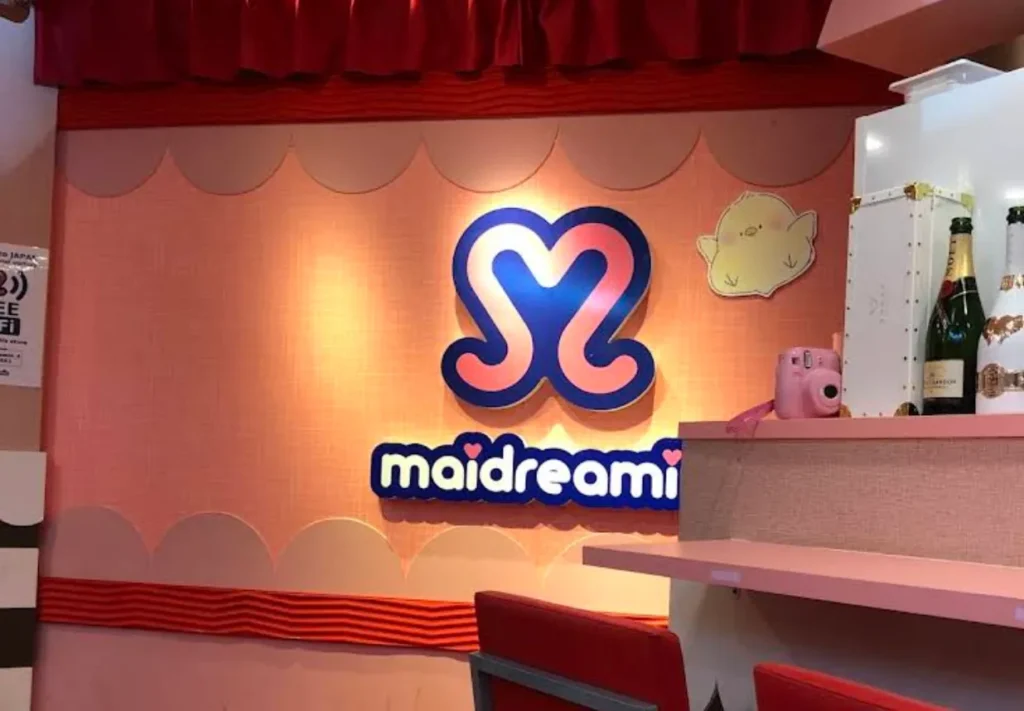
Japanese maid cafe rules are designed to create a safe and comfortable environment for both guests and staff. While the atmosphere may feel playful, maid cafes operate with clear guidelines that all visitors are expected to follow. Understanding these rules in advance helps first-time guests relax and enjoy the experience without confusion or discomfort.
What you are not allowed to do
At a Japanese maid cafe, guests are not allowed to touch the staff or ask for personal contact information. Photo and video recording is generally limited to food or drinks only. Taking photos or videos that include the maids is not allowed unless guests purchase a cheki photo or join an officially organized event. These rules apply equally to all guests and are clearly explained upon entry.
Why maid cafe rules are strict
Maid cafe rules exist to protect personal boundaries and maintain a respectful atmosphere. By keeping interactions structured and professional, maid cafes ensure that guests feel welcome while staff can work safely. This balance of playfulness and clear limits is a key reason why maid cafes in Japan are considered safe and approachable for tourists.
If you are still unsure about visiting a Japanese maid cafe, you do not have to decide on your own. Having a local guide explain the culture and rules in advance can make the experience much more comfortable.
Japanese Maid Cafe Menu & Food
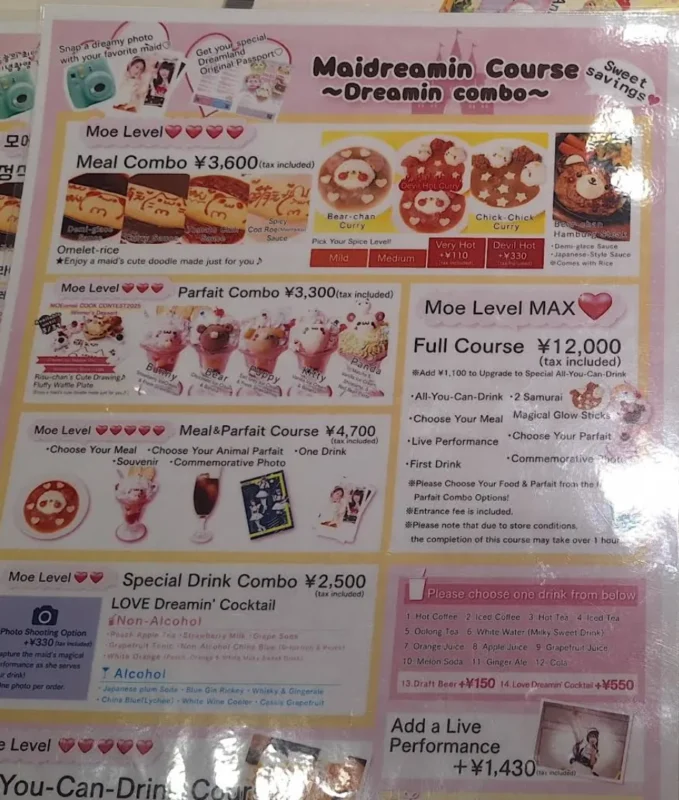
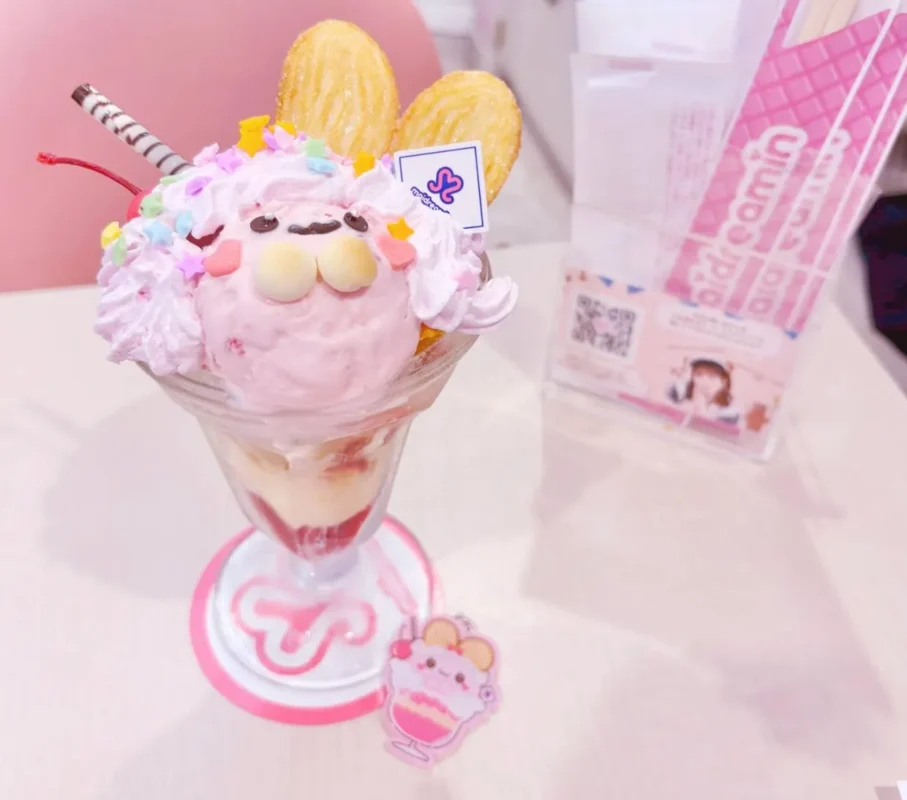
Japanese maid cafe menus focus on simple and familiar dishes rather than gourmet cuisine. Common items include omurice, curry rice, desserts with decorative drawings, and a variety of soft drinks. The food is designed to be fun and visually appealing, making it part of the overall experience. Prices are usually higher than a standard café, reflecting the themed service and interaction rather than the food itself.
Is there an English menu?
Yes. Many Japanese maid cafes, especially in Tokyo, provide English menus or picture-based menus to help international guests order easily. However, most conversations with the maids are conducted in Japanese. While basic English phrases may be used, visitors should not expect full English conversation, as communication is kept simple and structured.
Maid Cafe Outfits & Why They Matter
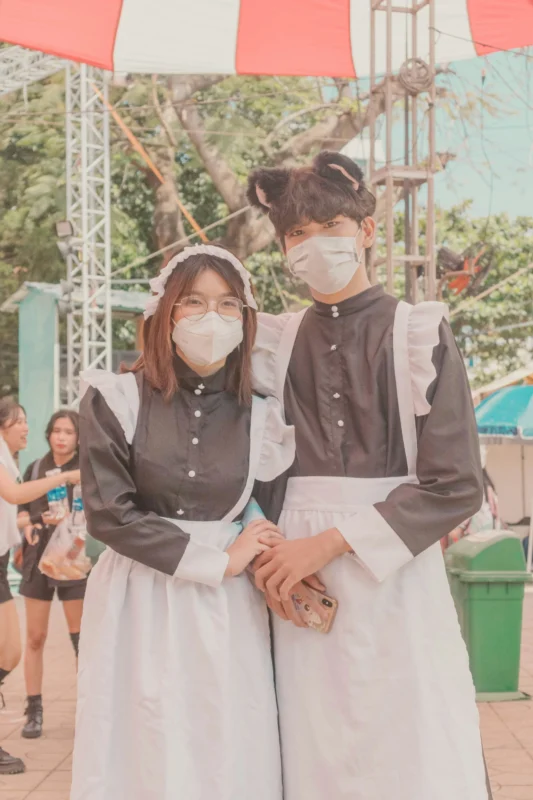
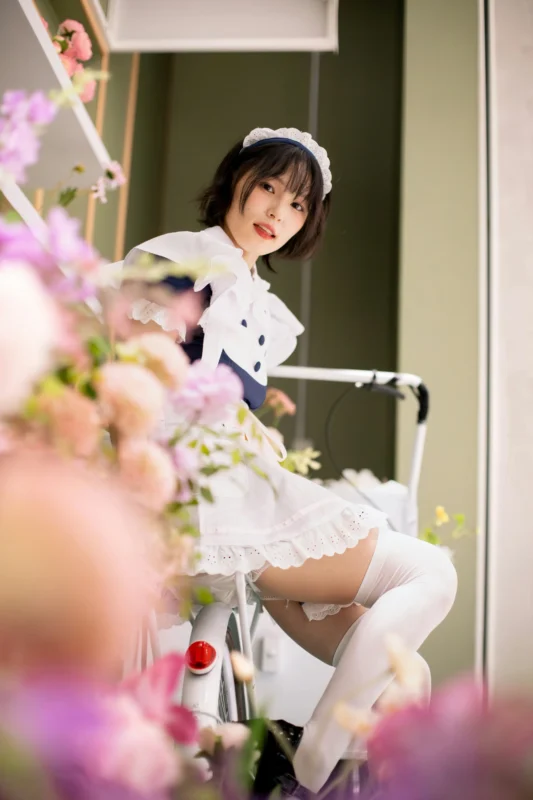
Maid cafe outfits play an important role in shaping the atmosphere of a Japanese maid cafe. The uniforms help clearly define the setting and signal that the experience is a form of themed hospitality rather than everyday dining. Each café designs its outfits to match its concept, which can range from classic styles to more playful designs. For guests, clothing is not a concern at all. Visitors can wear normal casual clothes, and in some cafés, guests may optionally try simple accessories such as cat ear headbands for fun. Participation is always optional and does not affect the overall experience.
Greetings and Interaction
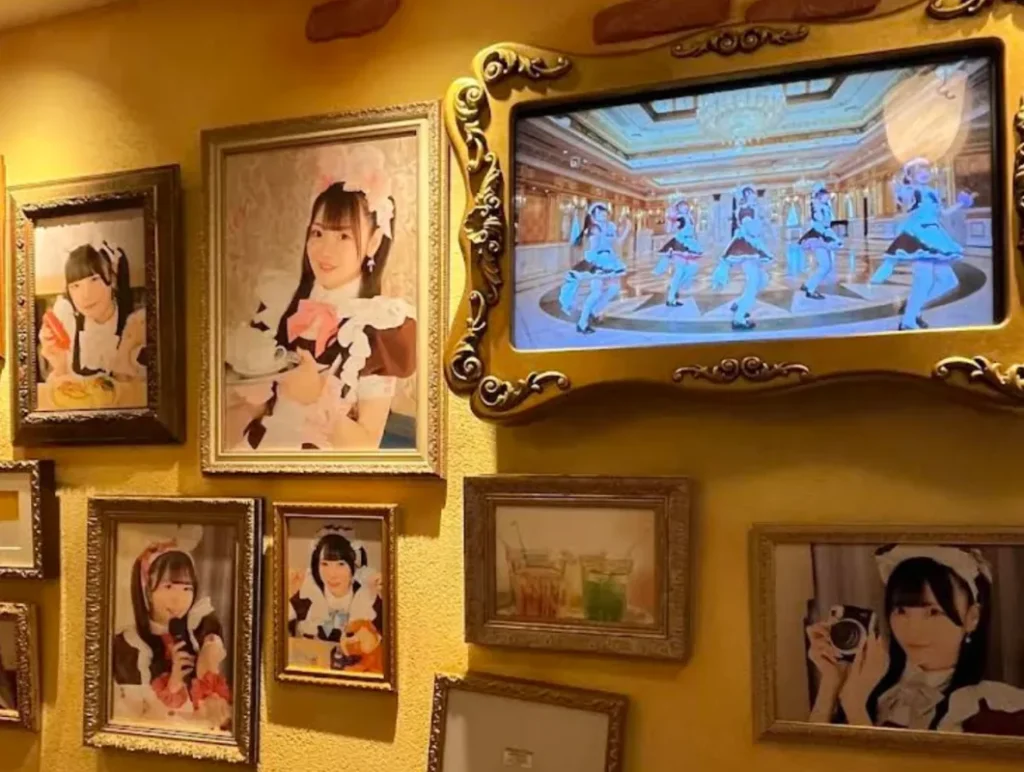
Greetings and simple “magic spells” are a playful part of the Japanese maid cafe experience. When food is served, maids may say short phrases or invite guests to repeat simple words together, sometimes including cute sounds such as “myao myao,” to add a sense of fun. These moments are designed to be lighthearted and brief, not exaggerated performances. Interaction is always structured and respectful, allowing guests to enjoy the atmosphere without feeling uncomfortable.
Do guests have to participate?
No. Guest participation is completely optional. Visitors can choose to quietly enjoy their food without joining any chants or greetings. Maid cafes are designed so that guests feel comfortable regardless of how much they wish to interact, making the experience approachable even for first-time visitors.
Are Japanese Maid Cafes Family-Friendly?
Many Japanese maid cafes are family-friendly, especially during daytime hours. They focus on light entertainment, themed dining, and polite interaction rather than adult content. For families traveling with children, visiting a well-known maid cafe in areas like Tokyo can be a comfortable and enjoyable experience. The structured rules and clear systems also help parents feel at ease, as behavior and interactions are carefully managed. In the evening, some maid cafes may shift to a more bar-like atmosphere, with different menus or events, making daytime visits the better option for families.
When maid cafes may not be suitable
Some maid cafes operate late at night or offer event-based performances that are intended for adults. In these cases, age restrictions may apply, or the atmosphere may be less suitable for children. To avoid surprises, families are encouraged to check the café’s official website for operating hours and age policies before visiting.
Final Thought
In my opinion, Japanese maid cafes are best understood as a form of structured hospitality rather than fantasy or romance. I think many misunderstandings come from assuming they are part of dating culture, when in reality they operate with clear rules, boundaries, and expectations. I feel that they also represent one unique cultural expression connected to anime and pop culture in Japan, where visual style and performance are blended into everyday dining. Once visitors understand how greetings, interaction, and etiquette work, the experience becomes much more comfortable and enjoyable. With the right expectations, a Japanese maid cafe can be a memorable and culturally interesting part of a trip to Japan, even for travelers who are not anime fans.
If you want to experience Japanese pop culture without awkward moments or misunderstandings, going with someone who understands both the culture and the expectations can help you enjoy it with confidence.
FAQ
Japan Family Trip Itinerary 7 Days: Tokyo, Kyoto & Osaka

How to Choose a Japan DMC: A Guide for Travel Agents

Educational Travel Japan: School Trips & Student Tours
Founder of Rental Japanese / Tokyo-based
Guided 500+ guests from more than 30 countries.
Specializes in customized private tours, local bar hopping, onsen experiences, and flexible Tokyo day trips with English support.
All information in this article is based on real on-the-ground guiding experience in Tokyo.