
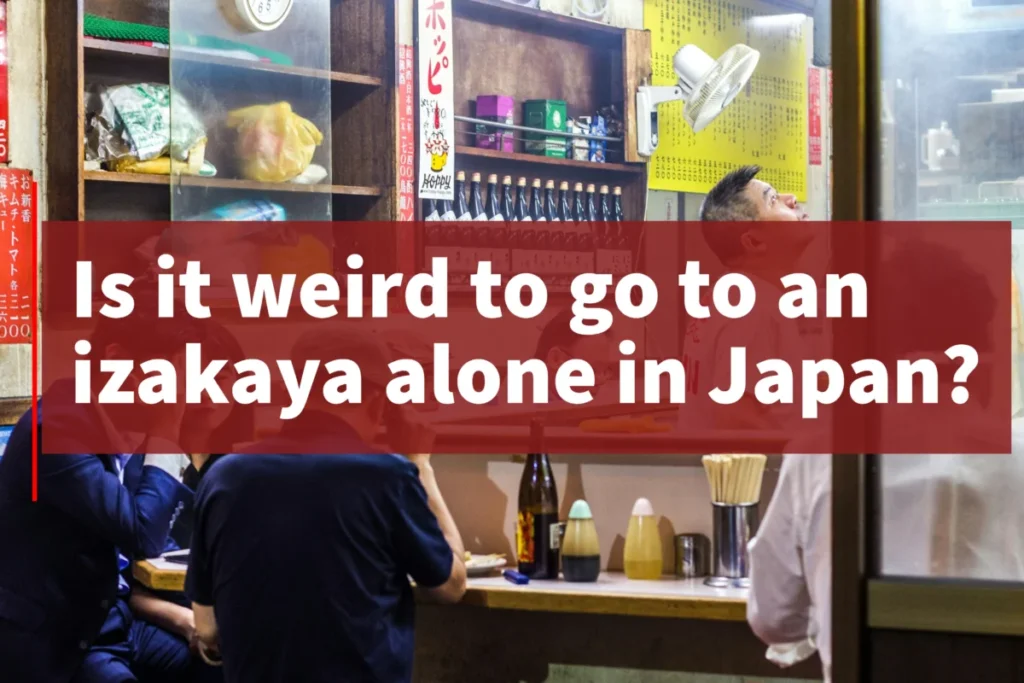
Traveling alone in Japan often raises quiet questions people hesitate to ask. One of the most common is whether going to an izakaya alone feels weird or uncomfortable. This uncertainty usually comes from not knowing what is normal rather than from actual social pressure.
In this article, you will learn whether solo visits to izakayas are common in Japan, how locals use these spaces, and why awkwardness can happen at first. You will also understand when going alone feels comfortable, how interactions usually work, and how to approach the experience with confidence.
- Is it actually weird to go to an izakaya alone in Japan?
- Do Japanese people go to izakayas alone?
- Why going alone can feel awkward for foreigners
- When it’s comfortable to go alone (and when it’s not)
- How to enter, order, and sit at an izakaya alone
- What to do if you still feel uncomfortable going alone
- Final thoughts: Going to an izakaya alone is more normal than you think
Is it actually weird to go to an izakaya alone in Japan?
Short answer: No.
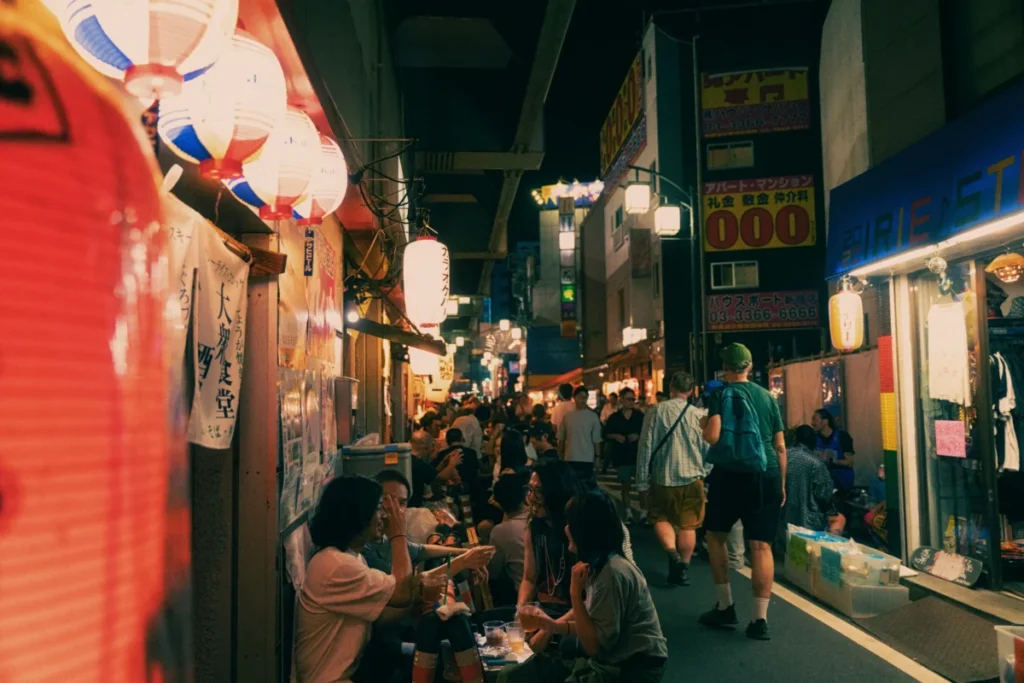
Going to an izakaya alone is completely normal in Japan. Many locals stop by after work to eat or drink by themselves, and izakayas are used to serving solo customers.
Counter seating is common, but many izakayas also have regular tables where solo guests are welcome. Staff are comfortable with one-person orders, and no one expects you to socialize. That said, in some places, especially small neighborhood izakayas, regulars may come partly for conversation. If it feels awkward at first, it is usually because the system is unfamiliar, not because going alone is strange.
Do Japanese people go to izakayas alone?
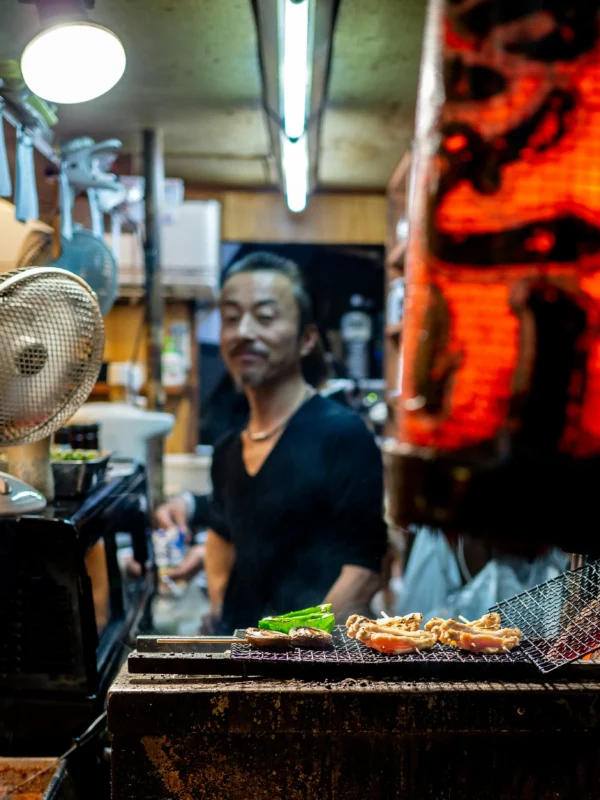
Yes, many Japanese people do go to izakayas alone. This is especially common among middle-aged and older locals who stop by after work or live nearby. For them, an izakaya is not only a place to eat and drink, but also part of their daily routine.
In local, independently owned izakayas, solo regulars are very common. These places often function as small community spaces, where customers know the staff and sometimes talk with each other. Going alone in this setting is normal and often intentional.
Why going alone can feel awkward for foreigners
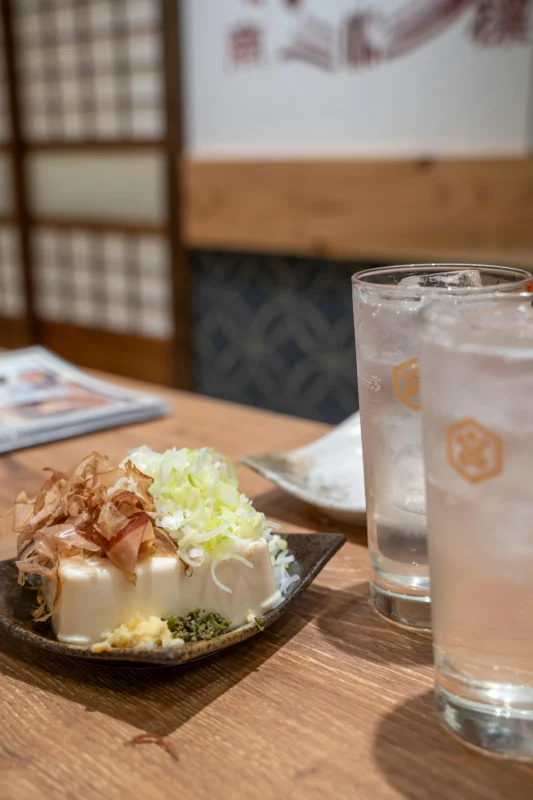
For many foreigners, going to an izakaya alone can feel awkward at first. Before conversation starts, Japanese people may appear reserved or distant, which can be easy to misread as unwelcoming. In reality, this is a common social pattern.
Once a conversation begins, however, interactions often become surprisingly warm and friendly. A small greeting or simple comment can lead to genuine conversation and a very local experience. Going with a Japanese person can make this even easier and often opens the door to deeper, more natural interactions.
If going alone still feels unfamiliar,
having a local Japanese guide can make the experience more comfortable.
When it’s comfortable to go alone (and when it’s not)
Going to an izakaya alone is usually most comfortable during weekday evenings or earlier hours, when many locals stop by on their own. Chain izakayas and places with counter seating tend to be especially solo-friendly and easy to enter.
During peak hours, the space can become busy and loud, making relaxed conversation more difficult. In very small neighborhood izakayas, the atmosphere may also feel more social among regulars. Choosing the right timing and type of izakaya can make the experience much more comfortable.
Best times to go to an izakaya alone
The best time to visit an izakaya alone is usually on weekday evenings or earlier hours, before the main dinner rush. Many locals stop by on their own after work, which makes solo visits feel natural and unremarkable.
Late nights can also work well, as the pace is often more relaxed once the crowd thins out. Avoiding peak hours allows you to order comfortably, observe how things work, and enjoy the atmosphere without feeling rushed.
Izakaya types that are easier for solo visitors
Chain izakayas are generally easy for solo visitors because the system is clear and staff are used to serving one person. They are a good starting point if you want something predictable and low pressure. However, they tend to offer a more standardized experience and less local interaction.
For a more local and personal experience, independently owned izakayas are often better. Many of these places regularly welcome solo customers and provide opportunities for natural conversation, especially at the counter.
When going alone can actually feel awkward
Going to an izakaya alone can feel awkward when you need to ask about the menu or what certain dishes are, especially in places without English support. These small moments of uncertainty can create silence that feels uncomfortable for solo visitors.
Finding a warm and friendly local izakaya is not always easy. However, places where the owner actively talks to customers are often very popular with Japanese locals as well. In these izakayas, conversation starts naturally, and those awkward pauses tend to be much less common.
How to enter, order, and sit at an izakaya alone
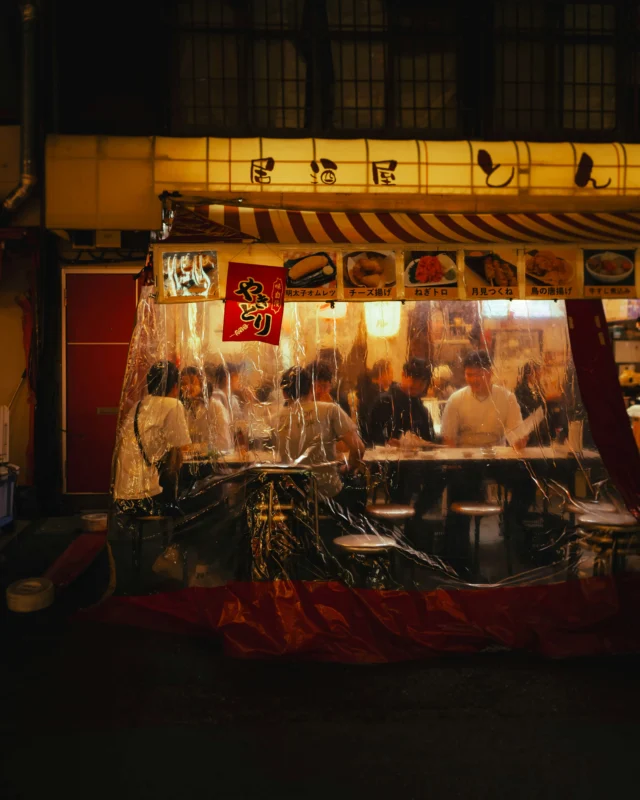
Understanding the basic flow of an izakaya makes going alone much more comfortable. Most confusion comes from small details like where to sit, how to order, or unexpected charges.
Once you know these basics, the experience becomes straightforward and stress-free. The rules are not strict, but they are different from what many visitors expect.
Do you seat yourself at an izakaya?
Whether you seat yourself at an izakaya depends on the place. In many izakayas, especially smaller or independently owned ones, staff will guide you to a seat. In more casual or chain izakayas, you may be asked to choose a seat yourself, particularly if counter seating is available.
If staff do not approach you right away, simply say that you are alone. Letting them know clearly that it is just one person makes it easier for them to guide you to an appropriate seat.
How to order food and drinks
Ordering at an izakaya is usually flexible. Some places use paper menus or tablets, while others rely on verbal orders. Starting with a drink is common, but not required. You can order food at your own pace, and it is normal to place multiple orders during your visit.
If the menu is unfamiliar, asking simple questions about dishes is acceptable, even if it feels awkward at first. Staff generally expect this from solo visitors and foreigners.
What to know about cover charges (otoshi)
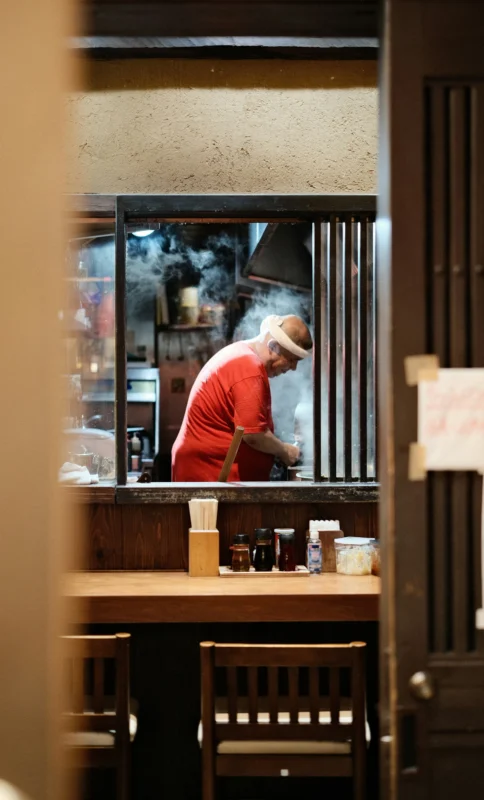
Many izakayas charge a small cover fee called otoshi. This usually includes a small appetizer served automatically when you sit down. The charge is per person and is standard practice, not a tourist fee.
The otoshi typically costs around 300 to 500 yen, depending on the place. It replaces a seating charge and is part of the izakaya system. While it can be surprising if you are not expecting it, it is normal and applies equally to locals and solo customers.
→Some izakayas charge a small cover fee called otoshi.
What to do if you still feel uncomfortable going alone
Feeling uncomfortable going alone is completely normal, especially on your first visit. You do not need to push yourself to enjoy the experience right away. Taking small steps is often the easiest way to feel more relaxed and confident.
Watching how locals order, sit, and interact can already make a big difference. Another simple option is to experience an izakaya with someone familiar with the culture, even if it is just once.
Going with a local (even just once)
Going to an izakaya with a local can quickly remove uncertainty. They can help with ordering, explain dishes, and read the atmosphere naturally. Even one visit like this often makes future solo visits feel much more comfortable, as you already understand how things work.
→why solo travel in Japan is worth it
Final thoughts: Going to an izakaya alone is more normal than you think
In my opinion, going to an izakaya alone feels intimidating mostly because the system is unfamiliar, not because it is socially strange. From what I see as a local, solo customers are very common, and no one pays much attention to whether you come alone or with others.
I think the key is not trying to do everything “right.” I feel that if you want a more local experience, visiting a small, independently owned izakaya is often the best choice. These places may seem intimidating at first, but they are where conversation and everyday local life naturally happen.
If you want a real local izakaya experience,
go with a Japanese local once.
FAQ
Japan Family Trip Itinerary 7 Days: Tokyo, Kyoto & Osaka

Is Kyoto Worth Visiting? An Honest Guide for Your Japan Trip

Japan Private Tour Guide Cost: How Much Is a Guide?
Founder of Rental Japanese / Tokyo-based
Guided 500+ guests from more than 30 countries.
Specializes in customized private tours, local bar hopping, onsen experiences, and flexible Tokyo day trips with English support.
All information in this article is based on real on-the-ground guiding experience in Tokyo.